Nasi lemak is Malaysia's national dish — and for good reason. Fragrant coconut rice (lemak means "rich" or "fatty" in Malay) cooked with pandan leaves and served with crispy ikan bilis (anchovies), roasted peanuts, hard-boiled egg, cucumber slices, and sambal — the chilli paste that makes or breaks every plate. Dubai has several restaurants doing this properly, and we've eaten our way through every single one.
What Makes Great Nasi Lemak?
The foundation of any great nasi lemak is the rice itself. This isn't ordinary white rice — it's cooked entirely in coconut milk, often with pandan leaves woven through for their distinctive fragrance and subtle sweetness. The best restaurants use fresh coconut milk, not canned, and the rice absorbs every drop, becoming creamy and flavourful rather than greasy. When you bite into a spoonful, the rice should release its subtle coconut aroma, almost perfumed. At Harummanis, their nasi lemak rice is legendary for this reason — each grain is separate, glossy, and infused with that unmistakable lemak richness.
But here's the truth: sambal is the soul of nasi lemak. This isn't just chilli paste — it's a carefully balanced condiment made with dried red chillies, shrimp paste (belacan), tamarind, garlic, and often a touch of sugar. The best sambal has heat that builds rather than attacks, a savoury umami depth from the belacan, and a subtle sweet-sour note from the tamarind that makes you want another spoonful. Many Dubai restaurants buy pre-made sambal, which shows instantly — it lacks complexity and personality. The restaurants that matter, like Padi Village and Nur Malaysia, make theirs fresh daily, and the difference is profound.
The condiments are equally non-negotiable. The ikan bilis (anchovies) must be fried crispy, not soggy — they should shatter between your teeth rather than chew. Roasted peanuts shouldn't be store-bought snacks; they're ground fresh or at least fried to order, lending a nutty sweetness. The hard-boiled egg is simple but essential — it adds richness and protein. Fresh cucumber slices provide cooling contrast to the heat and richness. These aren't toppings; they're architecture.
The protein add-ons are where nasi lemak transcends from breakfast fuel to celebration. Ayam goreng (fried chicken), rendang tok (slow-cooked beef in coconut and spice), or curry chicken elevate the dish from good to unforgettable. A proper ayam goreng is crispy outside, juicy inside, and seasoned right through — not just fried and salted. At Harummanis, their rendang is made in small batches and tastes like someone's grandmother is cooking in the back. This is why people come back.
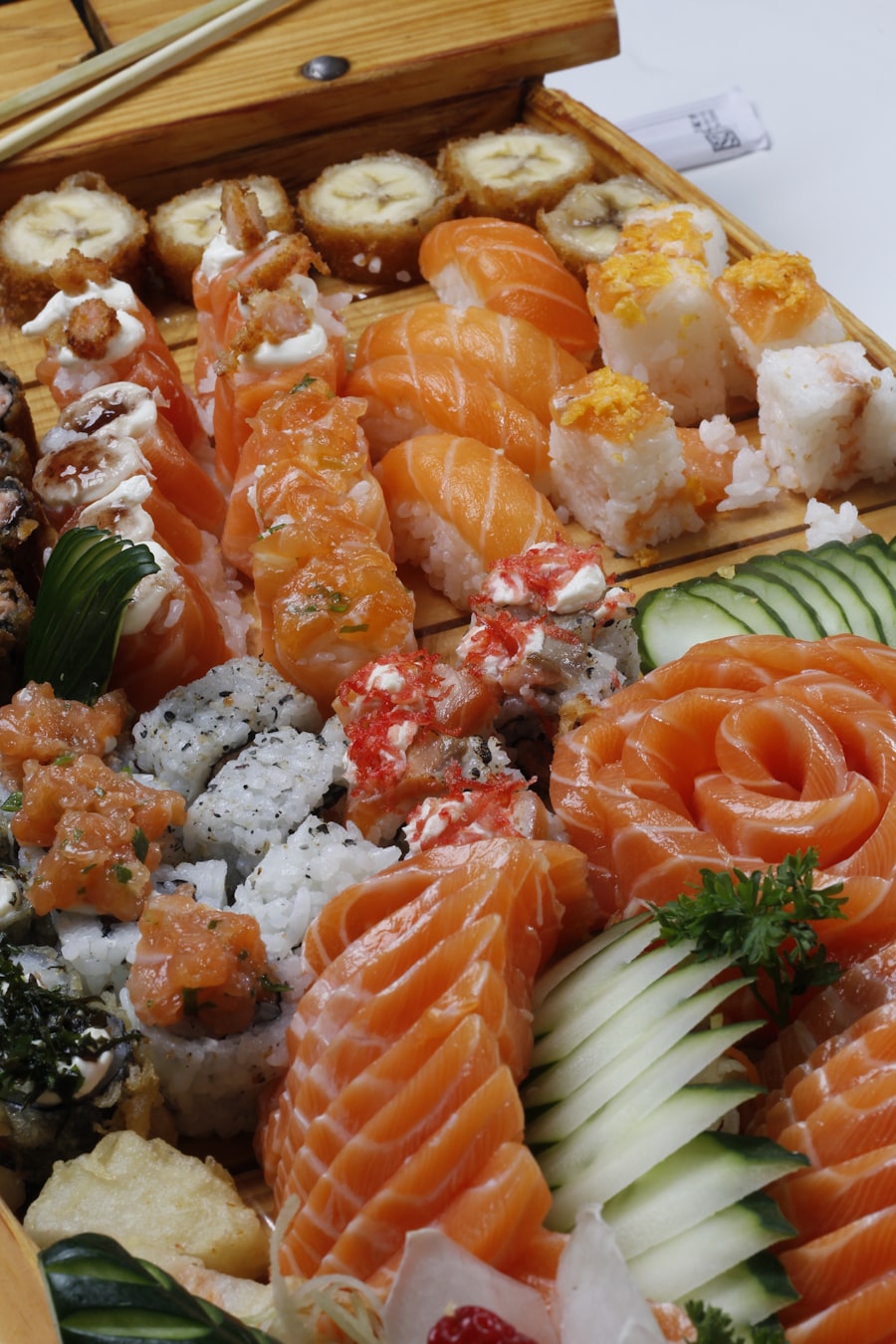
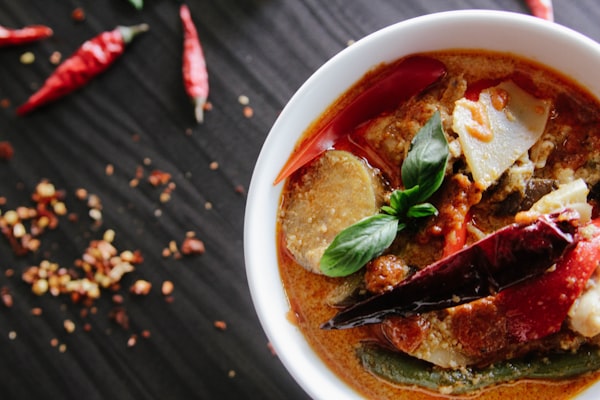
A complete nasi lemak spread with sambal, anchovies, peanuts, egg and ayam goreng
Nasi Lemak Styles — What to Know
Nasi lemak isn't one-size-fits-all. Depending on where you eat it in Malaysia — or Dubai — you'll encounter different presentations and flavour profiles. Understanding these styles helps you order with intention.
Kampung Style
Traditional village-style
Served on banana leaf, kept deliberately simple — sambal, ikan bilis, and peanuts only, no protein add-ons. This is the authentic breakfast format eaten in Malaysian villages for generations. The banana leaf adds its own subtle flavour and presentation authenticity. Found at Mamak Dubai and Warung Orang Kita.
Nasi Lemak Set
Restaurant style
Plated elegantly on a round plate with sambal in a separate small bowl, protein add-ons arranged thoughtfully, and a more refined overall presentation. This is what you'll find at upscale restaurants like Harummanis and Tangerine — elevated without losing authenticity.
Nasi Lemak Bungkus
Wrapped takeaway
Traditionally wrapped in banana leaf (bungkus means "wrap"), this is the grab-and-go format. Some Dubai restaurants like Padi Village and Nur Malaysia offer this on weekends — it's nostalgic and portable, perfect for eating at home or in a park.
Top 6 Places for Nasi Lemak in Dubai
We've tested every nasi lemak restaurant we can find across Dubai. Here are the ones that matter — ranked by rice quality, sambal authenticity, and overall execution.
Harummanis — The Best Nasi Lemak in Dubai
EDITOR'S #1 PICKLocation: Wasl 51, Al Quoz
Harummanis isn't just serving nasi lemak — they're honouring it. The rice is cooked fresh in genuine coconut milk with pandan and serai (lemongrass), and it shows in every bite. The grains are separate and glossy, the aroma is intoxicating, and the richness is balanced, never greasy.
The sambal is made fresh daily in-house, with proper belacan (shrimp paste) giving it real depth. You can taste the tamarind's sourness, the chilli's heat, and a subtle sweetness that makes it addictive. It's the sambal you dream about when you leave.
The full set comes with ikan bilis that shatters when you bite it, roasted peanuts that taste like someone spent time on them, and options to add beef rendang or ayam goreng. The rendang is cooked in small batches and tastes like grandmother-cooking. This is the reason people make the journey to Wasl 51.
Must Order:
Nasi Lemak Set (AED 65) — add Beef Rendang (AED 85 extra) for the full experience. The Coconut Drink (AED 22) pairs perfectly.
Best time: Lunch 12–2pm or Dinner 7–9pm | Walk-ins welcome
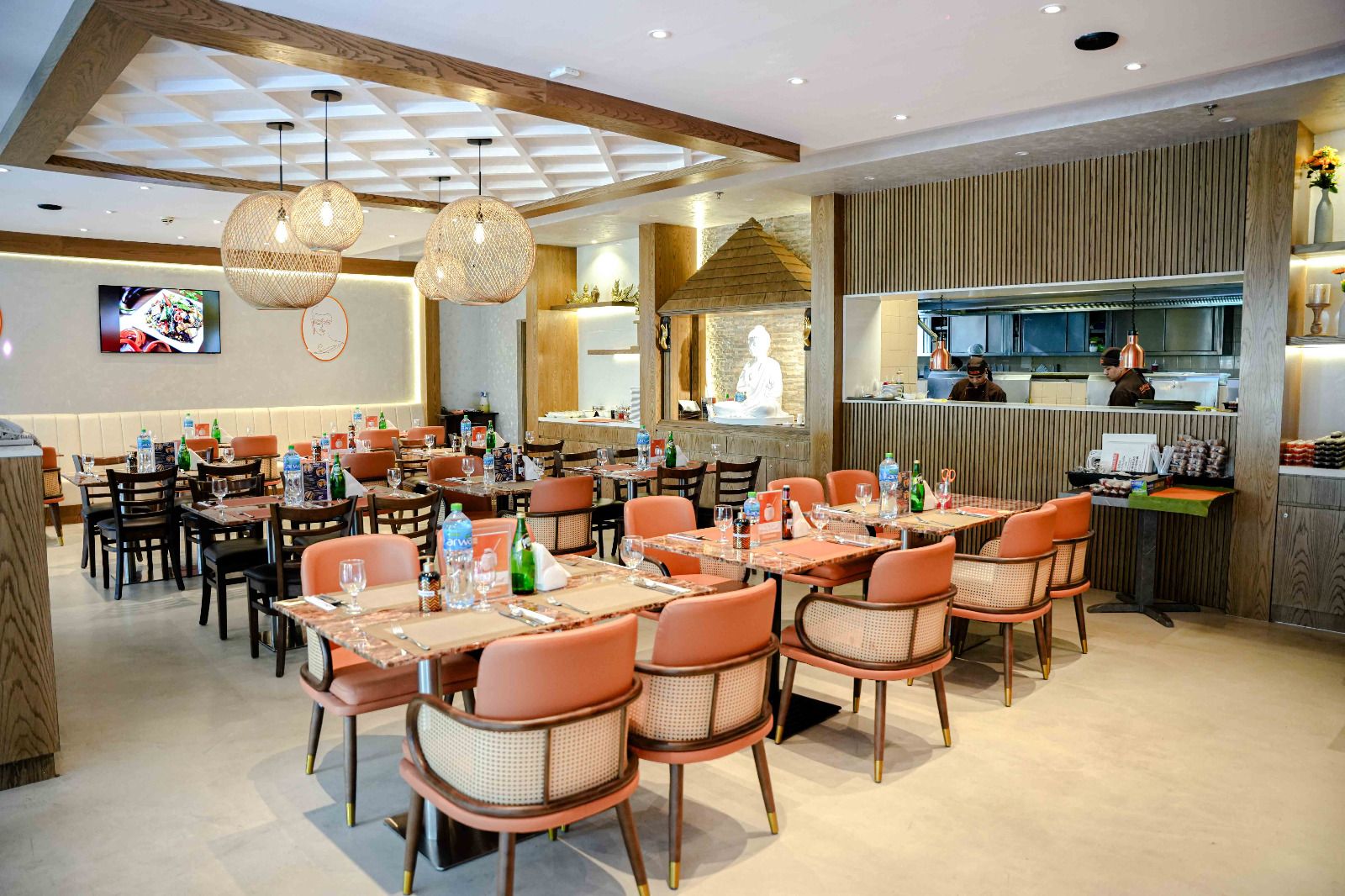
Tangerine Restaurant — Most Popular
MOST POPULARLocation: Business Bay
Tangerine has mastered consistency. Every plate of nasi lemak that leaves their kitchen is executed with the same care: proper coconut rice, sambal with real heat and depth, and components that never disappoint. The restaurant is always busy — not by accident, but because they do the fundamentals correctly.
The rice here is creamy and well-seasoned, the sambal has character without being overwhelming, and the presentation is refined without pretension. This is nasi lemak for everyone — whether you're new to the dish or a purist.
They're also on Talabat and Deliveroo, so you can get proper nasi lemak delivered to your home, which is rare in Dubai. The consistency translates well to delivery, making this a reliable go-to option.
Must Order:
Nasi Lemak (AED 58) — pair with Teh Tarik (AED 18), the classic Malaysian pulled tea. It's the complete experience.
Available on delivery platforms | Dine-in: Lunch & dinner daily
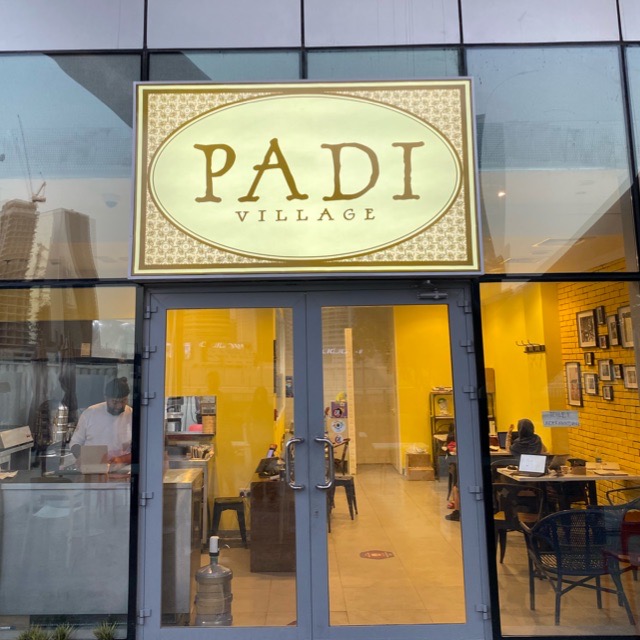
Padi Village — Best for Authenticity
MOST AUTHENTICLocation: Al Barsha
Padi Village brings Malaysian home cooking to Dubai. Everything is made in small batches — sambal is pounded fresh, rice is cooked to order, and the overall feel is intimate and genuine. There's no attempt at modern plating; the focus is purely on flavour and authenticity.
Their sambal has the character of someone's family recipe — it's complex, with layers of heat and umami that unfold as you eat. The rice is properly creamy, and the accompaniments are simple but excellent. This is nasi lemak as it's meant to be — unadorned, honest, and delicious.
Padi Village also occasionally offers nasi lemak bungkus (wrapped in banana leaf) on weekends, which is the most authentic format available in Dubai. If you can catch it, order it.
Must Order:
Nasi Lemak Set (AED 52) — choose Rendang Tok or fried egg. The Teh Tarik (AED 15) is made properly, not rushed.
Lunch & dinner daily | Weekend nasi lemak bungkus 11am–3pm
Nur Malaysia — Best Value
BEST VALUELocation: Oud Metha
For AED 38, Nur Malaysia serves a proper nasi lemak set that doesn't compromise. The rice is cooked right, the sambal is made in-house, and the condiments are fresh. You're not paying for fancy presentation — you're paying for honest, good food.
This is the nasi lemak you eat daily if you lived in Dubai's Malaysian community. It goes fast at lunch, especially around noon when locals come in for their fix. There's no pretension, just solid cooking at a price that respects your wallet.
The value here is genuinely exceptional. You could spend three times as much elsewhere and not eat better food — just different presentation and atmosphere.
Must Order:
Nasi Lemak Set (AED 38) with chicken or egg. Arrive at lunch before 1pm to guarantee availability — it sells out.
Best time: Lunch 11:30am–1:30pm | Dinner available but lunch is where it shines
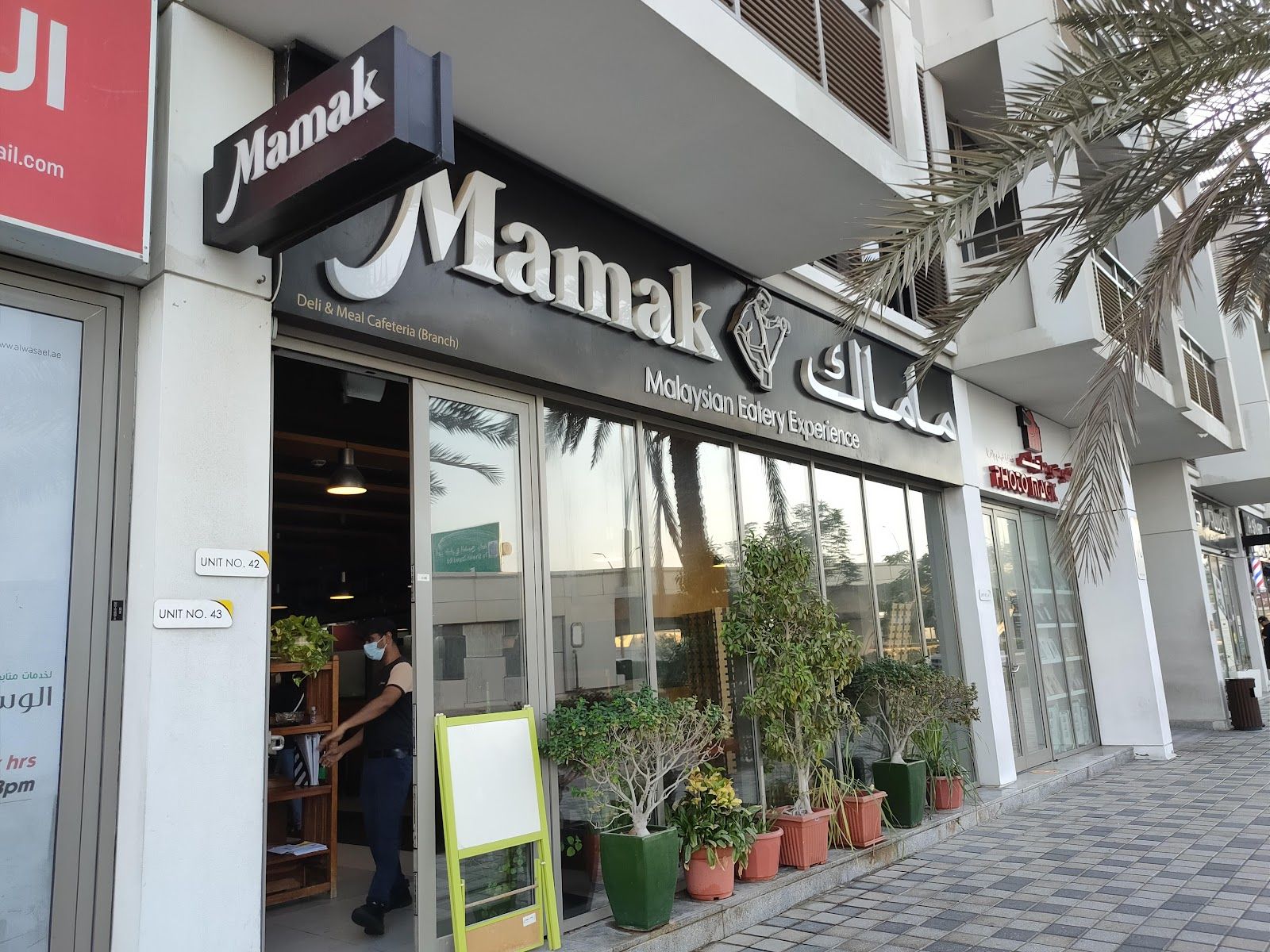
Mamak Dubai — Best Kampung Style
BEST KAMPUNG STYLELocation: Al Karama
Mamak Dubai brings the kampung (village) experience to life. The nasi lemak here is deliberately kept simple — served on banana leaf, with sambal, ikan bilis, peanuts, and egg. No fancy additions, no overthinking. This is breakfast in a Malaysian village, translated faithfully to Dubai.
The authenticity is refreshing. You won't find the elevated plating or protein add-ons here — just the pure, unadulterated dish as it's been eaten for generations. The sambal is straightforward and spicy, the rice is good, and the entire experience is about connection to tradition.
This is where you eat if you want to feel the roots of the dish, not just the refined version. Mamak's setting and approach complete the experience.
Must Order:
Nasi Lemak Kampung (AED 32) — this is it, unadorned and authentic. The simplicity is the point.
Breakfast & lunch, 7am–3pm | Most authentic in early morning
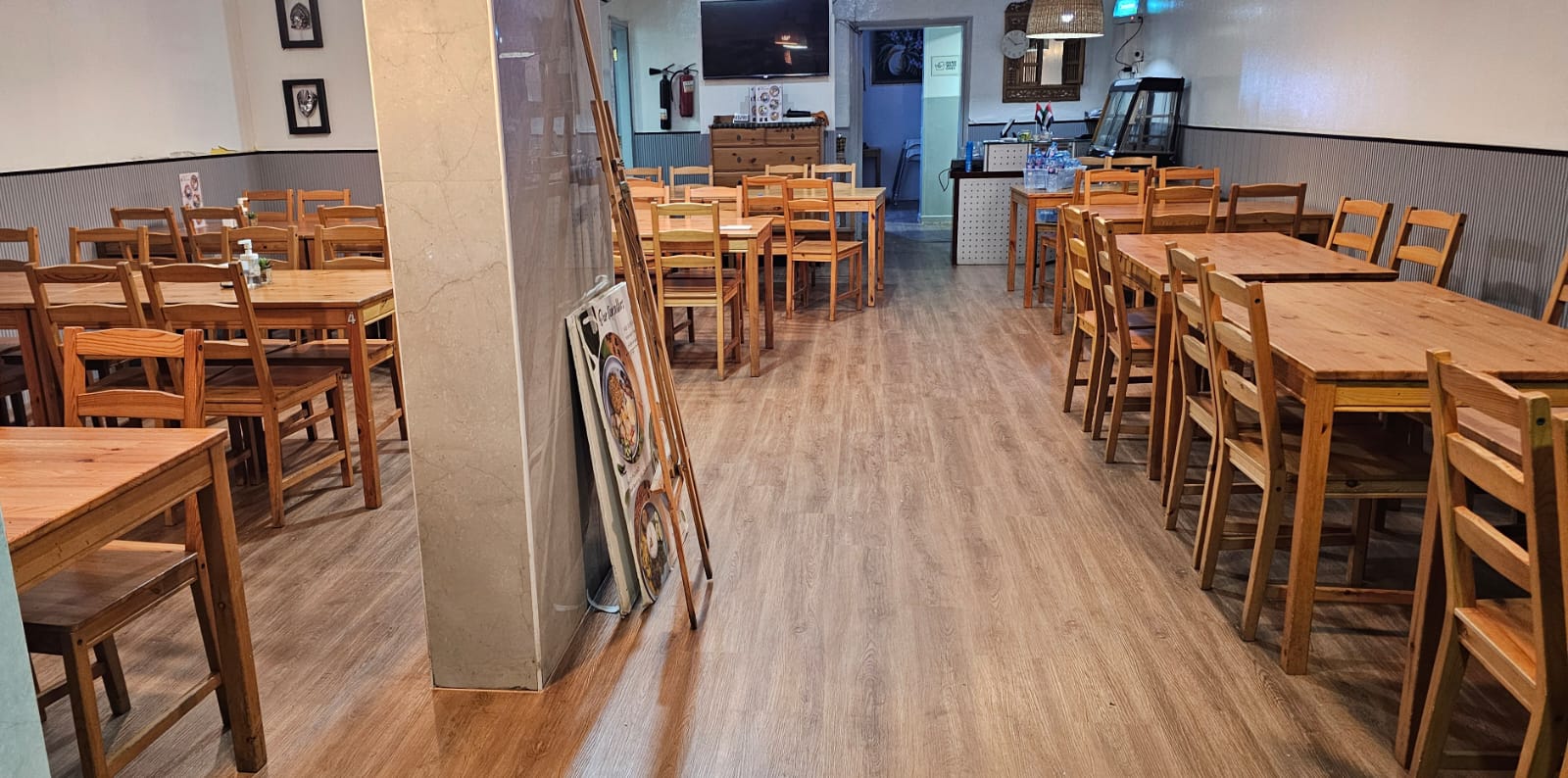
Warung Orang Kita — Hidden Gem
HIDDEN GEMLocation: Al Karama
Warung Orang Kita (which means "Our Stall" in Malay) is a small, unpretentious spot run by people who genuinely care about food. The nasi lemak here has a home-cooking feel — the kind of food you'd be served if you were invited to a Malaysian family's table. There's a rotating daily special board, and the atmosphere is pure community.
The rice is always good, the sambal reflects whoever's cooking that day (which means it varies, but it's always real), and the overall vibe is welcoming and unpretentious. There's no menu flourish — you order what's available, and you eat what's good.
This is the spot where actual Malaysians eat. It's not tourist-friendly in presentation, but it's honest in spirit. If you want authentic, this deserves your attention.
Must Order:
Nasi Lemak (AED 30–35) — ask what's good today. The daily specials are often superior to the standard menu.
Lunch daily, 11am–3pm | Dinner service varies
Nasi Lemak Price Comparison
| Restaurant | Price (AED) | Rice Type | Sambal Style | Protein Options | Rating |
|---|---|---|---|---|---|
| Harummanis | 65 | Fresh coconut + pandan | Made daily | Rendang/Ayam Goreng | ★★★★★ |
| Tangerine | 58 | Coconut milk | House sambal | Chicken/Egg | ★★★★★ |
| Padi Village | 52 | Traditional | Kampung-style | Rendang Tok/Egg | ★★★★★ |
| Nur Malaysia | 38 | Standard | Good value | Chicken/Egg | ★★★★☆ |
| Mamak Dubai | 32 | Simple | Mamak-style | Egg only | ★★★★☆ |
| Warung Orang Kita | 32 | Home-style | Family recipe | Varies daily | ★★★★☆ |
How to Order Nasi Lemak Like a Local
5 Insider Ordering Tips
- Ask if the sambal is made fresh that day. Good restaurants will say yes with pride. Pre-made sambal is a red flag — it never tastes right.
- Ikan bilis should be crispy, not soggy. Send it back if the anchovies are soft. They should shatter when you bite them, not chew.
- Protein add-ons are worth it. The difference between plain nasi lemak and nasi lemak with rendang or ayam goreng is the difference between breakfast and celebration. Spend the extra money.
- Eat it with your hands if the restaurant provides banana leaf. It sounds simple, but eating directly off banana leaf makes the experience taste different — and better. This is how it's meant to be eaten.
- Pair with teh tarik (pulled tea with condensed milk). This is the classic combination that makes the entire meal sing. The sweetness of the tea balances the heat and richness of the dish perfectly.

Frequently Asked Questions
Related Articles