Dubai has one of the world's largest Nepali communities outside South Asia — over 100,000 Nepali residents, primarily working in construction, hospitality, and security. Where there is a large community, there is real food: and Nepalese restaurants in Dubai serve momos, dal bhat, thukpa soup, and gundruk with the confidence of cooking for people who know exactly what they should taste like. This guide covers everything: what Nepalese cuisine is, the dishes you must try, and the restaurants where you'll find them.
What Is Nepalese Cuisine?
Nepalese food sits at a fascinating crossroads between the Indian subcontinent to the south and Tibet/China to the north. It's not Indian food — though it shares some spices — and it's not Tibetan food, though dumplings and noodle soups feature prominently. Nepalese cuisine is its own tradition: grain-centred, fermentation-forward, less oil-heavy than North Indian cooking, and profoundly shaped by geography.
The mountains dictate what grows, what's preserved, and how food is cooked. Fermented vegetables (gundruk, sinki) are critical staples that preserve nutrition through long winters. Tsampa (roasted barley flour) is a Himalayan energy food. Timur — the Nepalese name for Sichuan pepper — gives many dishes a distinctive lip-numbing heat that's completely unlike chilli heat. And dal bhat — lentil soup with rice — eaten twice a day by most Nepalis, is the culinary foundation of an entire nation.
The Must-Try Dishes
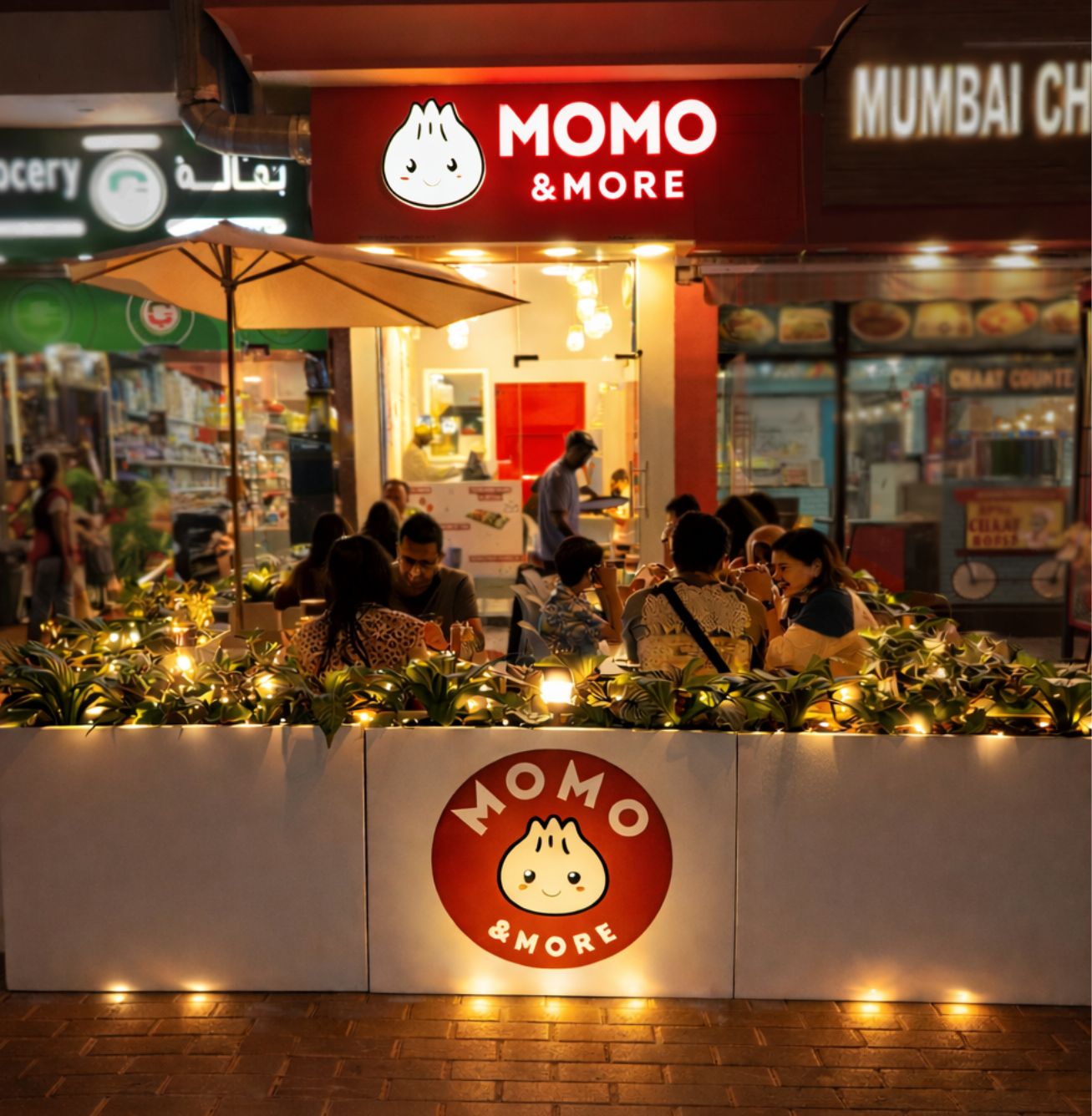
Momos
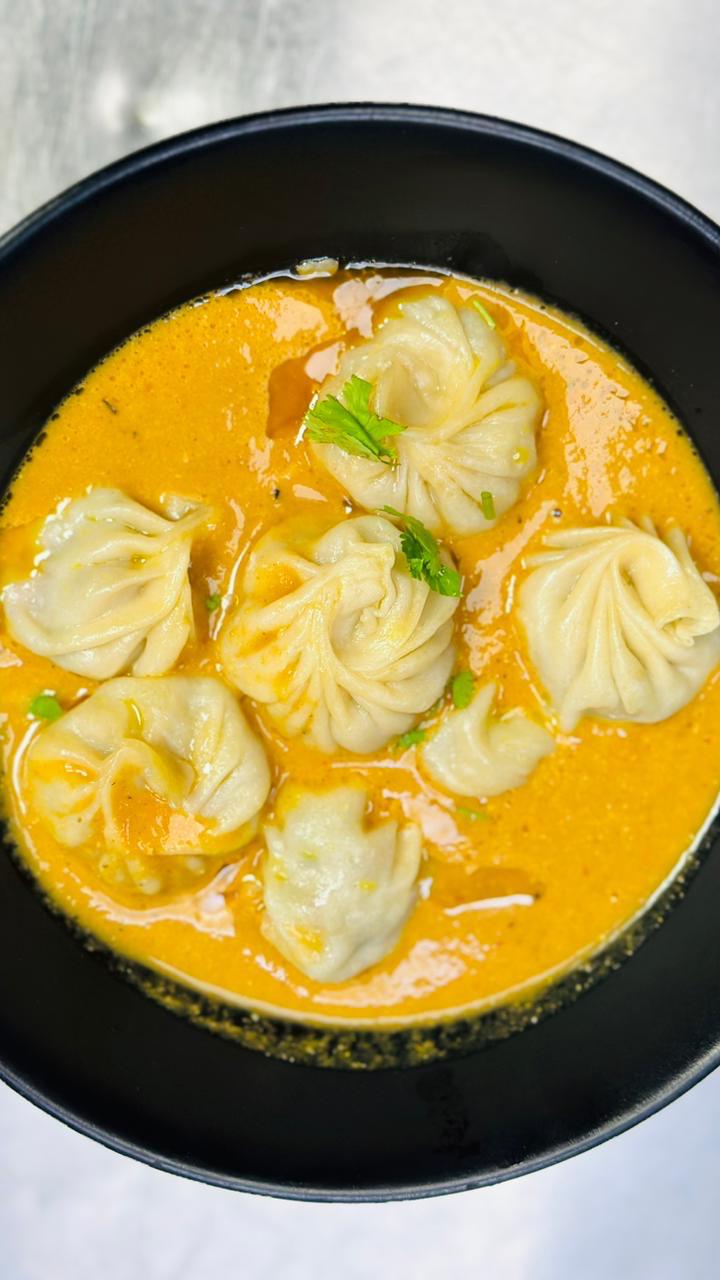
Himalayan steamed or fried dumplings filled with minced meat or vegetables, served with fiery achar sauce. The Nepali answer to dim sum — and just as addictive. AED 18–35 for 8–10 pieces.
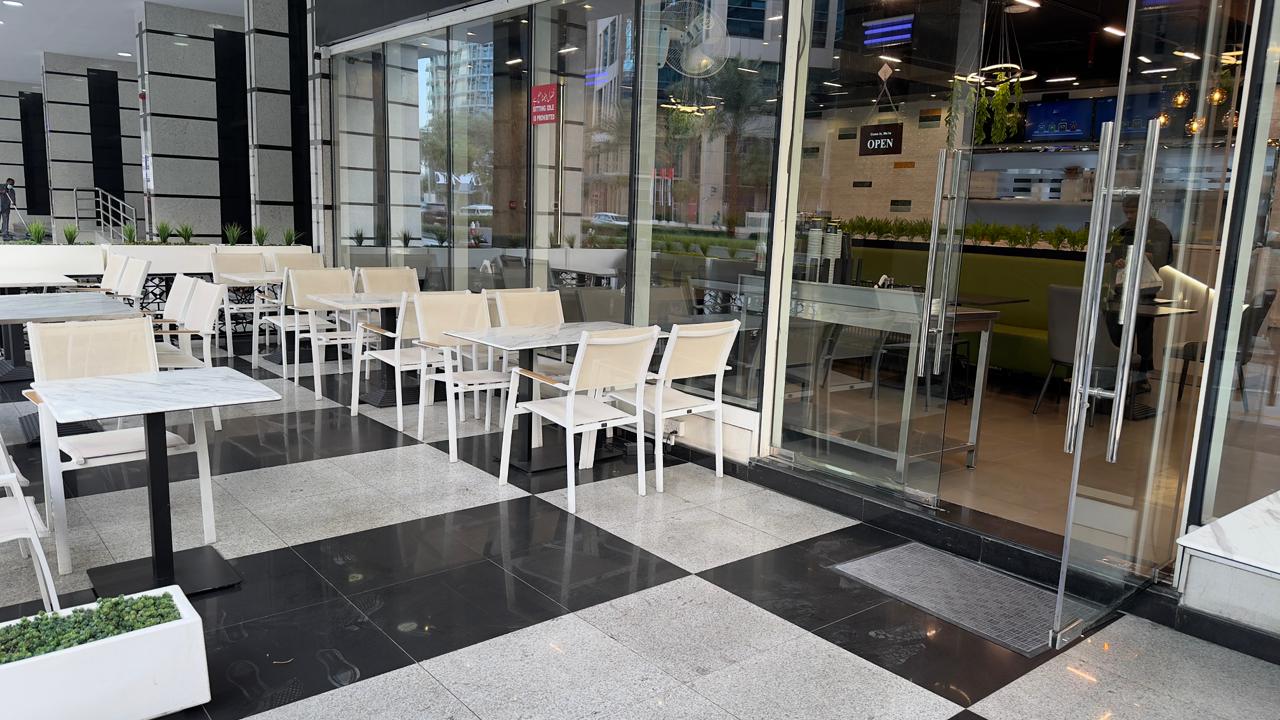
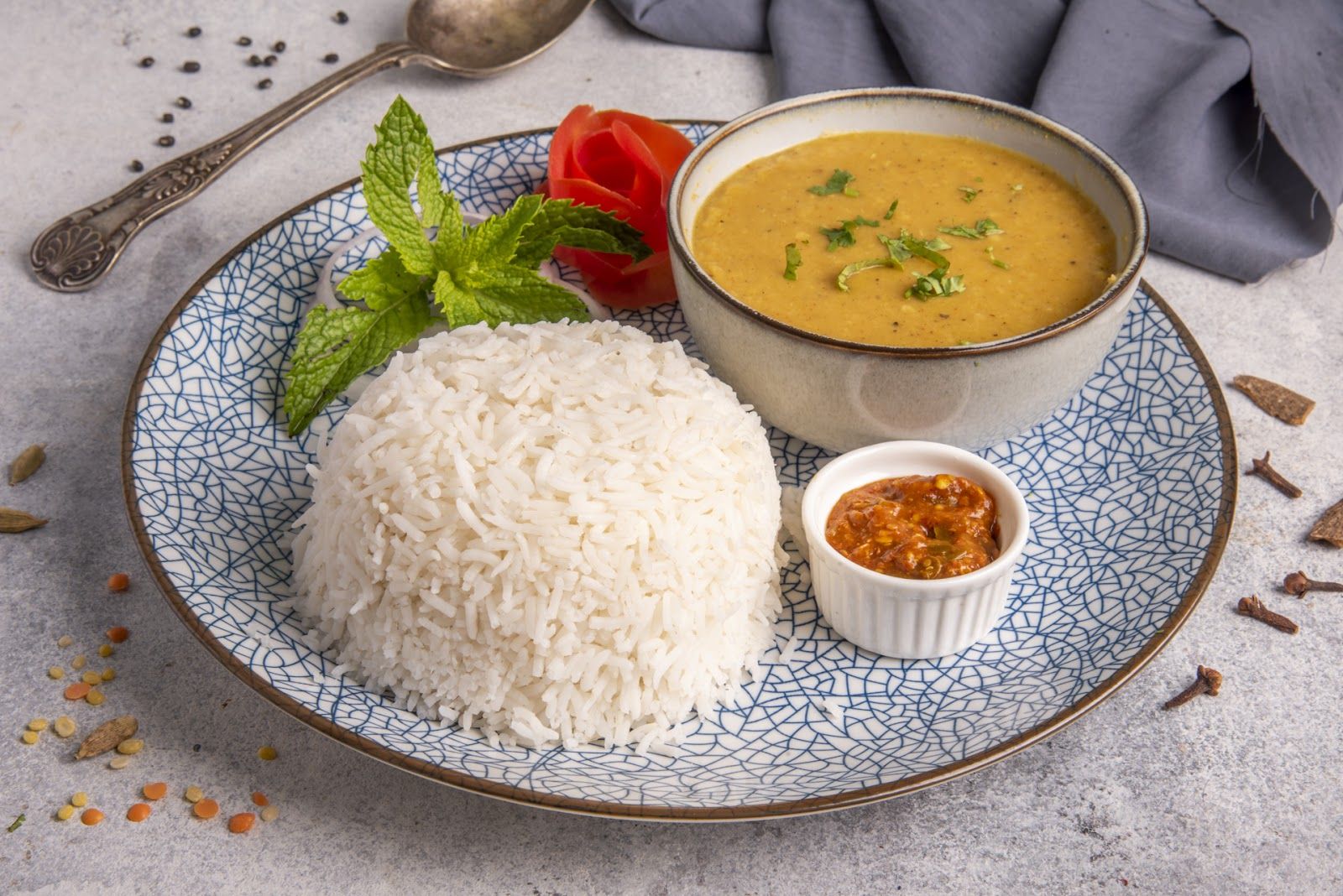
Dal Bhat
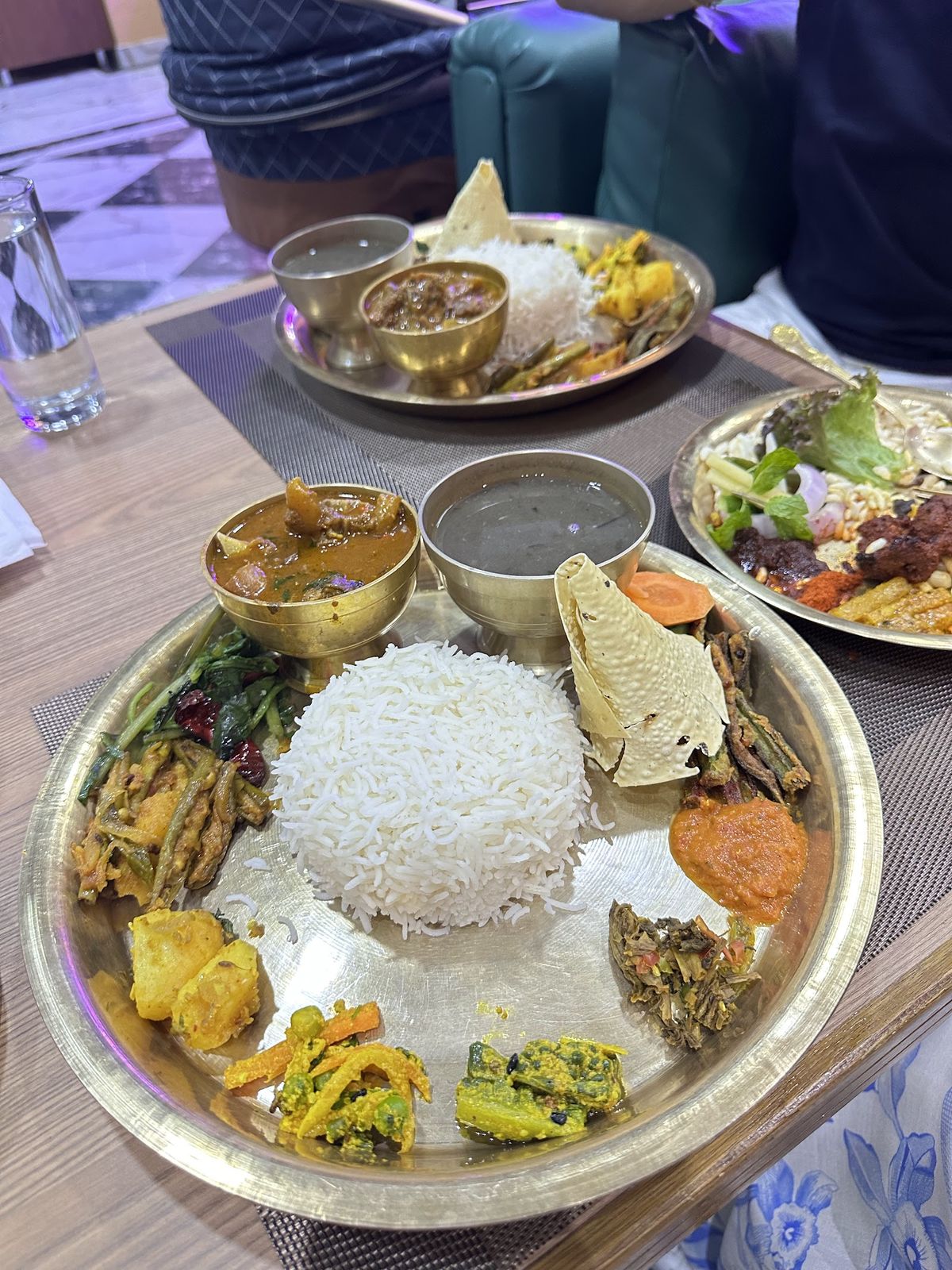
Lentil soup (dal) with steamed rice (bhat), vegetable curry, and pickles. Nepal's national dish — eaten twice daily. Deceptively simple, deeply satisfying. AED 20–40 for a full set.
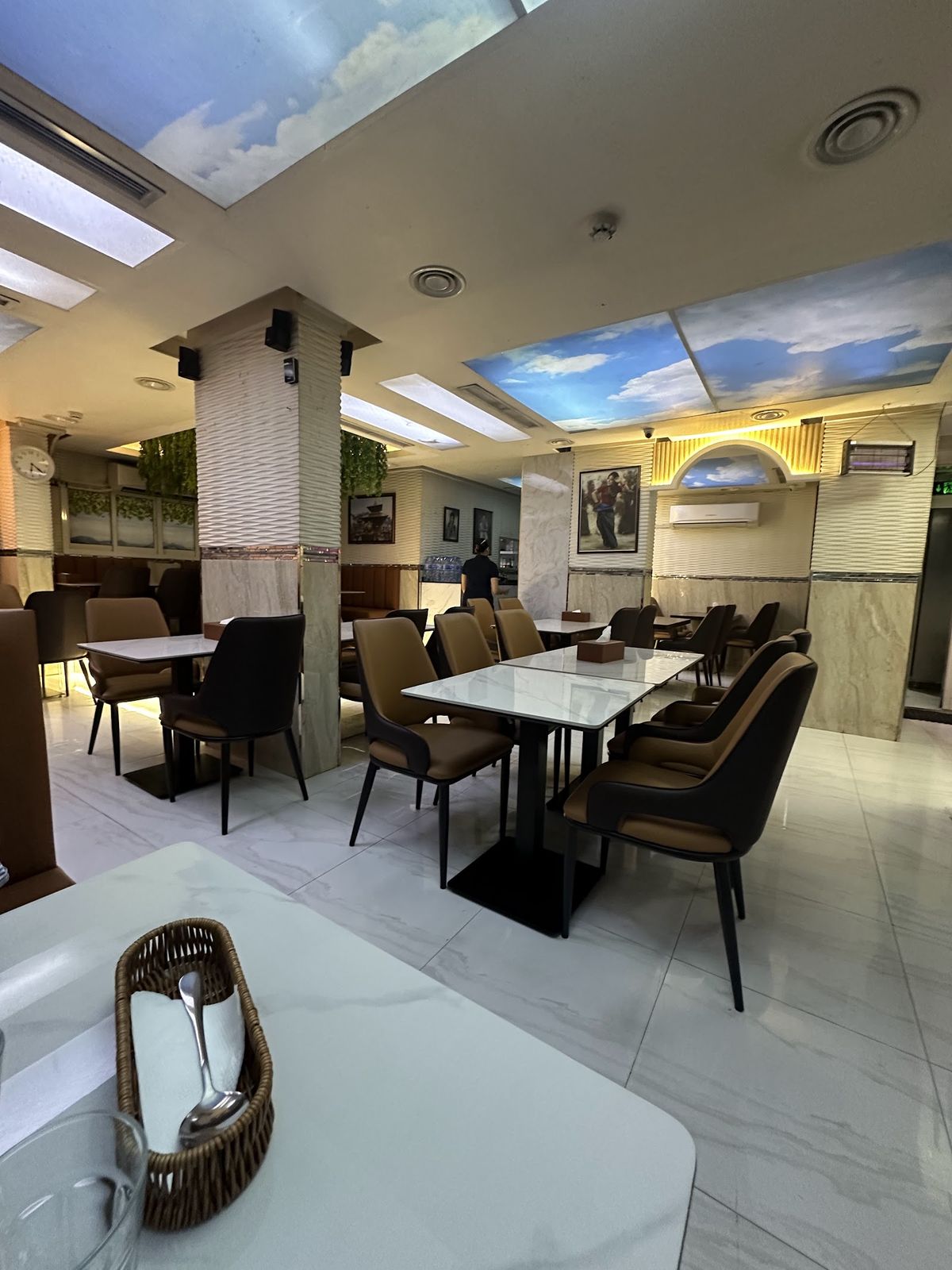
Thukpa
Tibetan/Nepali noodle soup with thick hand-pulled noodles, meat or vegetables, in a warming aromatic broth. Perfect for Dubai's rare cold months. AED 22–42 per bowl.

Gundruk
Fermented leafy greens — mustard leaves or radish tops dried and fermented. Intensely flavoured, tangy, nutritious. The most distinctively Nepalese ingredient, unavailable elsewhere in Dubai.
Sekuwa
Nepali-style grilled/smoked meat — chicken, mutton, or buff (buffalo) marinated with spices and cooked over coals. The Nepali barbecue tradition. AED 35–65.
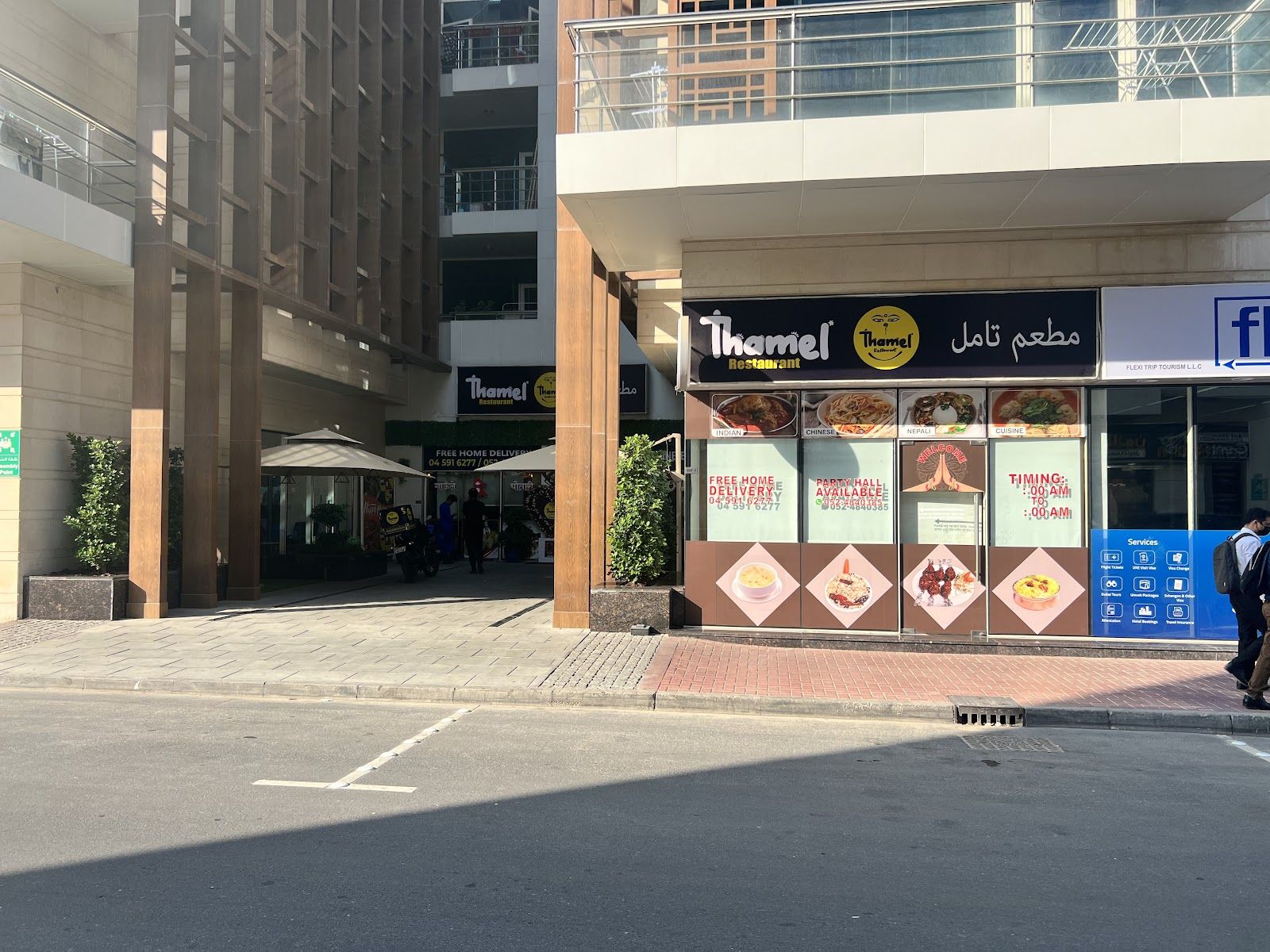
Sel Roti
Ring-shaped fried rice bread — crispy outside, chewy inside — eaten at festivals and special occasions. Mildly sweet, best with chai. Difficult to find in Dubai outside dedicated Nepali restaurants.
Best Nepalese Restaurants in Dubai
Dubai's Nepalese restaurant scene is smaller than its community size suggests — many Nepali residents eat at home or at South Asian restaurants that serve Nepalese-adjacent food. But several dedicated Nepalese and Himalayan restaurants exist, and they're worth seeking out.
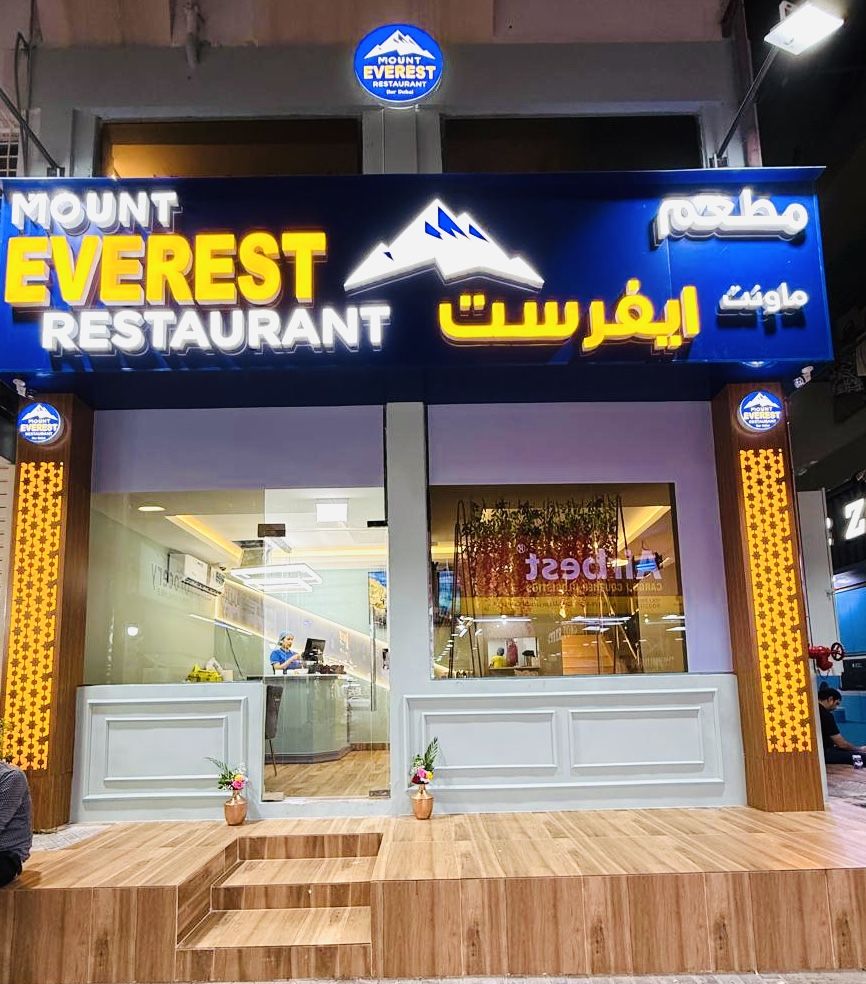
Everest Kitchen — Bur Dubai
The most complete Nepalese restaurant in Dubai. Everest Kitchen serves a menu that covers the full range of Nepali cooking — momos (steamed, fried, and kothey pan-fried), dal bhat sets, thukpa, sekuwa, and gundruk dishes that prove the kitchen knows its fermentation. The momos here are made fresh throughout the day and the achar dipping sauce has real fire.
The dal bhat set (AED 38) includes dal, rice, two vegetable sides, achar, and papad — a genuinely filling meal that's the best-value lunch in the area. Weekend evenings bring live Nepali folk music. Service is warm and unrushed. Located in the heart of Bur Dubai where the Nepali community is concentrated.
What to Order
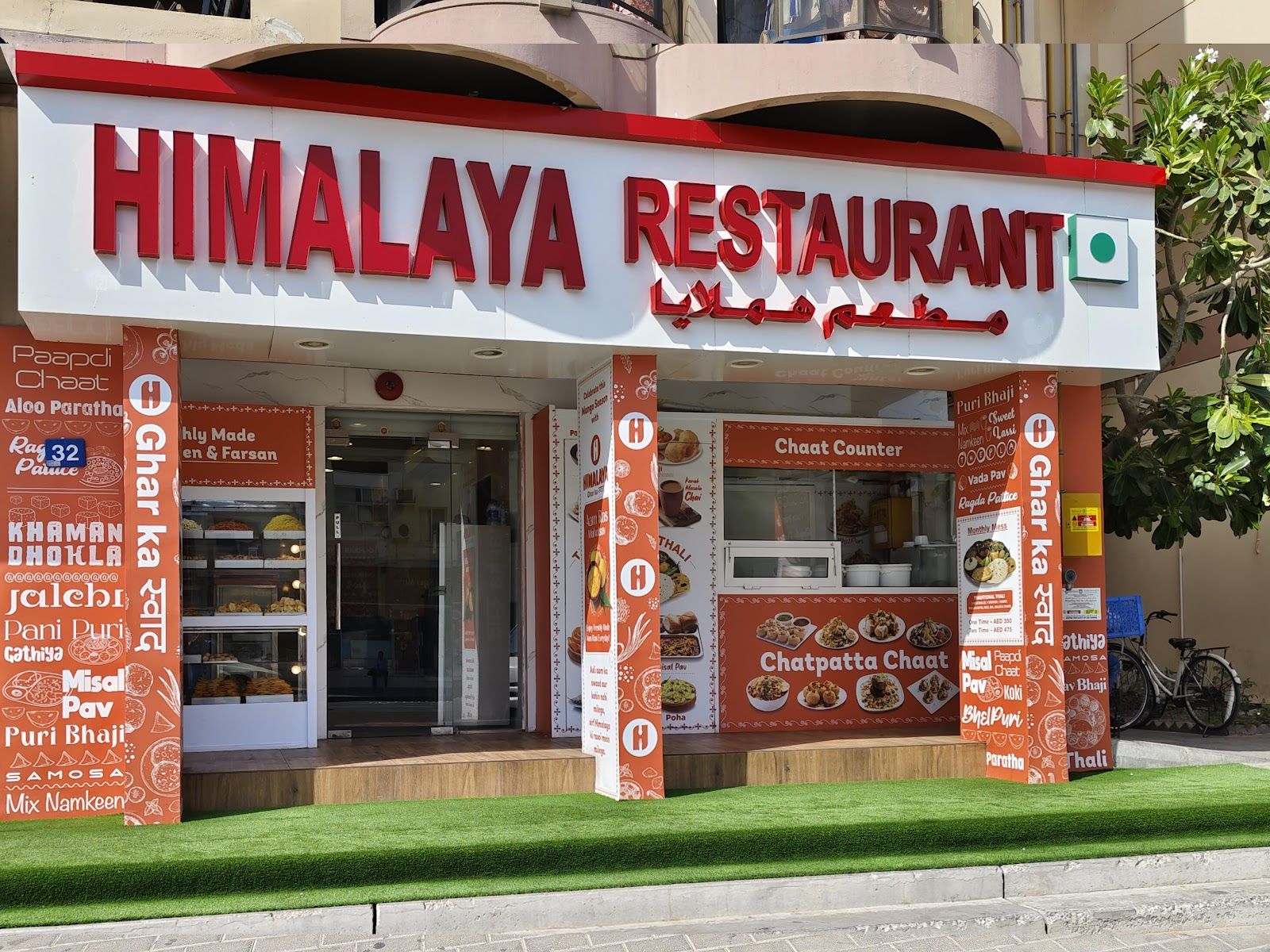
Himalayan Diner — Karama
The best Tibetan food in Dubai is at Himalayan Diner, a casual space in Karama that draws both Nepali residents and Tibetan community members. The thukpa here — hand-pulled noodles in a deeply flavoured bone broth — is exceptional. The kitchen also makes excellent thenthuk (flat hand-pulled noodle soup with vegetables and yak-style cheese) and phaley (pan-fried Tibetan bread pockets with minced meat filling).
For first-timers, the mixed platter (AED 65 for two) covers momos, sekuwa, and a small thukpa — a good introduction to both cuisines. The butter tea (po cha — rancid butter with black tea and salt) is an acquired taste worth acquiring. Karama location means busy for lunch; arrive by 12:15pm or after 1:30pm to avoid the rush.
What to Order
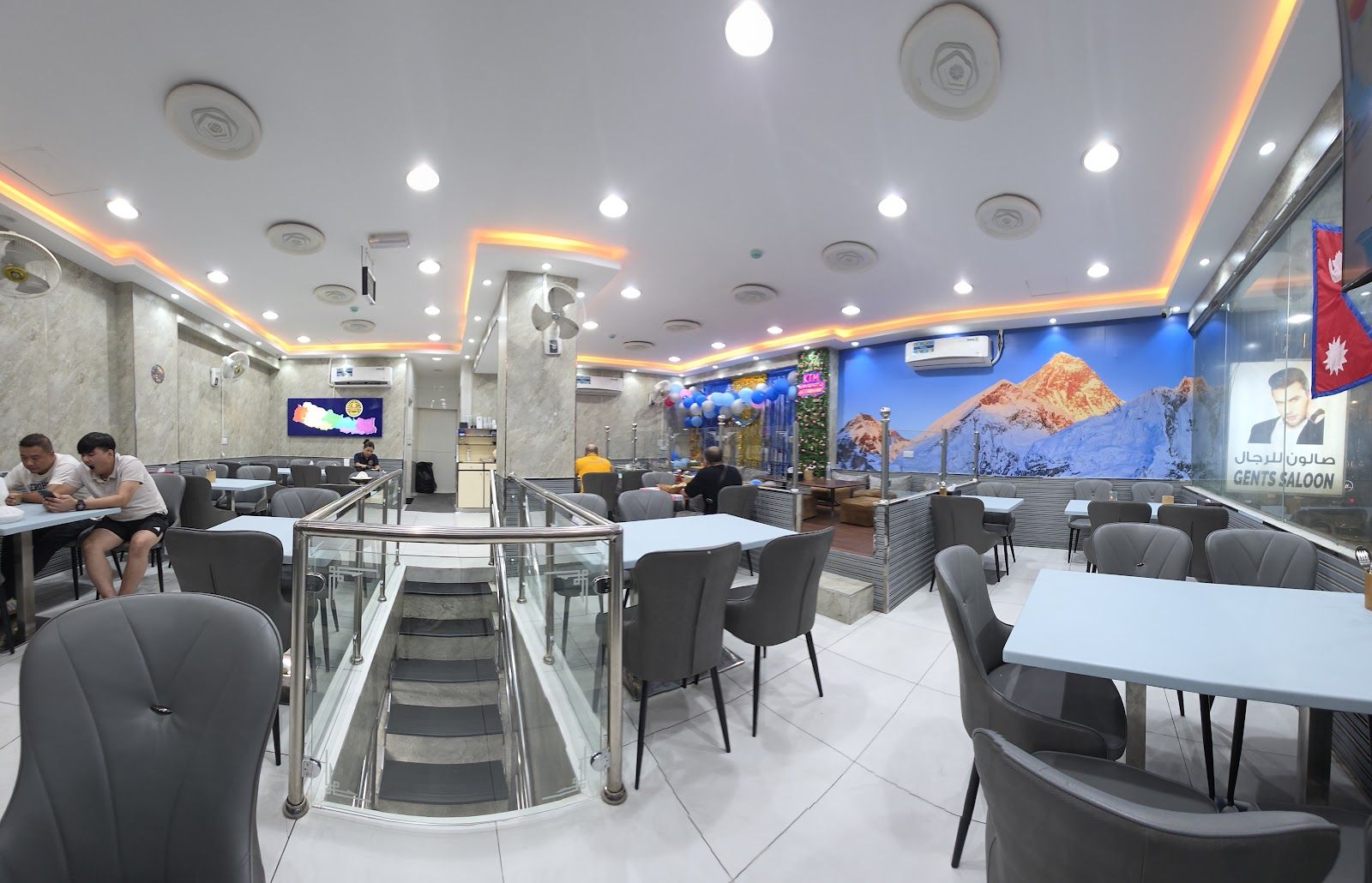
Nepal House — Deira
The budget champion: Nepal House in Deira serves dal bhat sets for AED 22–28 and momos for AED 18–22, making it the most affordable proper Nepali food in the city. It's a canteen, not a restaurant — plastic tables, fluorescent lighting, and a menu on a whiteboard — but the cooking is direct and honest. The dal is well-spiced, the rice is fluffy, the momos are hand-made.
The clientele is almost exclusively Nepali workers — the highest recommendation possible. Come for lunch (12–2pm) when the daily specials are fresh. The kitchen sometimes has buff (buffalo) dishes not on the regular menu — ask what's available before ordering.
What to Order
Momos: Dubai's Most Underrated Dumpling
Momos deserve their own section. While Dubai has embraced Japanese gyoza, Chinese dumplings, and Turkish manti, momos — the Himalayan answer to the universal human love of stuffed dough — remain almost entirely unknown outside the Nepali and Tibetan community. This is a significant gap in the city's collective knowledge.
A great momo has a thin but resilient wrapper (not too thick, not so thin it tears) filled with well-seasoned, moist minced meat or vegetables. The standard filling is chicken or buff (buffalo — slightly gamier and more flavourful than beef); vegetables are cabbage, potato, and paneer. The dumpling is steamed until just cooked through, served immediately.
The achar — the fiery, tangy tomato and sesame dipping sauce — is as important as the momo itself. A great achar has deep tomato sweetness, sesame richness, dried chilli heat, and timur (Sichuan pepper) that makes your lips tingle. Without proper achar, momos are incomplete. If the restaurant's achar is timid, ask for more chilli.
Styles to try: steamed momos (classic), fried momos (crispy shell, slightly drier filling), kothey (pan-fried on one side, steamed on the other — like Japanese gyoza), jhol momos (served in a soup — becoming popular in Kathmandu and occasionally available in Dubai).
When & How to Eat Nepalese Food in Dubai
Weekday Lunch
Dal bhat at Nepal House or Everest Kitchen — the most satisfying AED 25 meal you'll spend in Dubai. Filling, balanced, fast.
Momo Evening
Everest Kitchen for mixed momos (steamed + fried), a shared sekuwa plate, and Himalayan tea. Budget AED 45–60 per person.
Cold Weather Comfort
Himalayan Diner for thukpa on Dubai's 15°C winter evenings. The hand-pulled noodles and warming broth are genuinely great.
Weekend Cultural Night
Everest Kitchen on Friday evenings for live Nepali folk music with a full meal — one of Dubai's most atmospheric under-the-radar evenings.
Group Meals
Himalayan Diner's mixed platter is ideal for groups unfamiliar with the food — covers multiple dishes for shared tasting.
Budget Eating
Nepal House in Deira for AED 22 dal bhat or AED 18 momos. Among the cheapest genuinely delicious meals in Dubai.
Nepalese vs Indian vs Tibetan Food: What's the Difference?
The overlap is real but the distinctions matter. Nepalese food uses lentils, fermented vegetables, and timur (Sichuan pepper); the cooking style is less oily than Indian and shows Tibetan dumpling and noodle influences. Indian food (from the Nepali perspective) means Terai-region cuisine similar to North Indian — richer, more ghee-heavy, more aromatic spice complexity. Tibetan food is starker — tsampa, yak butter, momos without Indian spicing, and thukpa soups. Himalayan Diner does the best job in Dubai of bridging Tibetan and Nepalese traditions.
The key distinctions to remember: timur (Sichuan pepper) appears in Nepalese dishes where you might expect black pepper; gundruk (fermented greens) has no equivalent elsewhere in the food landscape; and dal bhat, while superficially similar to an Indian thali, has quite different seasoning — less aromatic spice, more subtle depth.
Frequently Asked Questions
Where can I find Nepalese food in Dubai?
Everest Kitchen in Bur Dubai is the best overall option. Himalayan Diner in Karama is best for Tibetan-influenced dishes and thukpa. Nepal House in Deira is the best budget option. Most are in Bur Dubai, Karama, and Deira where the Nepali community is concentrated.
What are momos and where can I get the best ones?
Momos are Himalayan dumplings — steamed or fried — filled with minced meat or vegetables, served with fiery tomato achar sauce. The best momos in Dubai are at Everest Kitchen (fresh, handmade, great achar) and Himalayan Diner (also great, with Tibetan phaley variation). Price: AED 18–42 for a plate.
What is dal bhat?
Dal bhat is Nepal's national dish — lentil soup with rice, vegetable curry, and pickles. It's eaten twice daily by most Nepalis and is the best measure of a Nepalese restaurant's authenticity. In Dubai, a full dal bhat set costs AED 20–48 depending on the restaurant.
Is Nepalese food spicy?
Nepalese food varies in heat. Achar (pickle sauce) is very spicy. Dal bhat is mild to moderate. Momos are mild, relying on the achar for heat. Sekuwa (grilled meat) can be quite spicy. The characteristic Nepalese heat agent is timur (Sichuan pepper), which creates a lip-numbing sensation rather than burning chilli heat.
Is Nepalese food halal?
Nepalese restaurants in Dubai serve halal chicken and sometimes halal beef. Traditional Nepali cuisine uses buffalo (buff), pork, and yak — in Dubai, restaurants serve halal chicken and halal beef instead. No pork is served in any Nepalese restaurant in Dubai.
What is thukpa?
Thukpa is a Himalayan noodle soup — thick hand-pulled noodles with meat or vegetables in a warming, aromatic broth. It's originally Tibetan but is equally popular in northern Nepal. Himalayan Diner in Karama serves the best thukpa in Dubai (AED 34–38 per bowl).