Filipino comfort food is unlike any other cuisine's comfort food. It is simultaneously bold and nurturing — dishes built on vinegar, fermented pastes, and deep umami that somehow feel like a warm hug. In Dubai, where hundreds of thousands of Filipinos live far from home, these dishes aren't just food. They're memory, identity, and belonging. Here's where to find every essential Pinoy comfort dish in the city.
The 8 Essential Pinoy Comfort Food Dishes
Adobo
The dish that defines Filipino cooking. Pork belly or chicken (or both, or squid) slow-braised in vinegar, soy sauce, garlic, bay leaves, and black pepper until the meat is falling off the bone and the sauce has reduced to a deeply savoury glaze. Every Filipino family has its own version — some add coconut milk, some go heavy on the vinegar, some use calamansi. The Dubai versions are good enough to make you wish you grew up eating this.
Sinigang
Sinigang is a masterclass in controlled sourness. The tamarind broth — bracingly tart, savoury, and clean — is built around whatever protein is in season: pork ribs, shrimp, fish (bangus/milkfish is the most common), or beef. Vegetables include kangkong (water spinach), okra, radish, and eggplant. Eaten with plain steamed rice, using the broth as a sauce. One of the most restorative soups on the planet. Particularly satisfying in Dubai's cooler winter months.
Kare-Kare
The most impressive Filipino dish you can order in Dubai. Oxtail (and sometimes tripe and banana blossom) slow-braised in a rich peanut and annatto sauce until the meat slides off the bone. Always served with shrimp paste (bagoong alamang) on the side — the salty, fermented counterpoint that makes the rich peanut sauce sing. This is fiesta food: made for celebrations, shared at the table, eaten slowly. Kooya's wagyu kare-kare (AED 115) is one of the finest dishes in Dubai.
Sisig
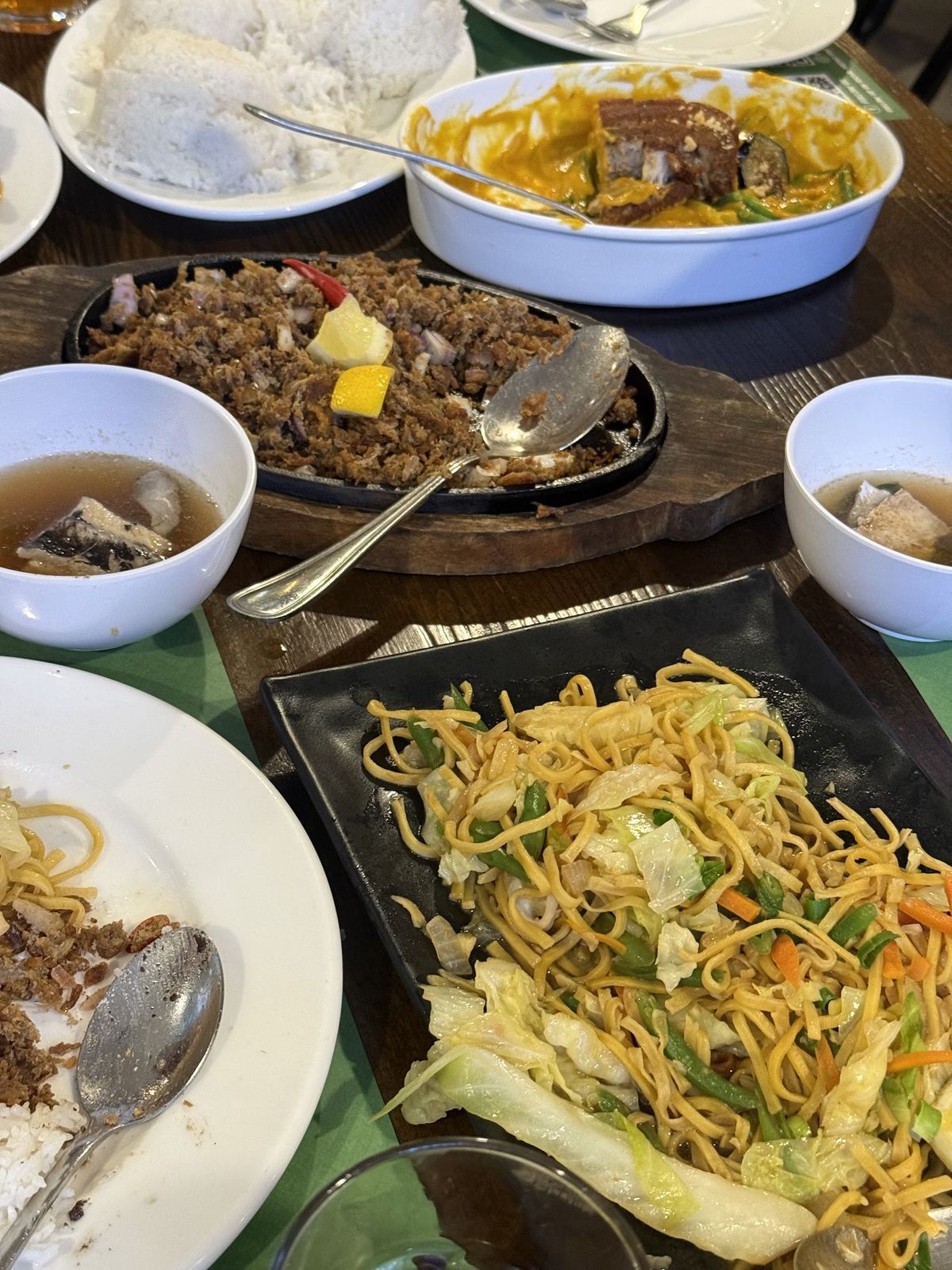
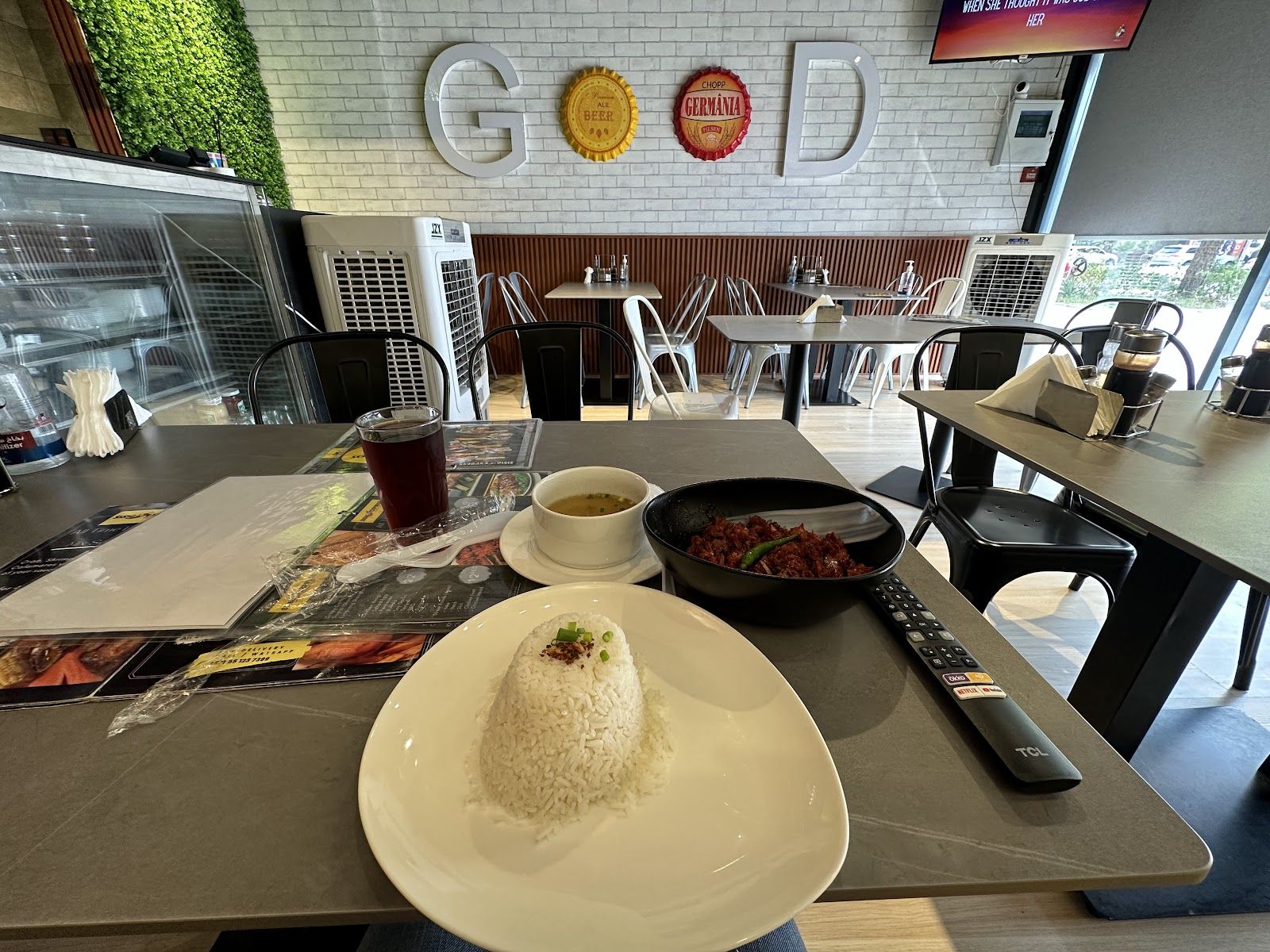
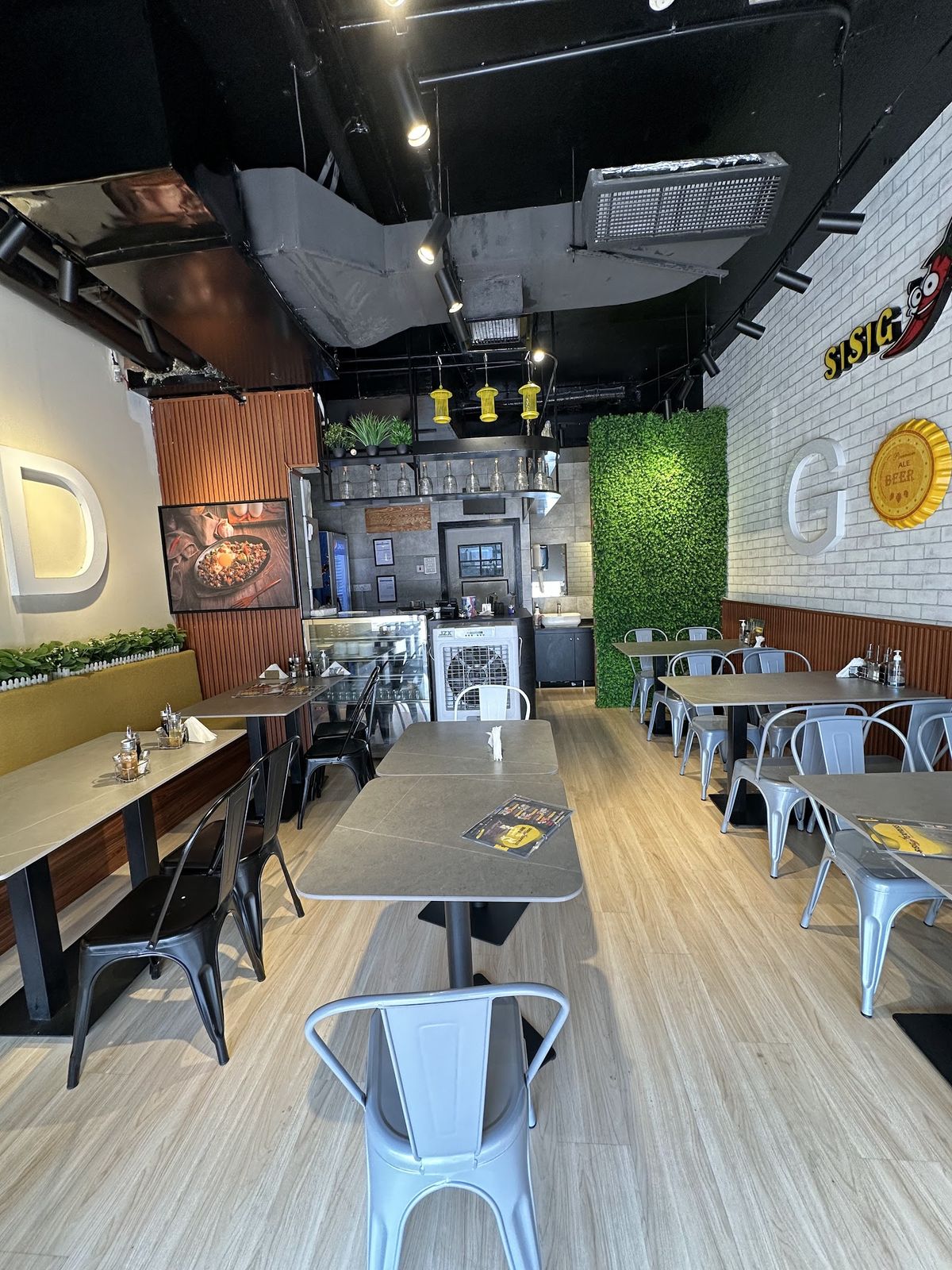
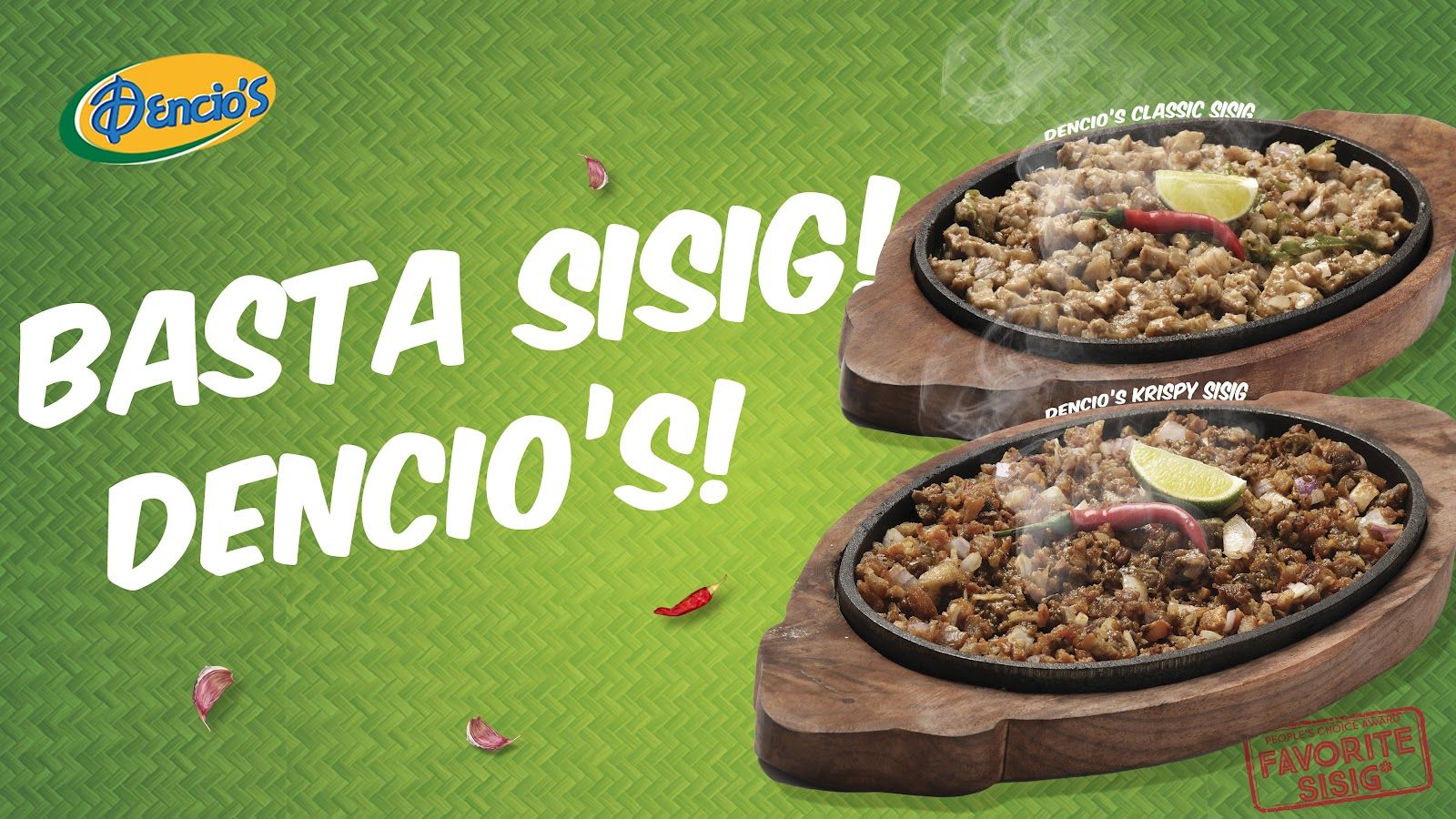
Sisig arrives at the table on a cast-iron plate, still sizzling, filling the entire restaurant with the smell of caramelised pork. The dish — traditionally made from chopped pork face (head meat, ears, cheeks) dressed with calamansi, chili, and onion — is one of the great achievements of Filipino cuisine. In Dubai, most restaurants serve a cleaned-up version using pork belly or shoulder, which is excellent. The authentic pig's head version (available at some Al Karama spots) is extraordinary for the adventurous.
Lechon
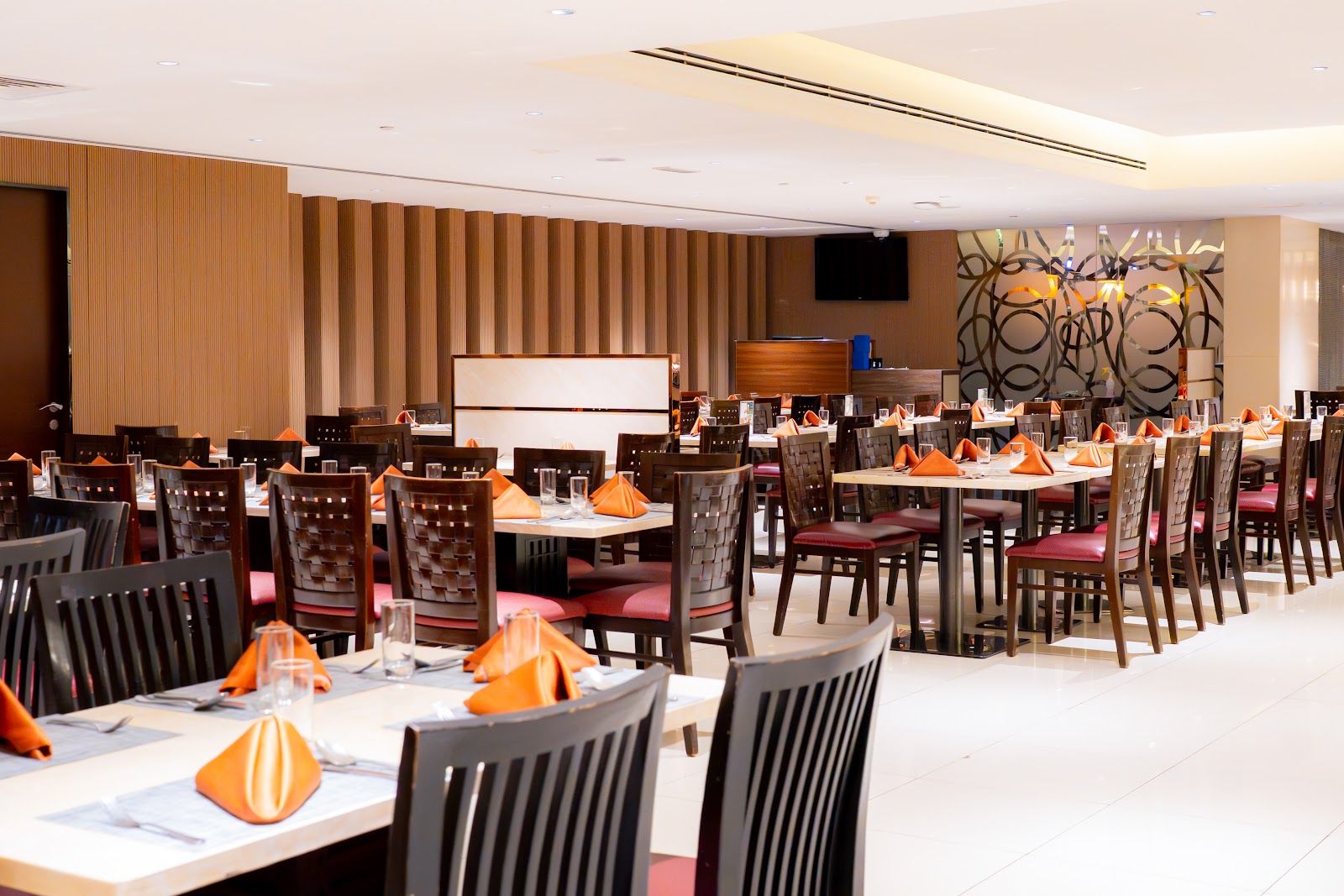
The ultimate Filipino celebration dish. A whole pig, slow-roasted over coals for hours until the skin is a shatteringly crispy, mahogany-brown crackling and the meat inside is moist and fragrant with the stuffing of lemongrass, onion, and herbs. Lechon is not everyday food — it's the centrepiece of every Filipino fiesta, birthday, and reunion. In Dubai, Hot Palayok (Al Karama) serves excellent lechon on weekends by the portion. Pre-order for whole pigs from specialist caterers in Karama.
Bulalo
If adobo is the soul of Filipino cuisine, bulalo is its nervous system — the dish Filipinos turn to when they're tired, sick, or homesick. Beef shanks and marrow bones slow-simmered for hours until the broth is cloudy and deeply savoury, the marrow is creamy and ready to be scooped onto rice, and the beef falls off the bone in thick, collapsing chunks. The Batangas region of the Philippines is famous for it, but Luneta in Satwa has the best version in Dubai (AED 72). Order this at midnight. You'll understand.
Pancit
The Filipino noodle tradition is deep and varied. Pancit bihon (thin rice noodles stir-fried with chicken and vegetables) is the everyday version. Pancit canton uses egg noodles for a richer result. Pancit palabok is smothered in a savoury shrimp sauce and topped with hard-boiled eggs, chicharrón, and spring onions. Pancit malabon adds fresh seafood. Every Filipino birthday features pancit, because noodles symbolise long life. You'll find all variations across Dubai's Filipino restaurants.
Halo-Halo
The greatest dessert in Southeast Asia. Halo-halo — literally "mix-mix" — is a towering glass of shaved ice layered with sweetened beans (white beans, chickpeas, kidney beans), macapuno (sweet coconut), nata de coco, ube ice cream, leche flan, and a drizzle of evaporated milk. The joy of halo-halo is in the mixing — you smash it all together, combining the creamy, icy, sweet, and lightly savoury elements into a uniquely Pinoy experience. Essential in Dubai's summer. Outstanding year-round.
Where to Find Every Dish: Quick Reference
| Dish | Best Restaurant | Area | Price | Note |
|---|---|---|---|---|
| Adobo | Bulwagang | Al Karama | AED 38 | Pork belly version |
| Sinigang | Bulwagang | Al Karama | AED 45 | Bangus (milkfish) |
| Kare-Kare | Kooya Filipino Eatery | Dubai Marina | AED 115 | Wagyu version |
| Sisig | Kooya / Luneta | Marina / Satwa | AED 50–75 | Cast iron plate |
| Lechon | Hot Palayok | Al Karama | AED 45 | Weekends only |
| Bulalo | Luneta | Satwa | AED 72 | 24 hours |
| Pancit Palabok | Barrio Fiesta | Multiple | AED 45 | Full topping version |
| Halo-Halo | Kooya | Dubai Marina | AED 42 | Premium ingredients |
First-Timer's Order: If you're new to Filipino food, start with chicken adobo + plain steamed rice, then move to sinigang. These two dishes give you the essential flavour profile of Pinoy cooking — the vinegar depth of adobo and the sour-savoury brilliance of sinigang. After that, you're ready for kare-kare and sisig.