A Sri Lankan hopper is one of those dishes that sounds simple and turns out to be quietly miraculous. Made from a batter of rice flour, coconut milk, and a small amount of toddy vinegar (or yeast) that is allowed to ferment overnight, it is cooked in a small, rounded iron wok to produce a thin, crispy-edged bowl with a soft, pillowy centre. When an egg is broken into the wok and cooked inside the hopper, you get the perfect breakfast: the whites set into lacy crispiness at the edges, the yolk still runny in the middle, framed by fermented rice batter that tastes unlike anything else.
In Dubai, the hopper scene lives in Bur Dubai, Deira, Karama, and Al Qusais — wherever the Sri Lankan community has established itself. These are not fancy restaurants. They are bright, functional, and serve food that is better than most places that cost ten times as much.
Types of Sri Lankan Hoppers
Egg Hopper
The classic. An egg is broken into the wok as the hopper cooks, resulting in a crispy roti bowl with a soft-set egg in the centre. The most ordered, and the best introduction.
AED 7–10 eachPlain Hopper
No egg — just the fermented batter, perfectly cooked. Lighter and more delicate. Best for eating with coconut sambol, kiri hodi curry, or dhal.
AED 4–6 eachString Hoppers (Idiyappam)
Rice flour pressed through a mould to create fine noodle bundles, steamed not fried. Served in stacks, eaten with curry and coconut milk. A different experience entirely.
AED 16–22 for 10Milk Hopper
Made with extra coconut milk for a sweeter, richer flavour. Sometimes finished with jaggery for a dessert version. Less common in Dubai but worth seeking out.
AED 8–12 each
Where to Find the Best Hoppers in Dubai
Lanka Flavors — Al Qusais
The egg hoppers at Lanka Flavors are made with a batter that is properly fermented — you can tell immediately from the slight tang and the way the edges go golden rather than pale. The wok is seasoned and well-used, which gives the outside that proper crisp. Order three egg hoppers (AED 8 each), pol sambol (AED 8), and seeni sambol (AED 8), and arrange your breakfast like a local: break the yolk over the sambol and eat with your hands from the edges in.
They also do excellent string hoppers (AED 18 for ten) that are made fresh daily and served with a thin coconut curry and pol sambol. The combination is one of the most satisfying breakfasts in Dubai.
Ceylon House — Karama
Ceylon House opens at 6am — earlier than anywhere else on this list — and by 7am it's already full. The egg hoppers here (AED 7) have the toddy vinegar tang that marks proper preparation. The whites are set all the way to the edge, which is what you want: the crispy, lacy border is the best part. The yolk should still be runny; any competent hopper-maker will not overcook it.
The accompaniments at Ceylon House are particularly good — lunu miris (a fiery onion-chili relish, AED 6) is made fresh and assertively spiced. Their coconut sambol is shredded finely rather than roughly, which integrates better with the hopper. The kiri hodi (coconut milk curry, AED 12) for pouring over string hoppers is light and fragrant.
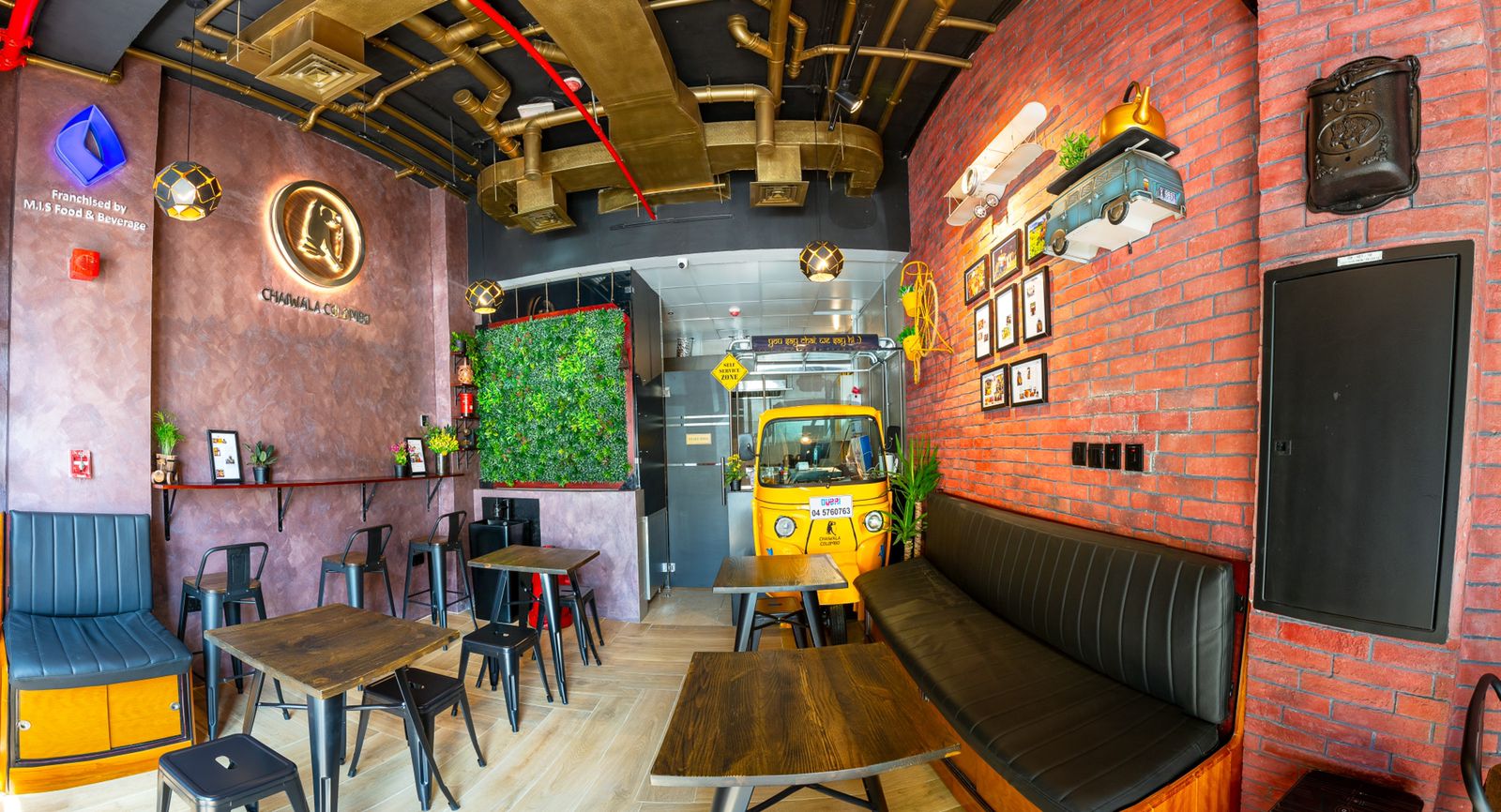
Colombo Restaurant — Bur Dubai
Colombo Restaurant is mainly known for its rice & curry and kottu roti, but the morning hopper service is also excellent. The batter is prepared the previous evening and left to ferment in a cool room — you can taste the difference in the slight sourness and the bubble structure of the cooked hopper. The milk hopper (AED 10) here is worth trying: made with fresh coconut milk and a scraping of jaggery, it is sweet enough to be dessert but not aggressively so.
Serendib Restaurant — Deira
Serendib is slightly more upmarket than the others and the hoppers reflect that — the batter is made with premium coconut milk and the eggs are free-range, which makes a noticeable difference in yolk colour and richness. They also do a very good string hopper breakfast set (AED 28) which includes ten string hoppers, dhal, coconut sambol, pol sambol, and a small fish curry — excellent value for a complete meal.
What to Eat With Your Hoppers
The accompaniments are not optional. A plain hopper eaten without anything alongside it is a missed opportunity. The Sri Lankan way is to have at least two or three sambols and a curry on the table, and to build each mouthful by combining the hopper with different combinations of condiment.
Pol Sambol
Shredded coconut with chili, onion, lime, and salt. The essential hopper companion.
AED 6–8Seeni Sambol
Caramelised onion sambol — sweet, sticky, deeply flavoured. Incredible with egg hoppers.
AED 7–9Lunu Miris
Raw onion-chili paste. Fiery, pungent, and intensely flavoured. For heat-lovers only.
AED 5–7Kiri Hodi
Thin coconut milk curry. Pour it over string hoppers. Essential for the complete experience.
AED 10–14Dhal Curry
A gently spiced lentil curry that pairs particularly well with string hoppers.
AED 10–14Fish Curry
A small dry fish preparation. Traditional pairing with hoppers for breakfast.
AED 16–22A Note on the Fermentation
The most important thing about a good hopper — and the thing most easily skipped by restaurants cutting corners — is proper fermentation. The rice flour and coconut milk batter needs to sit overnight with a leavening agent (traditionally toddy, made from fermenting palm sap, but yeast is the common Dubai substitute) to develop its characteristic slight sourness and the bubble structure that gives the edges their unique crisp.
A hopper made from unfermented batter tastes flat, is pale rather than golden, and doesn't have the crisp-lacy edge. If you order an egg hopper and the batter tastes like a plain pancake, that's what you're dealing with. The restaurants on this list all ferment properly — which is why the wait is worth it.

Frequently Asked Questions
What are hoppers?
Hoppers (appa in Sinhala) are bowl-shaped pancakes made from a fermented rice flour and coconut milk batter, cooked in a small wok. They have crispy, lacy edges and a soft centre. Egg hoppers have an egg broken into them while they cook — the most popular variety in Dubai.
Are hoppers gluten-free?
Yes — hoppers are made from rice flour and coconut milk, making them naturally gluten-free. String hoppers are also rice-flour based. This makes Sri Lankan hopper restaurants an excellent option for those avoiding gluten. Always confirm with the restaurant as preparation areas may not be completely separate from wheat products.
What time should I go for hoppers in Dubai?
Hoppers are primarily a breakfast and early lunch dish. Most Sri Lankan restaurants in Dubai serve them from 6am–7am until around 12pm–1pm, when the hopper batter runs out. The best time is 7am–9am — the batter is at its freshest and the kitchen is in full swing. Arrive late and you may find they're sold out.
How many hoppers should I order?
For a full breakfast, order 2–3 egg hoppers plus accompaniments. One hopper is too little and you'll be hungry within an hour. For a lighter breakfast, two egg hoppers with pol sambol is sufficient. String hoppers come in sets of 10 which is typically one generous serving for one person.
More Sri Lankan Food in Dubai
Hoppers are just the beginning. Read our complete guide to Sri Lankan food in Dubai for the full picture of what the cuisine offers. See also: best Sri Lankan restaurants in Dubai for the full top-8 ranking, best kottu roti in Dubai, and our Sri Lankan breakfast guide. For context on where these restaurants are located, read our Bur Dubai guide and Deira restaurant guide.