Dubai is a city of 3.5 million people, home to over 13,000 restaurants, and yet you could spend a week here — eating brilliantly every day — without ever tasting the food of the people who actually founded it. Emirati cuisine is astonishingly rare in its own homeland. The restaurants that serve it well are precious, deliberately curated institutions that deserve your time and attention far more than yet another brunch buffet or celebrity-chef import.
This ranking is built on years of repeat visits. We measure atmosphere, authenticity, ingredient quality, spice knowledge, and the hardest thing to quantify — whether the food feels like someone's grandmother made it with actual love, or whether it's a heritage theme park in edible form. The restaurants on this list clear that bar with distinction.
How we rank: These restaurants were visited multiple times, anonymously, across different days of the week and times of day. No restaurant has paid for inclusion. Rankings reflect our honest editorial opinion.
Al Fanar Restaurant & Café
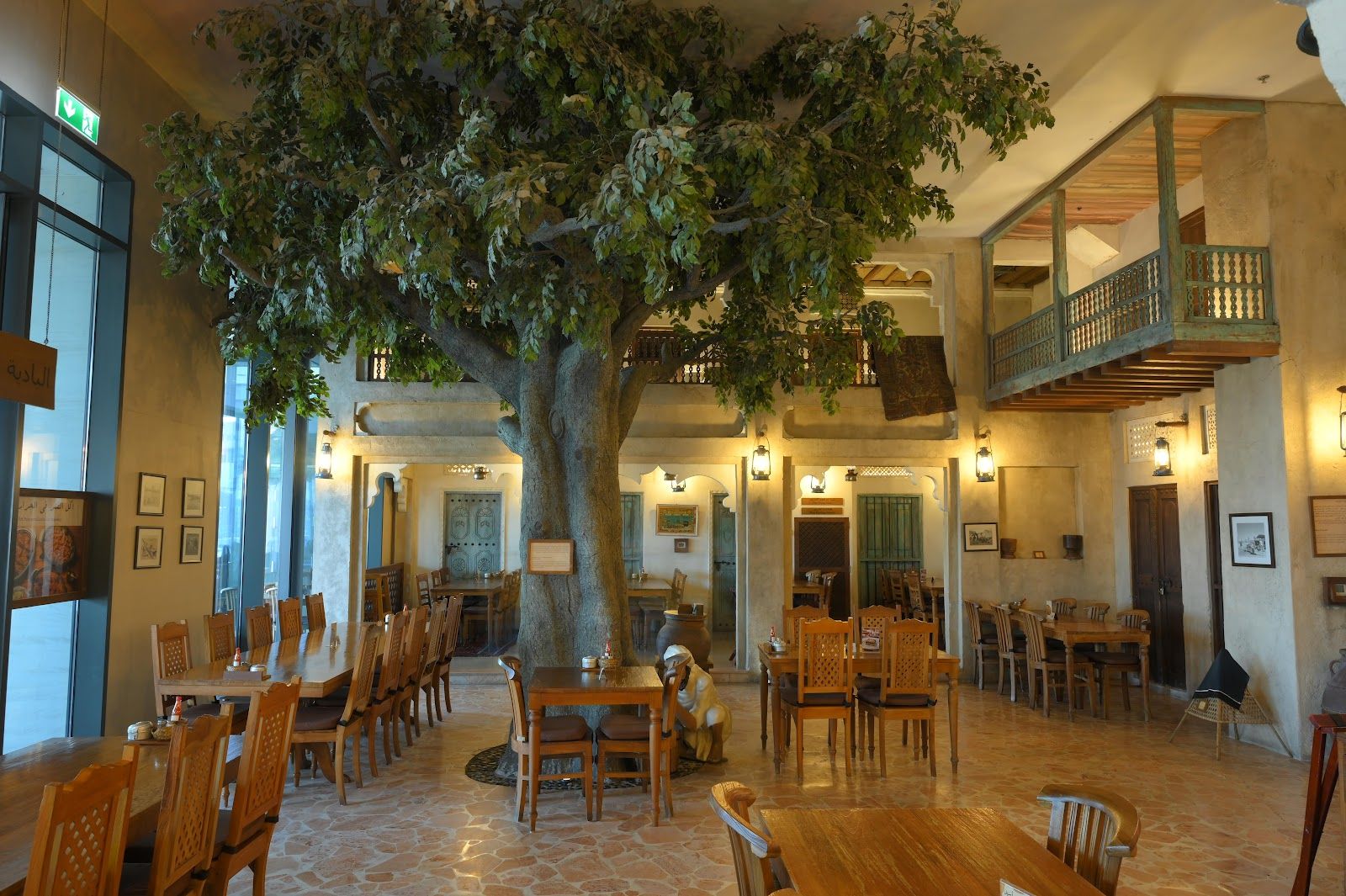
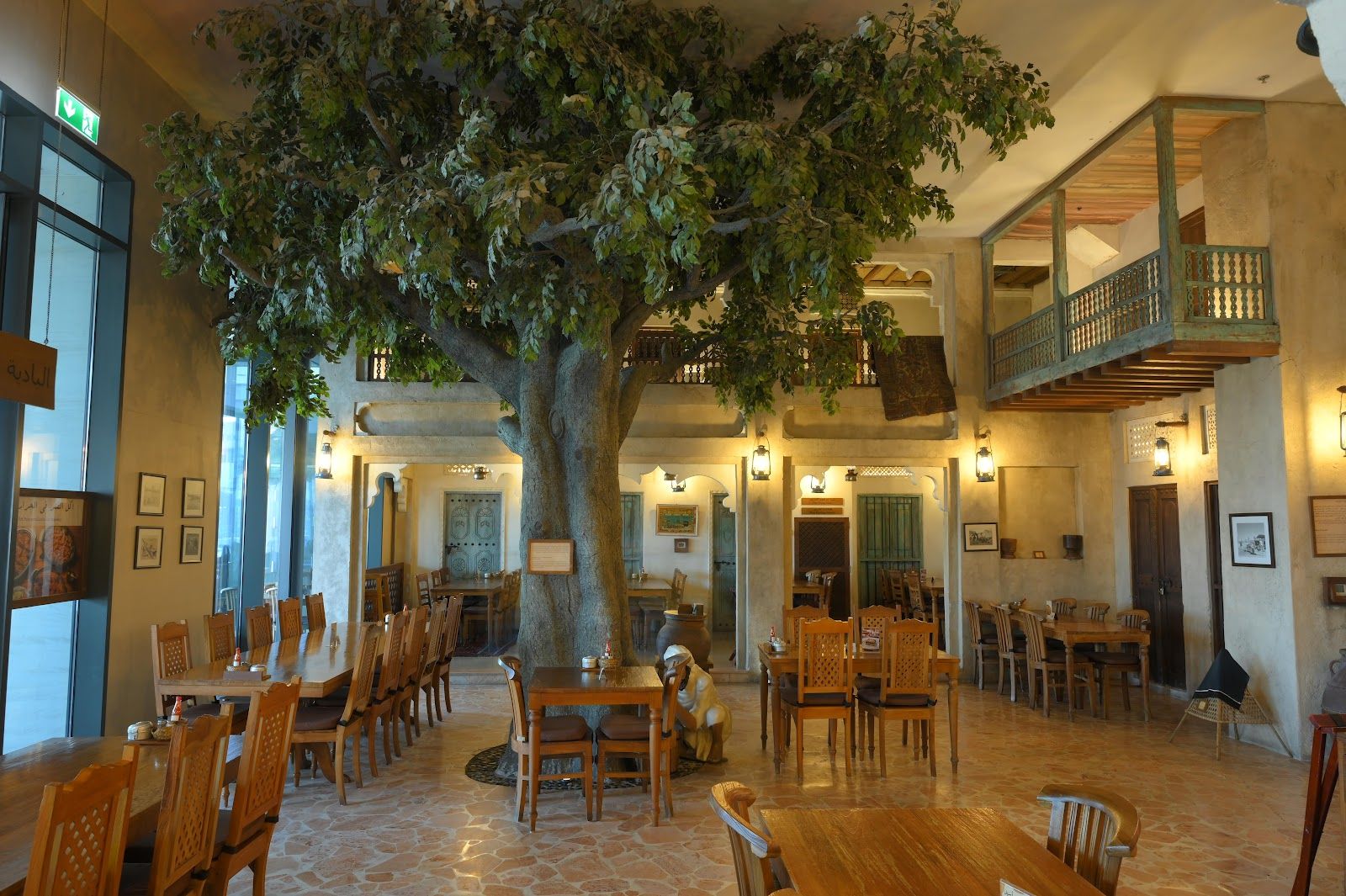
Al Fanar has occupied the top of this ranking for five years and shows no signs of losing its grip. The Festival City branch opened in 2012 and has since become one of Dubai's most reliably beloved restaurants across every category — not just Emirati, full stop. The interior recreates a 1960s Emirati village with extraordinary fidelity: coral stone arches, old fishing nets, a replica lighthouse, wooden screens carved in the traditional manner. It feels like stepping into a heritage museum that happens to serve extraordinary food.
The machboos laham (AED 78) remains our benchmark dish for Emirati cooking in Dubai: the long-grain rice is cooked to perfect separation, stained gold with bezar and turmeric, the lamb falling apart in long, silky strands. The harees (AED 55) — smooth, slow-cooked wheat and meat — is among the finest we've eaten outside an Emirati home. Start with the regag (AED 28), a paper-thin flatbread crisped to a cracker and served with honey and cream, and end with the luqaimat (AED 35), fried dumplings so good they should be controlled substances.
Logma
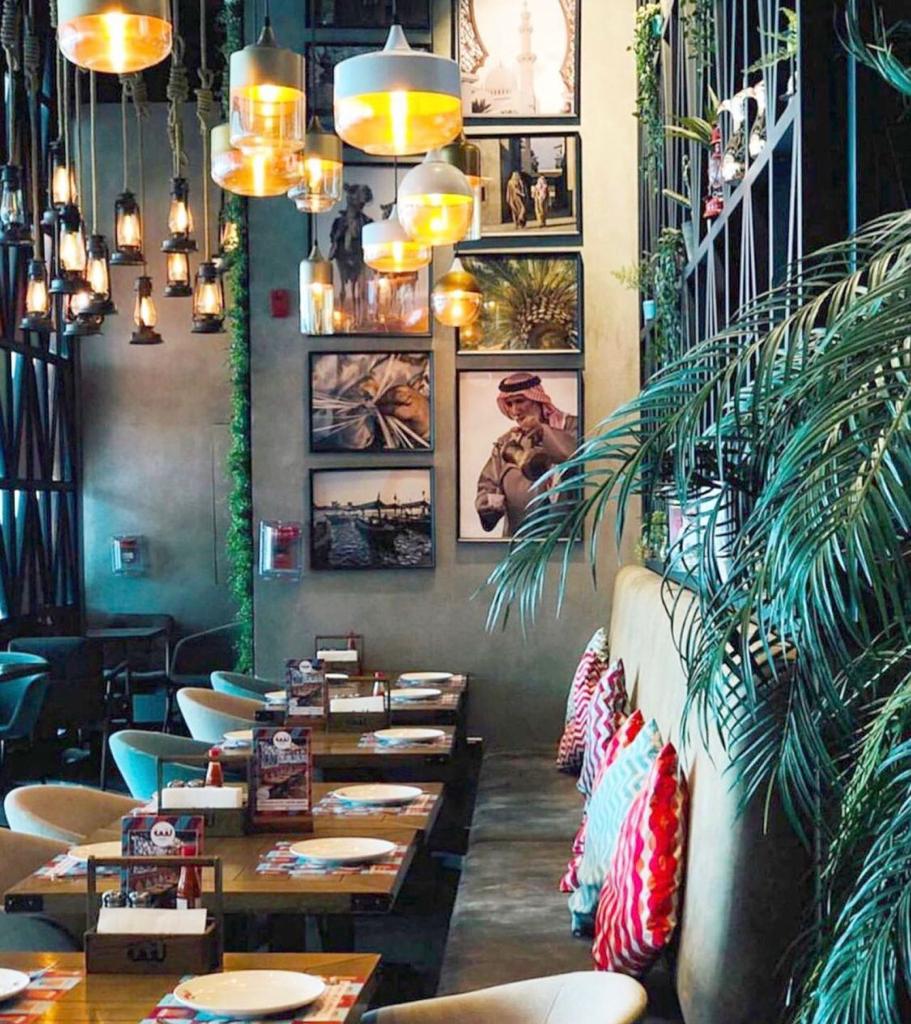
Logma — the word means "a mouthful" in Arabic — opened at Boxpark in 2015 and immediately became a phenomenon. It understood something the industry had missed: young Emiratis and expats both wanted traditional food in a setting that didn't feel like a museum visit. The design is clean and contemporary, the service is brisk and friendly, and the menu cleverly straddles tradition and innovation without compromising either.
The chebab pancake plate (AED 42) — Emirati-style saffron pancakes with Nutella, date cream, or mixed toppings — is a genius update on a traditional breakfast item and has rightfully become one of Dubai's iconic dishes. The classic harees (AED 52) is properly made, the machboos dajaj (AED 65) is aromatic and satisfying, and the karak chai (AED 12) is among the best in a city obsessed with it. Multiple branches now, all maintaining quality well.
Arabian Tea House
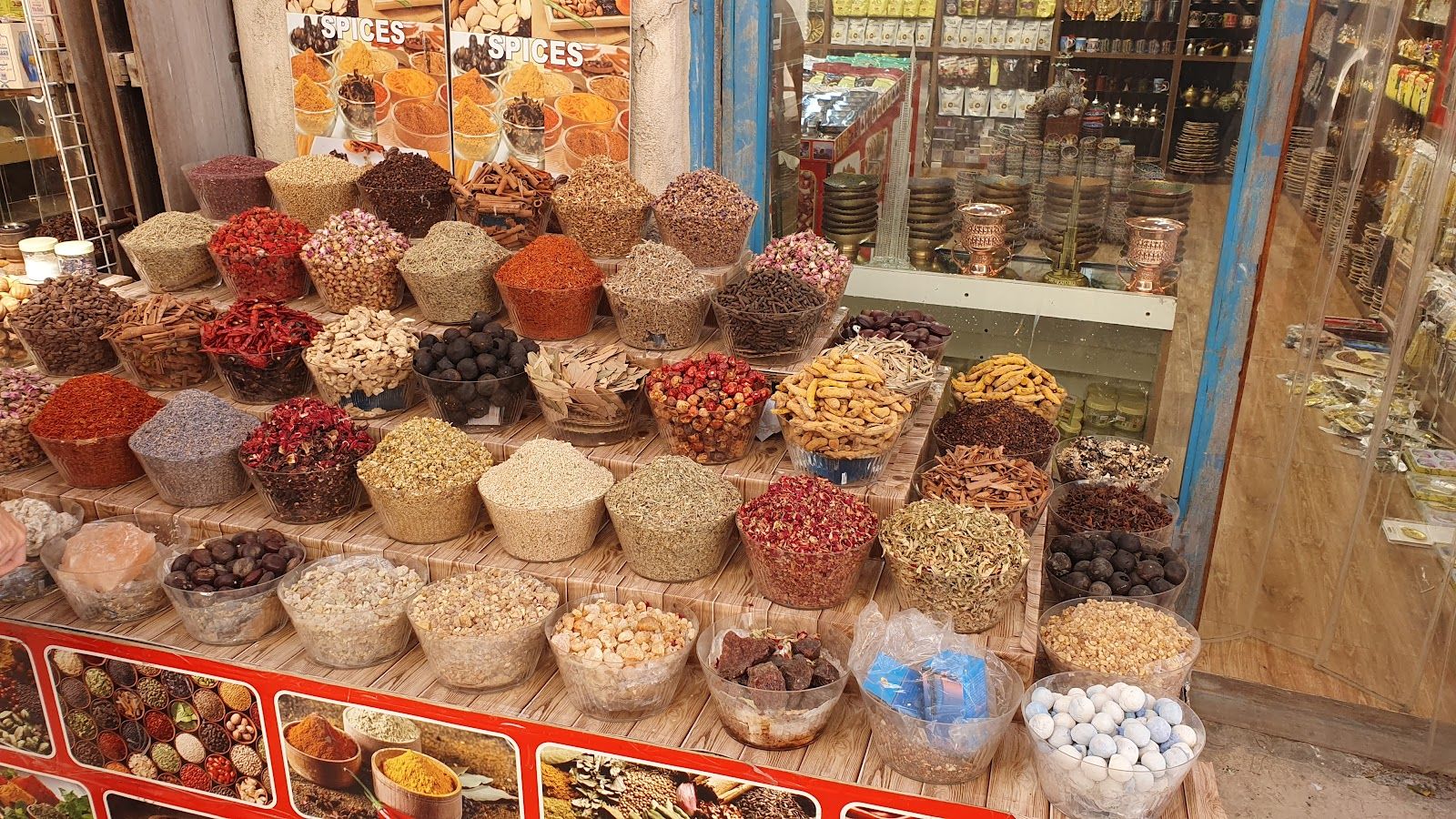
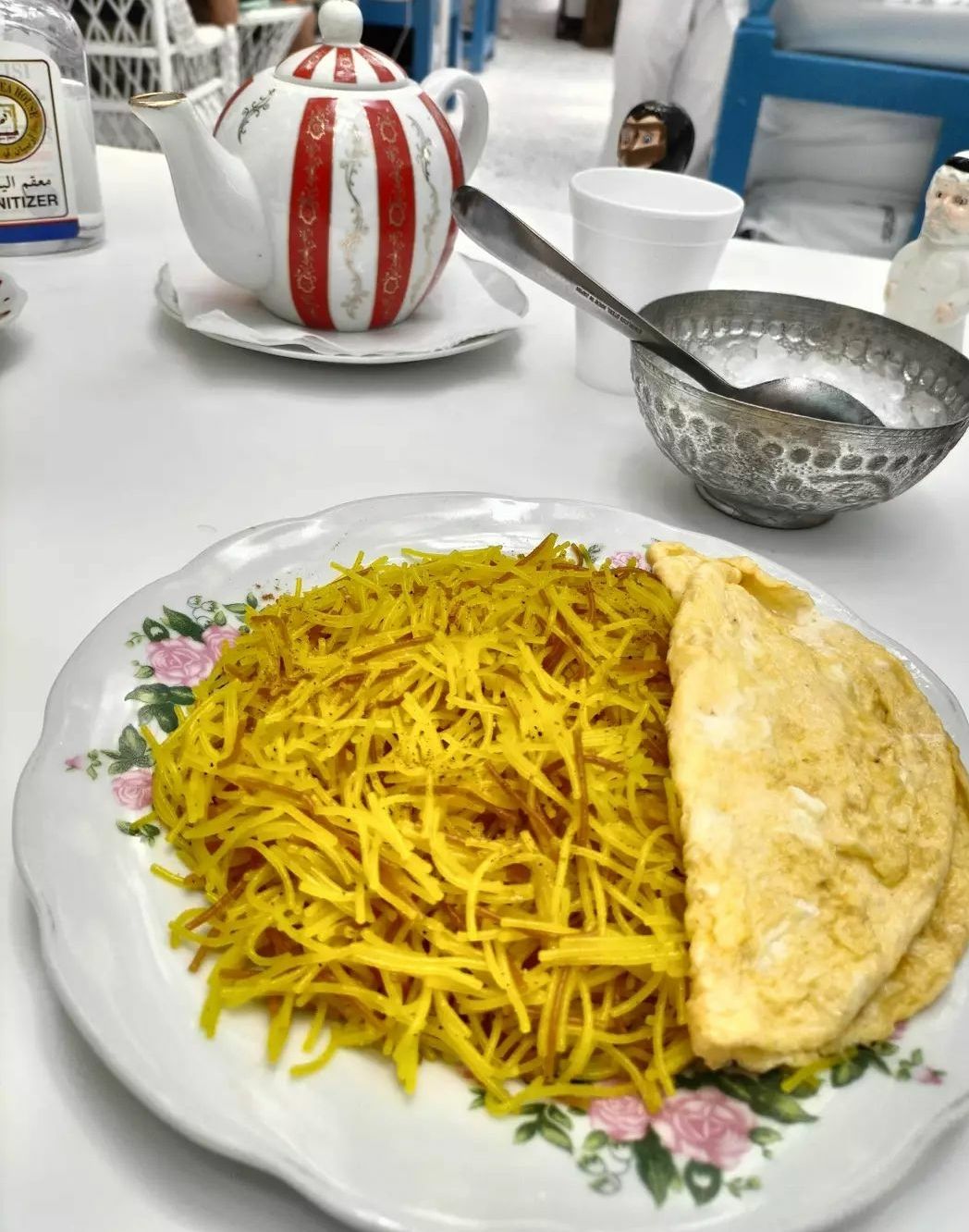
In the narrow, shaded lanes of the Al Fahidi Historical Neighbourhood — one of the last remaining areas of Old Dubai — Arabian Tea House occupies a restored merchant's courtyard house with bougainvillea tumbling over sand-coloured walls. The breakfast and light-lunch menu draws heavily on Emirati tradition: balaleet (sweet saffron vermicelli with egg, AED 52), regag with eggs and cheese (AED 44), an Emirati breakfast board (AED 75) that contains enough food for a small celebration.
The setting does a lot of work — perhaps more than the food strictly requires — but the cooking is genuinely good. The karak chai (AED 14) is spiced correctly, the khameer bread is baked fresh each morning, and the date-and-honey accompaniments are sourced from Emirati producers. Arrive before 9am for the best experience; the outdoor tables fill quickly and the midday heat can be punishing in summer.
Ayam Zaman
"Ayam Zaman" means "the old days" — an apt name for a restaurant that cooks as though time stopped sometime in the 1970s, in the best possible sense. Located in Deira, where the genuine old-Dubai atmosphere persists most stubbornly, this is where food-obsessed Emiratis send their friends when they want to show off the cuisine. The slow-cooked lamb dishes — prepared in clay pots over charcoal — are extraordinary. The ouzi (whole slow-roasted lamb, AED 380 for 2–3 people) requires advance ordering and advance hunger. Worth every dirham.
Milas
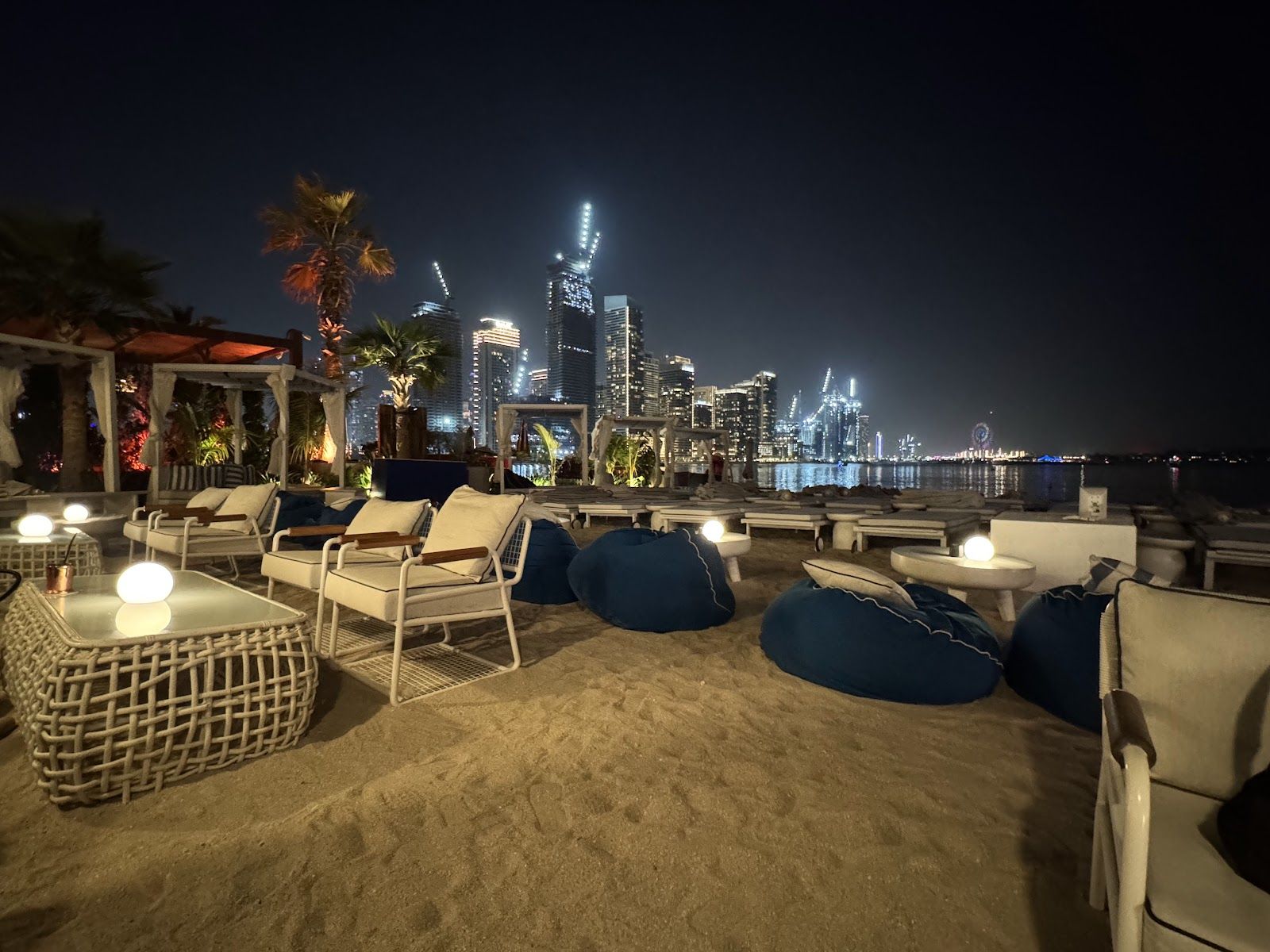
Milas occupies a fascinating middle ground: neither a heritage museum experience nor a fusion experiment, but an honest contemporary Emirati restaurant run by people with deep roots in the cuisine. The menu reads like a love letter to Emirati grandmothers — harees, machboos, jisheesh, balaleet — but executed with the precision of a well-trained professional kitchen. The dhal machboos (spiced lentil rice, AED 58) is quietly revelatory: you'll be astonished by how much flavour can come from such simple ingredients. The date-and-saffron cheesecake (AED 42) is a dessert worth crossing the city for.
Aseelah — Radisson Blu
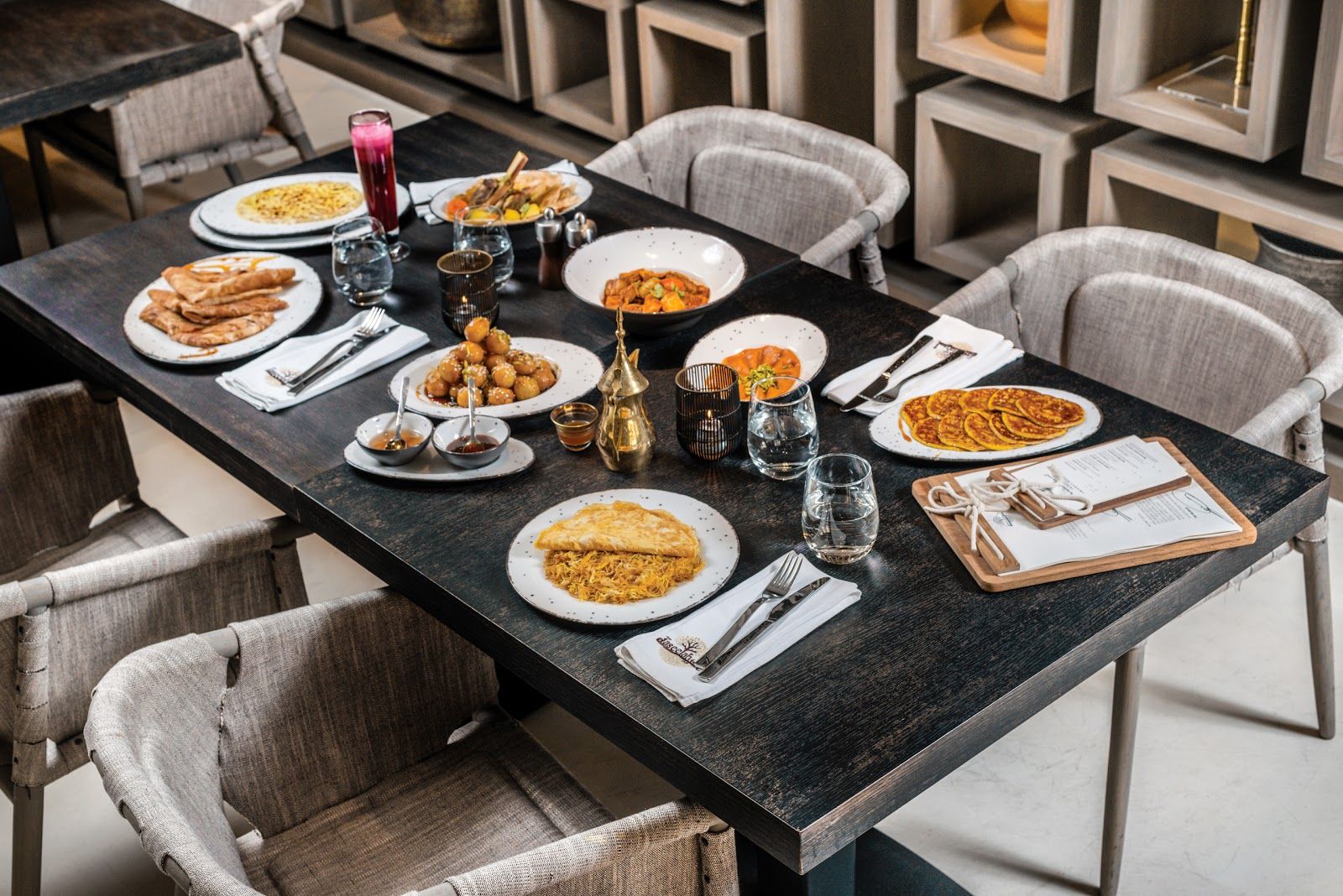
Most hotel Emirati restaurants are disappointing — too safe, too buffet-ised, too caught between serving tourists and honouring the cuisine. Aseelah at the Radisson Blu on Dubai Creek is a genuine exception. The menu is ambitious and serious: the samak mashwi bil bezar (grilled hammour with Emirati spice crust, AED 115) is superb, the machboos laham slow-cooked properly, and the dessert selection — including an extraordinary firni (rice pudding with rose water and pistachio, AED 38) — is among the finest in any Emirati restaurant. The Creek view is a bonus that transforms dinner into an occasion.
Honourable Mentions (#7 & #8)
Zahrat Lebnan (Al Wasl) — while technically a Levantine restaurant, this decades-old institution serves several Emirati-influenced dishes — including a magnificent ouzi — that local families have been ordering for thirty years. Budget AED 60–100 per person. The ambience is the kind of lived-in, regulars-know-your-name warmth that money can't manufacture.
SMCCU (Sheikh Mohammed Centre for Cultural Understanding) (Al Fahidi) — not a restaurant in the traditional sense, but a cultural experience that includes a traditional Emirati meal. The lunches and dinners here are served to groups alongside guided conversation about Emirati culture, hosted by Emirati nationals. It's the most educational food experience in Dubai and excellent value at AED 95–140 per person. Book through their website well in advance.
Frequently Asked Questions
What's the best Emirati restaurant in Dubai for a special occasion?
Al Fanar at Festival City for the classic heritage experience, or Aseelah at the Radisson Blu for Creek views and more refined cooking. Both are excellent for celebrating with a group.
Which Emirati restaurant is best for families with children?
Logma is the most child-friendly — casual setting, simple dishes children love (the chebab pancakes are universally adored), and no need to book. Al Fanar at Festival City also has ample space for families.
Are there any budget Emirati restaurants in Dubai?
Logma and neighbourhood Emirati cafés in areas like Al Quoz and Satwa offer solid Emirati food for AED 40–60 per person. The Arabian Tea House breakfast is also excellent value at AED 50–75 for a full spread.
Do any Emirati restaurants have outdoor seating?
Arabian Tea House (Al Fahidi) has a beautiful courtyard — ideal October to April. Al Fanar Festival City has some outdoor seating along the water. Most others are air-conditioned indoors, which is practical given Dubai's climate.