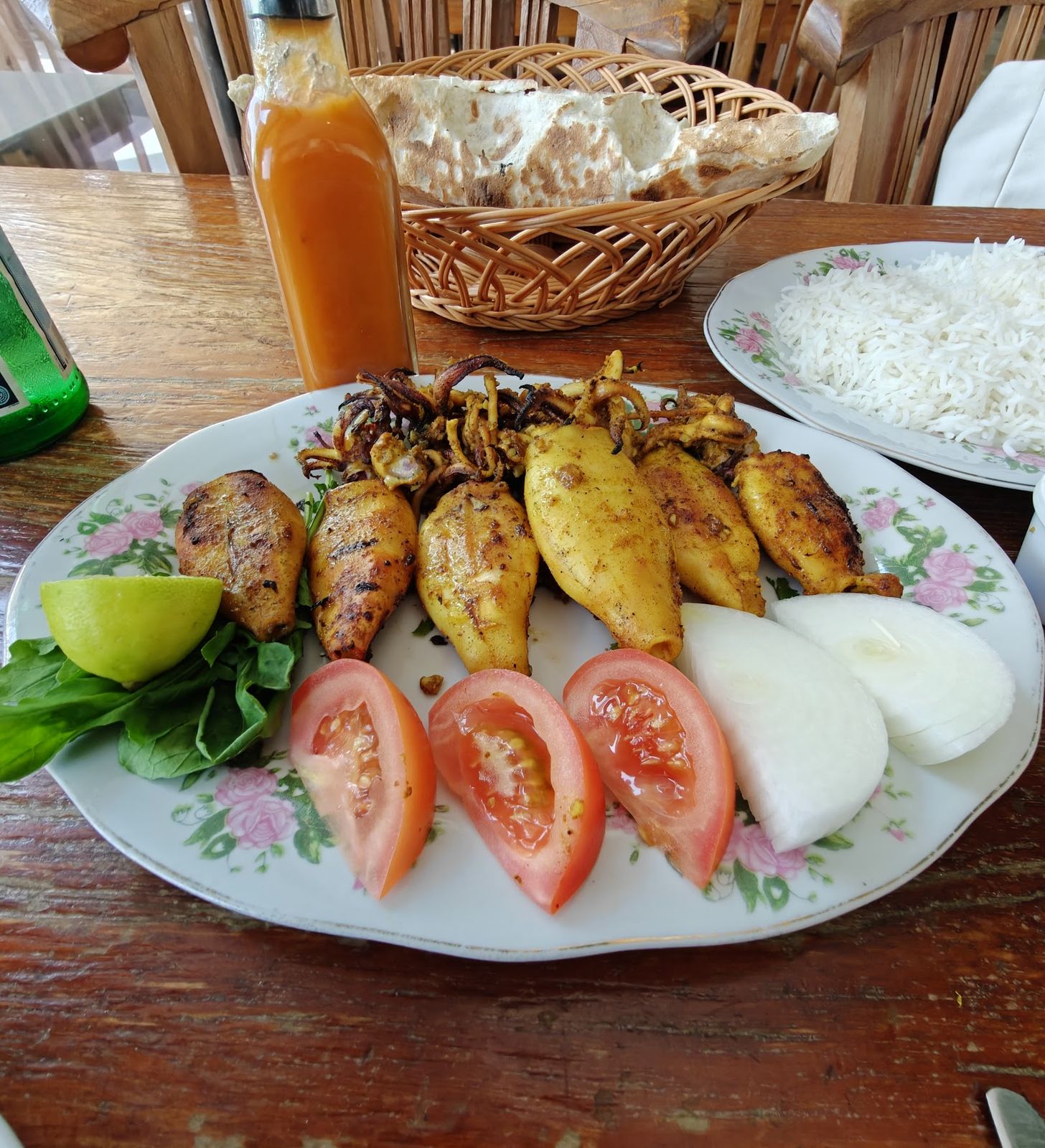
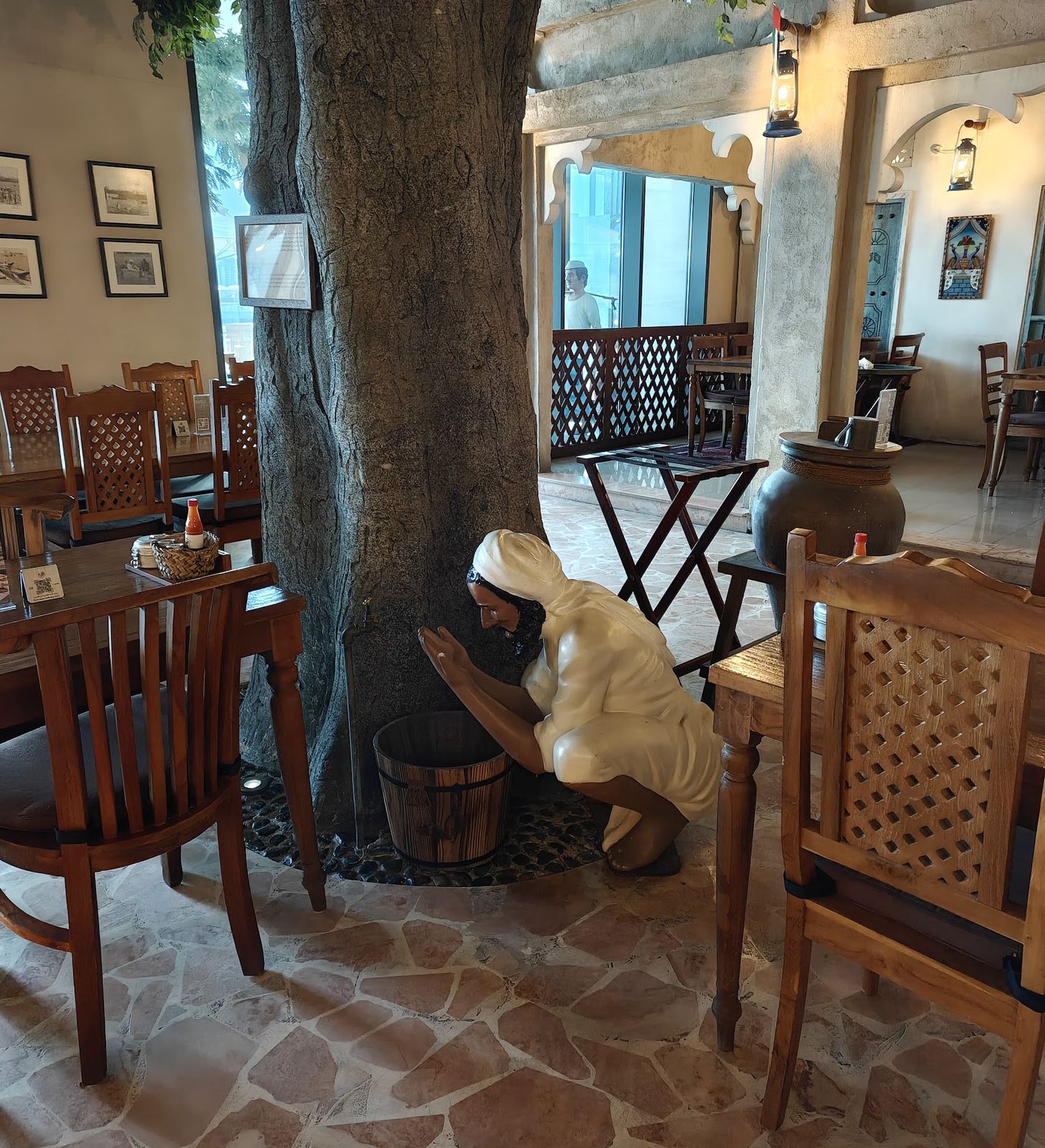
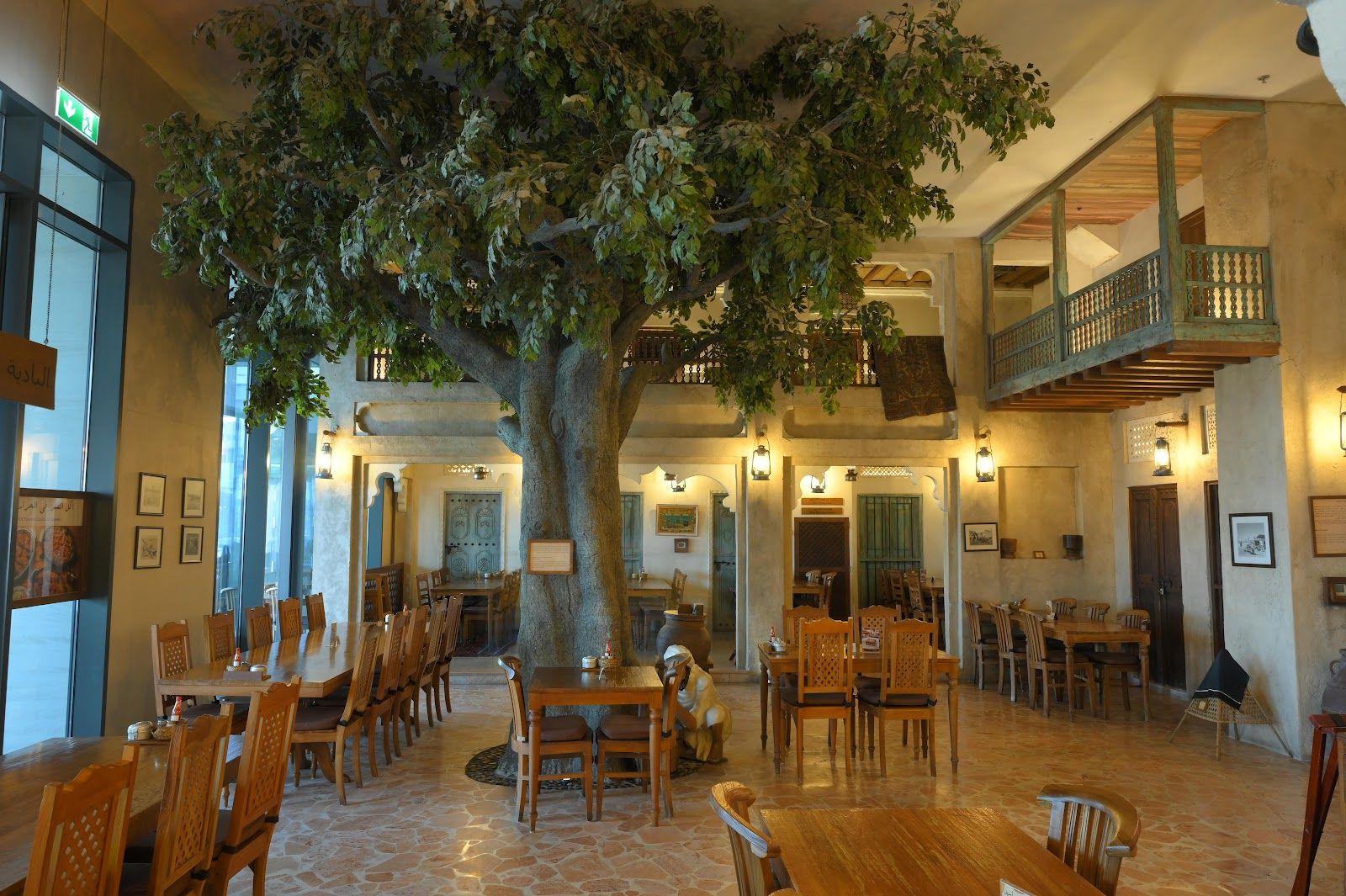
Emirati food is one of the world's most underappreciated cuisines — and one of the hardest to find in its authentic form, even in the city built upon it. Dubai is a global metropolis where Indian, Japanese, and Lebanese restaurants outnumber Emirati ones by a ratio of perhaps fifty to one. The irony is profound: in a city that owes its entire existence to the Emirati people and their vision, you genuinely have to know where to look to find their food.
We've spent years learning where to look. Emirati cuisine is a cuisine of patience — slow-cooked meats that require hours of preparation, rice dishes perfumed with saffron and dried black limes (loomi), Gulf seafood prepared with spice blends that reflect centuries of trade with Persia, India, and East Africa. It is a cuisine rooted in generosity: the tradition of serving food to guests until they literally cannot eat another bite is not a cliché but a deeply lived cultural value.
This guide covers everything. The history, the key dishes, the best restaurants, the seasonal traditions, and our honest assessment of where to eat Emirati food in Dubai across every budget.
📜 A Brief History of Emirati Food
Emirati cuisine evolved from three distinct food traditions: the coastal fishing communities who harvested Gulf seafood; the Bedouin desert tribes whose diet centred on camel milk, dates, and occasional hunted game; and the pearl diving crews who needed high-calorie, shelf-stable food for months at sea.
The spice trade routes that passed through the Arabian Peninsula brought saffron from Iran, cardamom and turmeric from India, dried lime (loomi) from Oman, and rose water from Persia — all of which became integral to Emirati cooking. The result is a cuisine that is simultaneously Arab and deeply international, reflecting Dubai's centuries-long role as a trading crossroads.
Before the oil boom of the 1970s, the Emirati diet was remarkably simple: fish, dates, rice, flatbread, and occasionally lamb or goat for feasts and celebrations. The sudden wealth of the oil era transformed the food landscape, but the traditional dishes survived — elevated, refined, and celebrated in the wave of heritage restaurants that have emerged since the 2000s.
The 10 Essential Emirati Dishes — With Prices
These are the dishes you absolutely must try to understand Emirati cuisine. We've listed where to find the best version of each.
Machboos (Kabsa)
The national dish of the UAE. Long-grain rice slow-cooked in a broth of lamb or chicken with dried black limes, cardamom, saffron, and a blend of warming spices called baharat. Rich, aromatic, and deeply satisfying — every Emirati family has their own closely guarded recipe.
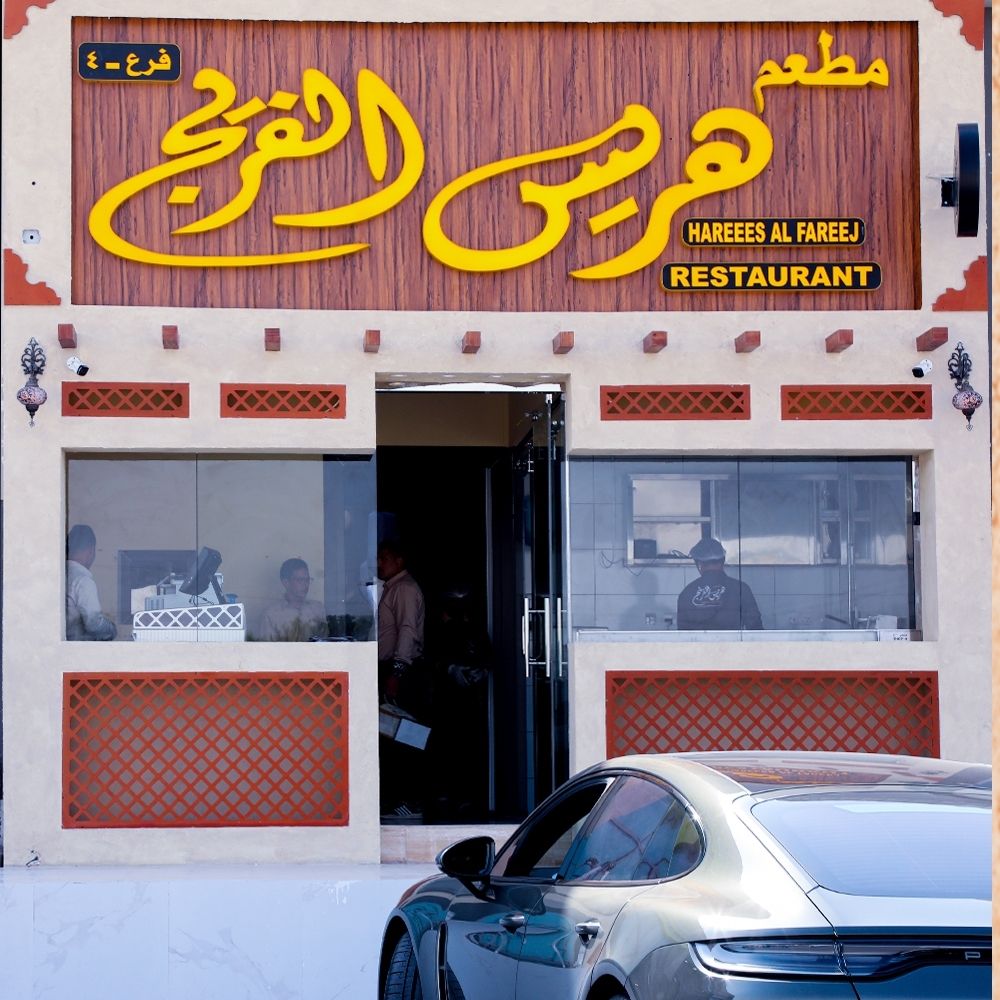
Harees
Whole wheat and lamb or chicken slow-cooked together for 6–8 hours until they become a thick, almost porridge-like consistency. Drizzled with ghee and served with bread. A Ramadan staple, and one of the most deeply comforting dishes in the Emirati repertoire.
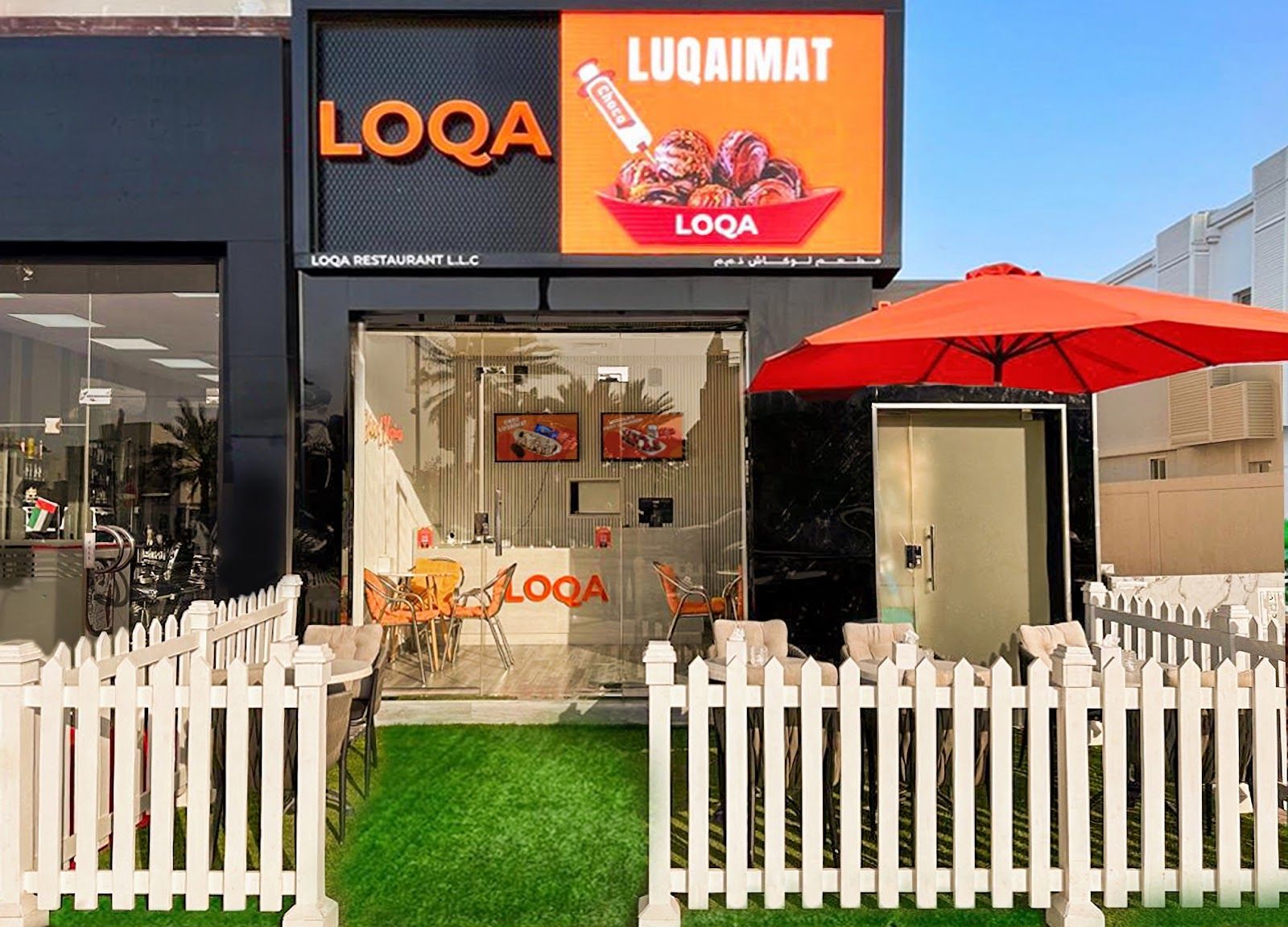
Luqaimat
The Emirati dessert that converts everyone. Crispy fried dough dumplings soaked in dark date syrup and scattered with sesame seeds. Served warm. Addictively sweet and satisfying — the Emirati answer to churros or doughnuts, and considerably better than either.
Balaleet
The dish that surprises every first-timer. Sweet saffron-scented vermicelli noodles topped with a fried or scrambled egg. The sweet-savoury combination is genuinely unusual and absolutely delicious — a classic Emirati breakfast dish that you'll think about long after leaving Dubai.
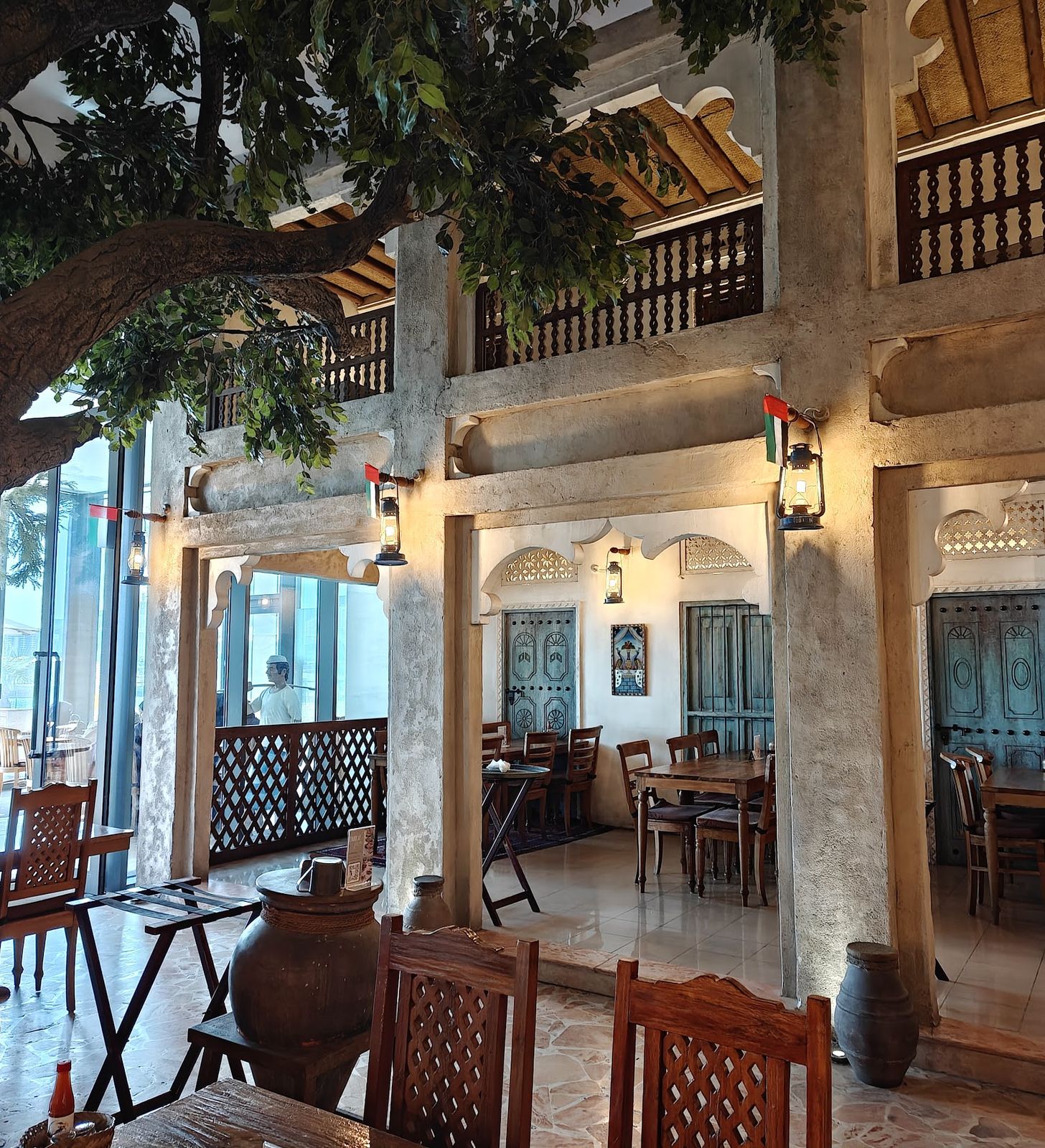
Jasheed
A dish of dried, shredded fish (typically dried shark or kingfish) mixed with rice, onions, and spices. Deeply savoury with an almost fermented complexity. The dish of pearl divers — intensely flavoured and providing enough energy for a day at sea. An acquired taste that's worth acquiring.
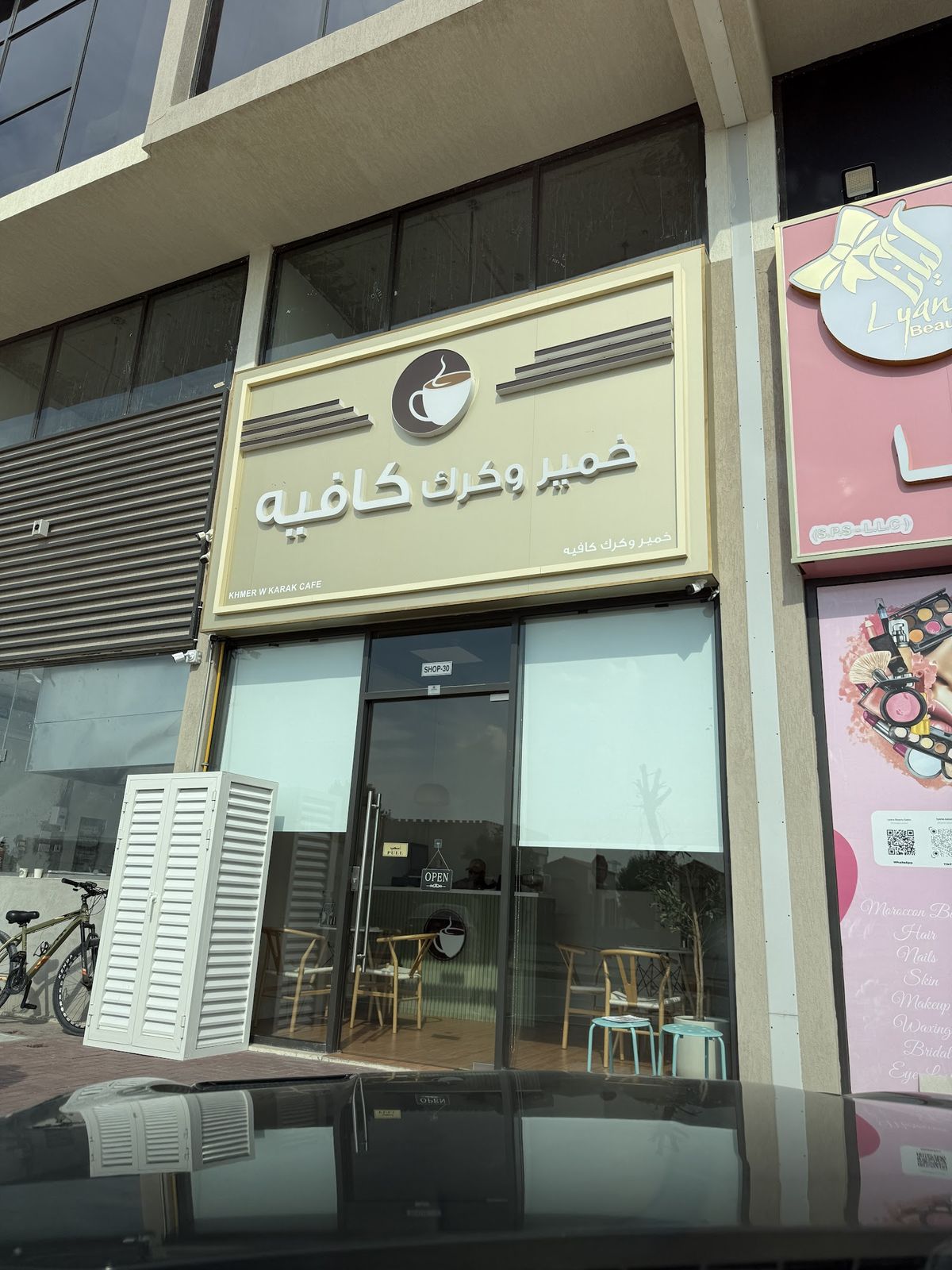
Khameer
Traditional Emirati leavened flatbread with a slightly sweet, enriched character. Served warm with date syrup, honey, or cream cheese. Logma serves the definitive version, baked fresh and arriving at the table hot enough to melt butter immediately. The perfect Emirati breakfast base.
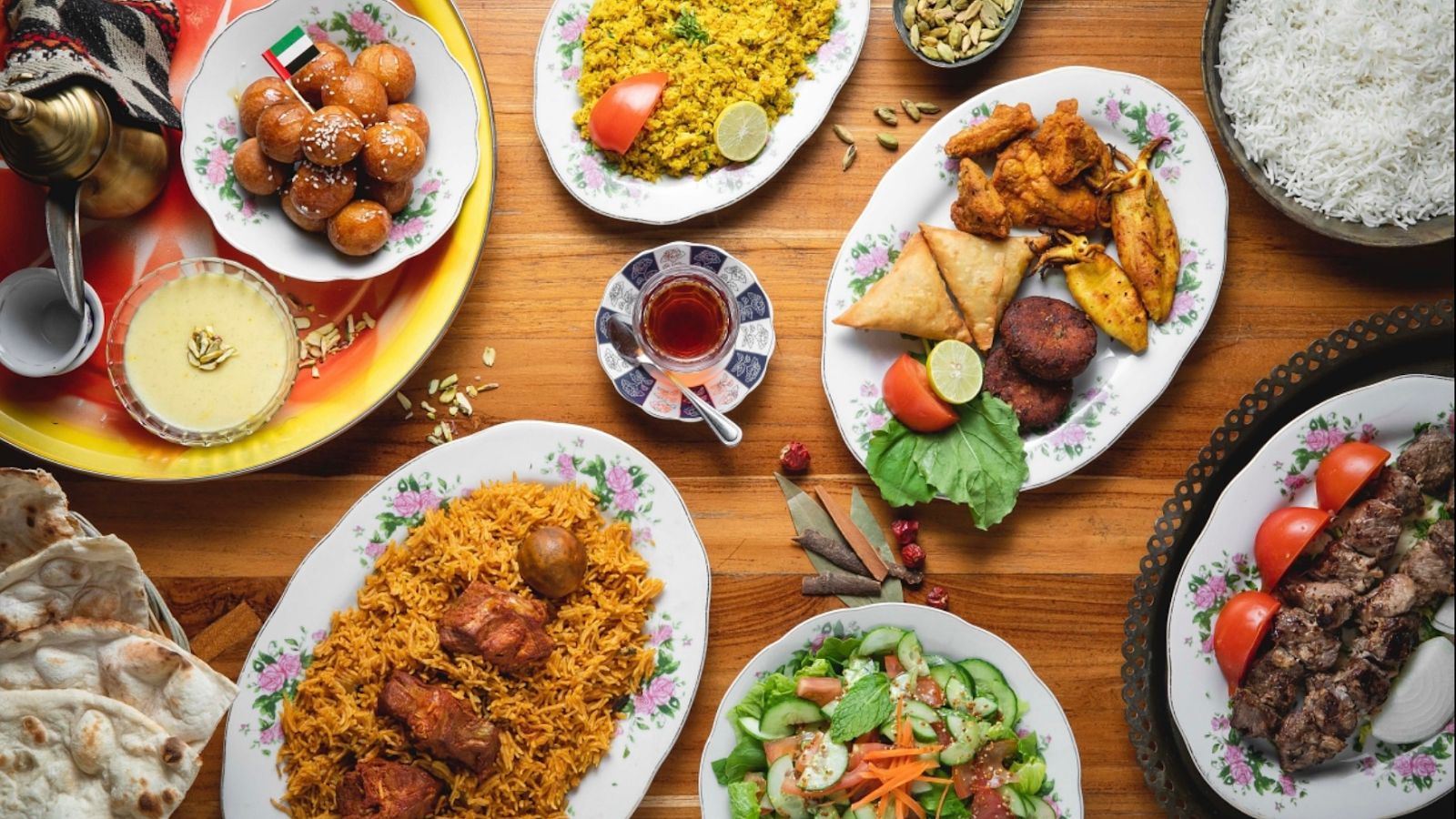
The Emirati Food Occasion Guide
Emirati food is deeply tied to occasions and seasons. Understanding when and why certain dishes are eaten transforms eating Emirati food from a tourist experience to a cultural one.
| Occasion | Traditional Dishes | Where to Experience It |
|---|---|---|
| 🌙 Ramadan Iftar | Harees, dates, laban (buttermilk), Jareesh, soups, Luqaimat | Al Hadheerah tent; most hotel Iftar buffets |
| 🌙 Ramadan Suhoor | Balaleet, Khameer bread, eggs, dates, Arabic coffee | Al Fanar (open until very late during Ramadan) |
| 🎊 National Day (Dec 2) | Whole roasted lamb (Ouzi), Machboos, traditional sweets | Special menus at Al Fanar and Logma |
| ☀️ Daily Breakfast | Khameer, Balaleet, Chebab (Emirati pancakes), Chai Karak | Logma (all locations), Al Fanar |
| 🍽️ Family Celebration | Machboos, Ouzi (slow-roasted lamb on rice), dessert spread | Al Hadheerah at Bab Al Shams (private dining) |
The Best Emirati Restaurants in Dubai
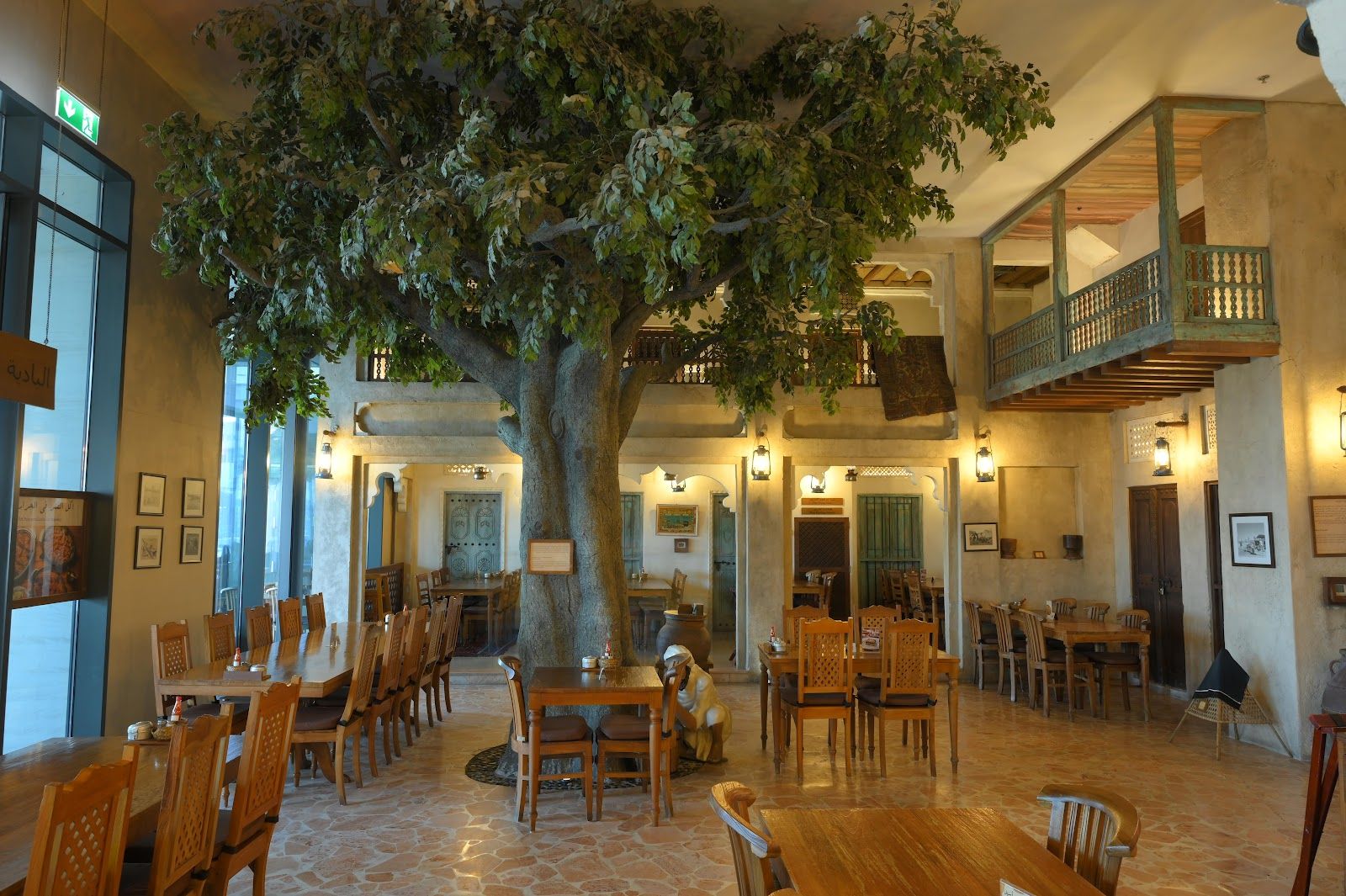
Al Fanar Restaurant & Café
The restaurant to visit if you can only visit one Emirati restaurant in your entire time in Dubai. Al Fanar recreates a 1960s Dubai neighbourhood in extraordinary detail — pearl diving equipment on the walls, antique radios, sepia photographs, fishing nets as ceiling decorations — and serves food that genuinely celebrates Emirati culinary heritage. The Harees is peerless. The Machboos Al Laham (spiced lamb rice) is definitive. The Luqaimat dessert is the one dish we've never seen rejected by a single visitor. Reserve at least a week ahead for weekends; the breakfast menu (served until noon) is one of the finest in the city.
Book a Table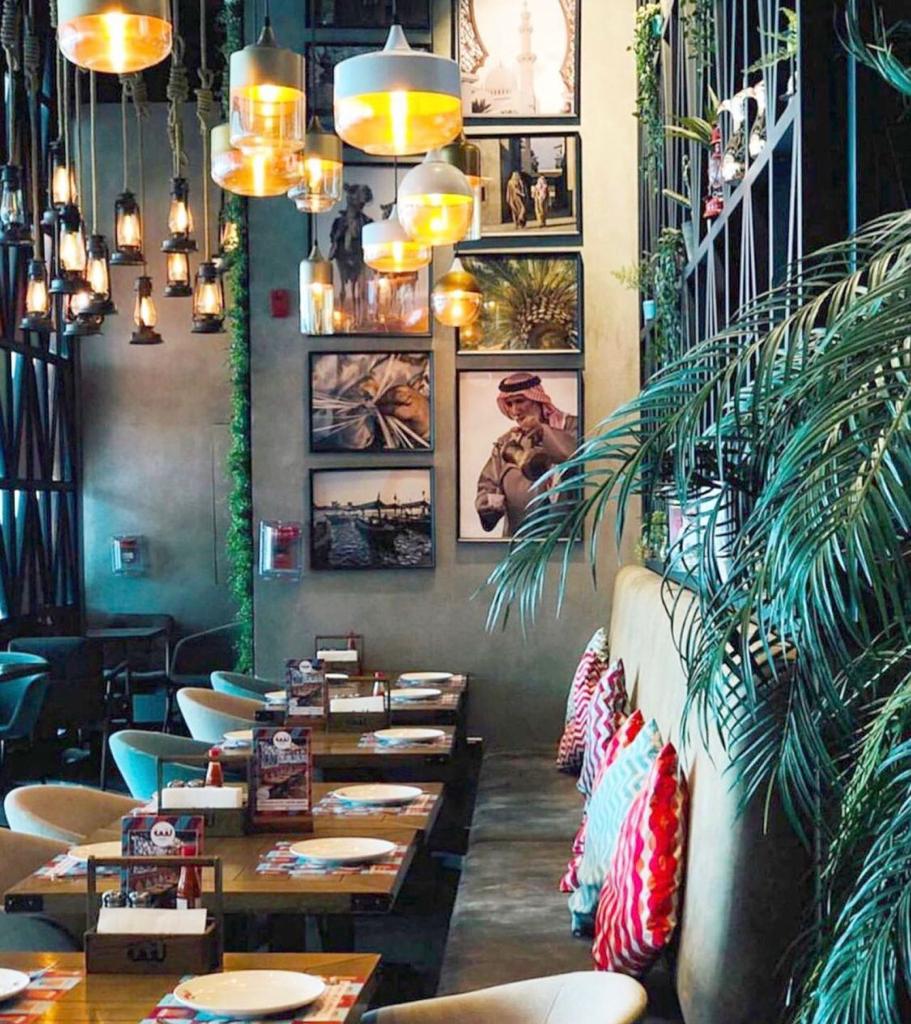
Logma
The contemporary Emirati restaurant that young UAE nationals actually choose for themselves, which is the most authentic endorsement imaginable. Logma takes traditional Emirati flavours and reworks them into a modern café format without losing what makes those flavours special. The Balaleet (sweet vermicelli with egg) is the dish that converts every visitor to Emirati breakfast food. The Chai Karak is the finest version in the city. The weekend brunch — Emirati dishes served family-style with unlimited Karak chai — is one of Dubai's great casual dining experiences. Multiple convenient locations, friendly service, and an all-day menu make Logma uniquely flexible.
Book a Table
Al Hadheerah — Bab Al Shams Desert Resort
The most theatrical Emirati dining experience in the UAE. Al Hadheerah is an open-air Emirati village restaurant in the desert, roughly 45 minutes from Dubai, where the dining experience includes live oud music, falconry displays, camel rides, henna artists, and a traditional food village spread around a central stage. The food — a lavish buffet of Emirati classics including multiple Machboos varieties, Harees, whole roasted lamb, Emirati breads, and a dessert spread of Luqaimat and Um Ali — is genuinely excellent for a large buffet concept. The setting, under Arabian stars, is irreplaceable. Worth the trip for special occasions, first-time visitors, and anyone who wants to understand what Emirati hospitality feels like at its most generous.
Book a TableThe Emirati Eating Day: A Meal-by-Meal Guide
🌅 A Day of Emirati Food in Dubai
Emirati Food Etiquette: What You Need to Know
Understanding the cultural context around Emirati food will dramatically enrich your experience at Emirati restaurants and in Emirati homes.
The most important thing: accepting food and hospitality is an act of respect. When offered Arabic coffee (qahwa) or dates, accepting them — even if you've just eaten — honours your host. The traditional way to indicate you're done with qahwa is to gently tilt or shake the small cup (finjan) from side to side; your host will stop pouring.
Traditional Emirati meals are served communally from shared platters. It's customary to eat with the right hand. At formal gatherings, there's traditionally no alcohol, and halal dietary requirements are universal. At heritage restaurants like Al Fanar, the experience is already adapted for visitors — just be respectful, dress modestly, and allow the meal to unfold at its natural pace.