Bur Dubai is where Dubai's soul lives. While new Dubai glistens with glass towers and celebrity chefs, this ancient district on the western bank of Dubai Creek has been feeding people with passion and honesty for over a century. The aromas alone — cumin from the curry houses, cardamom from the chai shops, charcoal from the shawarma stands — hit you the moment you step out of the metro.
This is the district that most long-term expats and knowledgeable food lovers gravitate toward when they want real food at real prices. The best biryani in Dubai is here. The most atmospheric lunch spot in the whole city — XVA Cafe tucked inside a converted wind-tower house — is here. The only place in Dubai where an Emirati grandmother's recipe for harees and balaleet is served with genuine reverence is here.
Bur Dubai rewards slow exploration. This guide covers every sub-neighbourhood, every cuisine worth knowing about, and the specific dishes that make the journey worthwhile.
The Neighbourhoods of Bur Dubai
Bur Dubai is not a single neighbourhood — it's a patchwork of distinct communities, each with its own culinary personality.
Al Fahidi (Bastakiya)
Dubai's oldest neighbourhood, preserved heritage district with wind-tower architecture. Home to Arabian Tea House, XVA Cafe and atmospheric courtyard dining. Best for heritage experiences and Emirati food.
Meena Bazaar
The heart of Dubai's South Asian community. Packed with curry houses, biryani shops, mithai (sweet) stalls and dhabas serving North Indian and Pakistani classics. Extraordinarily cheap and delicious.
Bur Dubai Souk Area
The waterfront strip along the Creek, home to traditional restaurants, shawarma stands, and juice bars. The abra (water taxi) dock adds wonderful atmosphere to any meal in this zone.
Mankhool & Oud Metha
Residential streets east of the main tourist zone, packed with family-run Indian, Pakistani and Sri Lankan restaurants alongside a few decent mid-range options. Less touristy, better value.

Why Bur Dubai Eats So Well
The answer lies in immigration. From the 1960s onwards, waves of workers from India, Pakistan, Iran and Sri Lanka settled in Bur Dubai, bringing with them their home cuisines. Without the money to eat at restaurants, they cooked. When they eventually opened restaurants, they cooked the way their mothers had taught them — not for tourists, but for their own communities.
That authenticity persists today. The owner of a Meena Bazaar curry house may well have learned to make dal makhani from his father in Lahore. The Iranian who runs the local kebab shop has been using the same marinade since he arrived in Dubai in 1988. These places aren't performing authenticity — they're just cooking what they know, for the people who know it best.
The Best Cuisine Types in Bur Dubai

Indian & Pakistani
The dominant cuisine. From rich Mughal curries and charcoal tandoor breads to street-style chaat and Pakistani karahi — this is where to eat South Asian food in Dubai.
Emirati Heritage
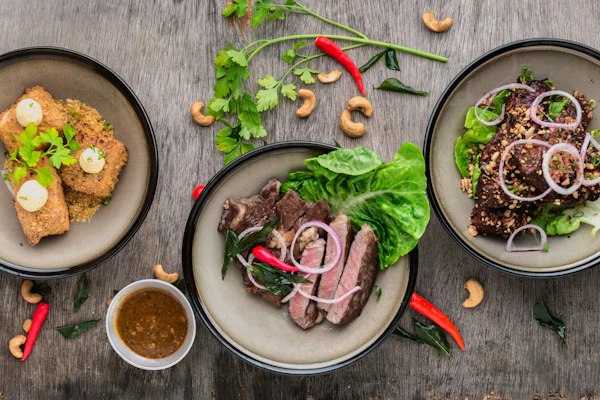
Arabian Tea House and Al Fanar preserve authentic Emirati flavours — harees, balaleet, machboos rice, luqaimat doughnuts and camel milk karak chai.
Iranian Cuisine
Special Ostadi has been the benchmark for Iranian food in Bur Dubai for decades. Aromatic rice dishes, slow-braised stews and charcoal kebabs on skewers as long as your arm.

Sri Lankan
Surprisingly strong showing in Mankhool and Oud Metha — devilled chicken, string hoppers, kottu roti and fiery coconut-based curries at genuinely low prices.

Arabic Street Food
The Creek waterfront has some of the best shawarma, falafel wraps and fresh juice stalls in Dubai. Order a mixed grill and watch the abras cross the water.

Heritage Cafes
XVA Cafe and Arabian Tea House offer courtyard dining inside restored wind-tower buildings. The food is excellent, but the atmosphere is unmatched anywhere in Dubai.
Must-Eat Dishes in Bur Dubai
The Bur Dubai Eating List

Top Restaurants in Bur Dubai

Arabian Tea House
Dubai's most atmospheric restaurant by a significant margin. Set in a lovingly restored 100-year-old wind-tower house in Al Fahidi, with a shaded courtyard strung with lanterns and populated by cats. The Emirati breakfast — balaleet (sweet vermicelli with eggs), chebab pancakes with date syrup, and karak chai — is a near-religious experience. The lunch mezze platter and grilled meats are equally excellent. Book ahead for weekends.
XVA Cafe
Hidden inside XVA Art Hotel, one of the most beautiful buildings in all of Dubai. The courtyard is canopied and cool even in summer, surrounded by gallery walls, climbing plants and antique lanterns. The food is excellent modern Middle Eastern — excellent mezze, inventive salads, flavoursome tagines — but it's the setting that makes this essential. The zaatar flatbread alone is worth the trip across town.
Sind Punjab Restaurant
A Dubai institution with no airs whatsoever — plastic chairs, bright lights, laminated menus and some of the most deeply satisfying North Indian and Pakistani food in the emirate. The mutton karahi and seekh kebabs are the draw, but don't overlook the dal makhani, which simmers for 24 hours on a slow flame. Lunch here costs less than a coffee in DIFC. Go hungry, bring cash, arrive early.
Special Ostadi Restaurant
One of Dubai's oldest surviving restaurants, Special Ostadi has been serving authentic Persian food since 1978. The Chelo Kabab — long skewers of minced lamb or chicken with saffron rice and grilled tomato — remains the signature dish. The stews (khoresh) are remarkable: fesenjan with pomegranate and walnut, ghormeh sabzi with herbs and dried limes. This is Iranian home cooking raised to its highest form.
Gazebo Restaurant
The most polished Indian restaurant in the Bur Dubai area — proper air conditioning, attentive service and a menu that does justice to every region of the subcontinent. The dum biryani (seal-cooked for two hours) is among the best in Dubai. The slow-braised lamb shanks in Kashmiri masala and the butter chicken made with real tomatoes (not paste) are both essential. A step up from the dhabas without the eye-watering prices of uptown Indian restaurants.
The Bur Dubai Food Walk
If you only have one afternoon to eat your way through Bur Dubai, this is the route taken by every serious food lover in the city.
🚶 The Classic Bur Dubai Food Walk
Bur Dubai by Budget
Sind Punjab Restaurant
The gold standard for affordable Pakistani-Indian food. Mutton karahi AED 45, naan AED 3. No atmosphere, all flavour. Cash only.
Meena Bazaar Street Vendors
Pani puri, bhel puri, vada pav, fresh juices and mithai. Budget AED 10–20 for a full street snack tour. Best between 4–8pm.
Al Ustad Special Kabab
Iranian kebab house with sensationally good charcoal-grilled meats. Full meal under AED 40. BYOB not applicable — but the doogh (yogurt drink) is perfect anyway.
Arabian Tea House
Emirati heritage dining in Al Fahidi. Breakfast AED 60–85. Lunch AED 80–120. Atmosphere priceless. Book weekends in advance.
Special Ostadi Restaurant
Persian classics since 1978. Full chelo kabab meal with stew and rice AED 70–90. The fesenjan is worth travelling across the city for.
Gazebo Restaurant
The most complete Indian menu in Bur Dubai. Dum biryani for two AED 90. Great service. Dinner with soft drinks AED 100–130.

Dining by Occasion in Bur Dubai
Heritage Experience
Nothing in Dubai matches a slow lunch at Arabian Tea House or XVA Cafe. Book ahead, wear comfortable shoes and plan to stay two hours.
Pick: Arabian Tea House, Al FahidiBudget Feast
A group of four can eat extraordinarily well in Meena Bazaar for under AED 40 per head. Order family-style at Sind Punjab.
Pick: Sind Punjab, Meena BazaarEmirati Food
Al Fanar and Arabian Tea House are both in Bur Dubai. This is the best area in Dubai to taste genuine Emirati cuisine.
Pick: Al Fanar Restaurant & CafeDate Night
XVA Cafe's candlelit courtyard is genuinely romantic. Go for dinner, stroll through Al Fahidi after, finish with dessert at Arabian Tea House.
Pick: XVA Cafe, Al FahidiFamily Dining
Gazebo is the most family-friendly Indian restaurant in the area — spacious, menu for all ages, reliably good food and fair prices.
Pick: Gazebo Restaurant, MankhoolSolo Foodie Exploration
Grab a pani puri in Meena Bazaar, ride the abra for AED 1, have a solo lunch at XVA, and spend the afternoon eating your way through the souk.
Pick: Self-guided food walkBur Dubai transforms spectacularly during Ramadan. The streets fill with Iftar setups at sunset, and the traditional restaurants serve their most authentic food. Arabian Tea House does a beautiful Emirati Iftar spread for AED 120 per person. The night bazaar atmosphere after Iftar is unlike anything else in Dubai.
Bur Dubai Dining: Frequently Asked Questions
What is the best restaurant in Bur Dubai?
Arabian Tea House in Al Fahidi is the most beloved restaurant in Bur Dubai, serving traditional Emirati food and Arabic tea in a stunning courtyard setting. For Indian food, Gazebo is the neighbourhood stalwart, while XVA Cafe offers the most atmospheric lunch in the entire city. For pure value, nothing in Dubai matches the legendary mutton karahi at Sind Punjab in Meena Bazaar.
Is Bur Dubai good for food?
Bur Dubai is one of Dubai's greatest eating destinations, especially for those who love Indian, Pakistani, Sri Lankan and Emirati food. The area is packed with authentic, no-frills restaurants serving incredible food at a fraction of the prices you'd pay in DIFC or Downtown. The Al Fahidi area also has some of Dubai's most atmospheric cafes and heritage dining experiences.
How much does food cost in Bur Dubai?
Bur Dubai is one of the most affordable dining areas in Dubai. A full meal at a Meena Bazaar dhaba or curry house costs AED 25–50 per person. Mid-range sit-down restaurants like Gazebo or Special Ostadi cost AED 80–150 per person. Heritage cafes like Arabian Tea House or XVA run AED 80–120 for lunch.
What food is Bur Dubai famous for?
Bur Dubai is famous for its Indian and Pakistani food — particularly Meena Bazaar's curry houses, biryani shops and street snacks. It's also home to some of Dubai's best Emirati food (Arabian Tea House, Al Fanar), Iranian cuisine (Special Ostadi), and Sri Lankan restaurants.
Is there parking in Bur Dubai for restaurants?
Parking in Bur Dubai is limited but the area is very well served by the Dubai Metro (BurJuman and Al Fahidi stations) and taxis. We strongly recommend arriving by metro — it also means you can drink at heritage area cafes without worrying about driving. The walk from BurJuman Metro to Al Fahidi takes about 12 minutes and passes through fascinating streets.
The Dubai Fork
Every week: the best new openings in Bur Dubai, hidden gems, reader picks, and what to eat right now.
⚡ Hidden gems delivered before they go viral — join 12,000+ Dubai food lovers.