Dubai's East African food scene is larger, more varied, and more deeply embedded than most people realise. Ethiopian restaurants get the most attention — and deservedly so — but the city also has a significant Somali community in Bur Dubai, Eritrean-owned cafes in Deira, and Sudanese canteens scattered across Al Qusais and International City. Together, these cuisines form one of the most rewarding areas of exploration in Dubai's food landscape: affordable, generous, and almost entirely off the tourist radar.
The Four Major East African Cuisines in Dubai
Ethiopian
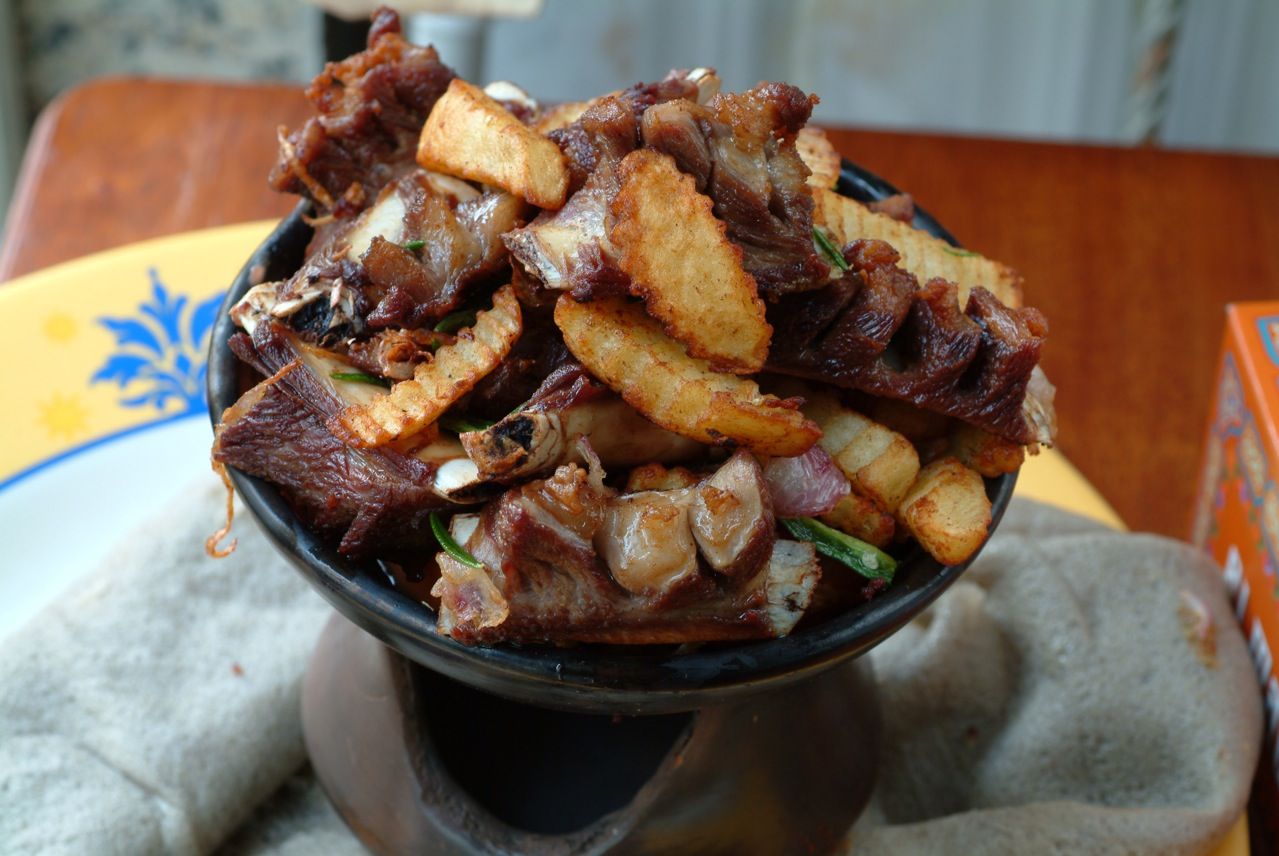
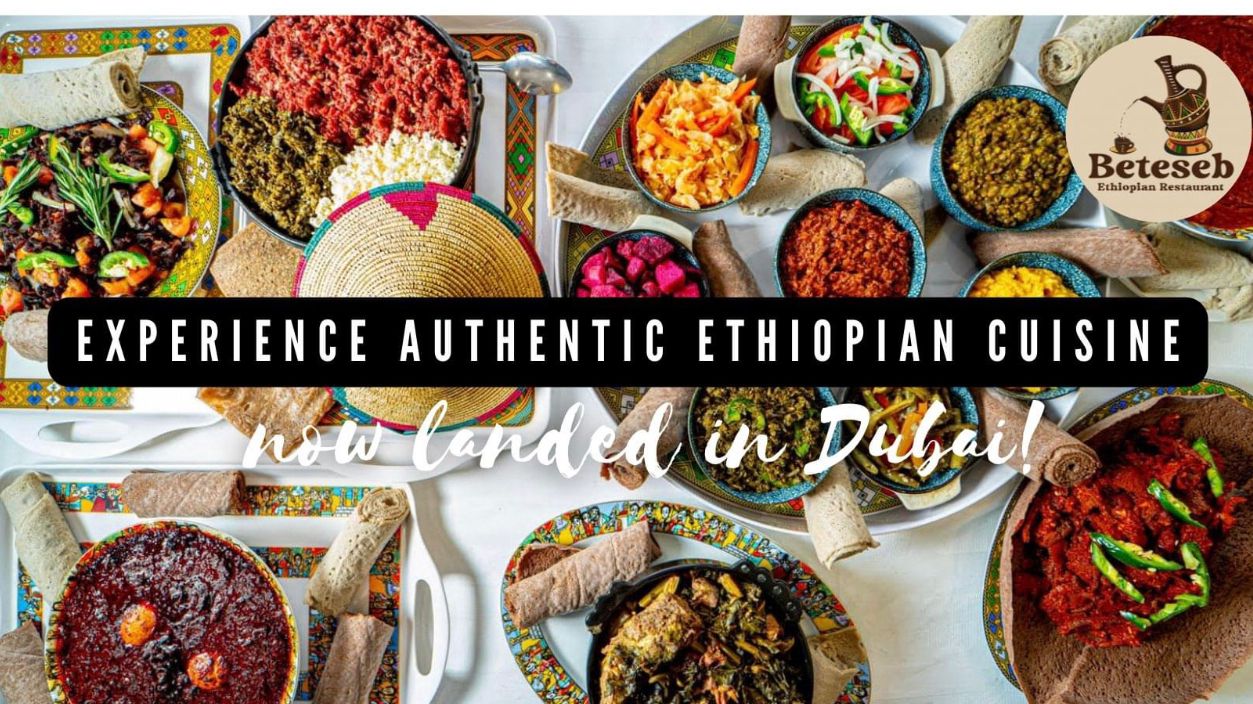
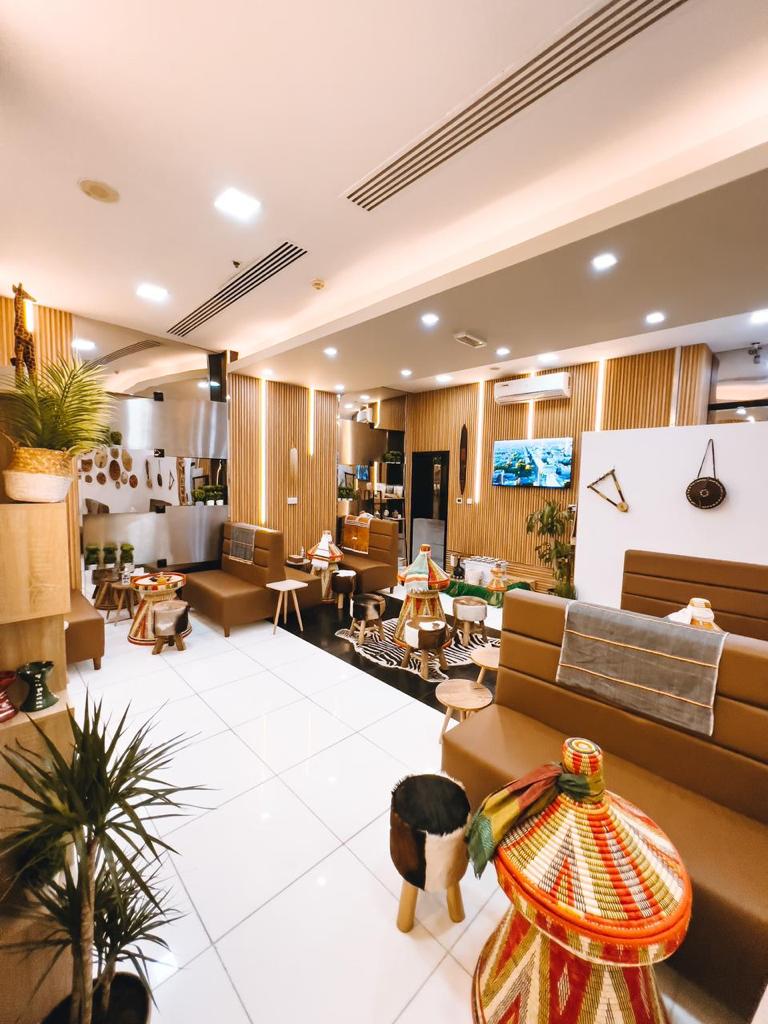
The largest East African food presence in Dubai. Built around injera (teff flatbread), slow-cooked stews (doro wat, tibs, misir), and the famous coffee ceremony. Restaurants in Bur Dubai, Al Qusais, and Deira. Budget AED 30–90 per head.
Somali
Rice-centred cuisine with Indian Ocean influences. Distinguished by xawaash spice blend, suqaar (spiced meat), bariis (fragrant rice), and camel milk. Heavier in spice aromatics than heat. Find it in Bur Dubai (Al Fahidi) and Al Qusais. Budget AED 20–55 per head.
Eritrean
Shares injera and most dishes with Ethiopia (Eritrea was part of Ethiopia until 1991). Distinct touches include more Italian-influenced dishes (pasta, espresso), slightly less spice, and zigni (Eritrean beef stew). Deira has the best Eritrean options. Budget AED 30–65 per head.
Sudanese
Stew-heavy cuisine using okra, peanut, and lamb bases. Famous for ful (fava beans) as a breakfast staple, asida (thick porridge with meat sauce), and kisra (fermented sorghum flatbread). International City and Al Qusais. Budget AED 15–40 per head.
Ethiopian Food in Dubai
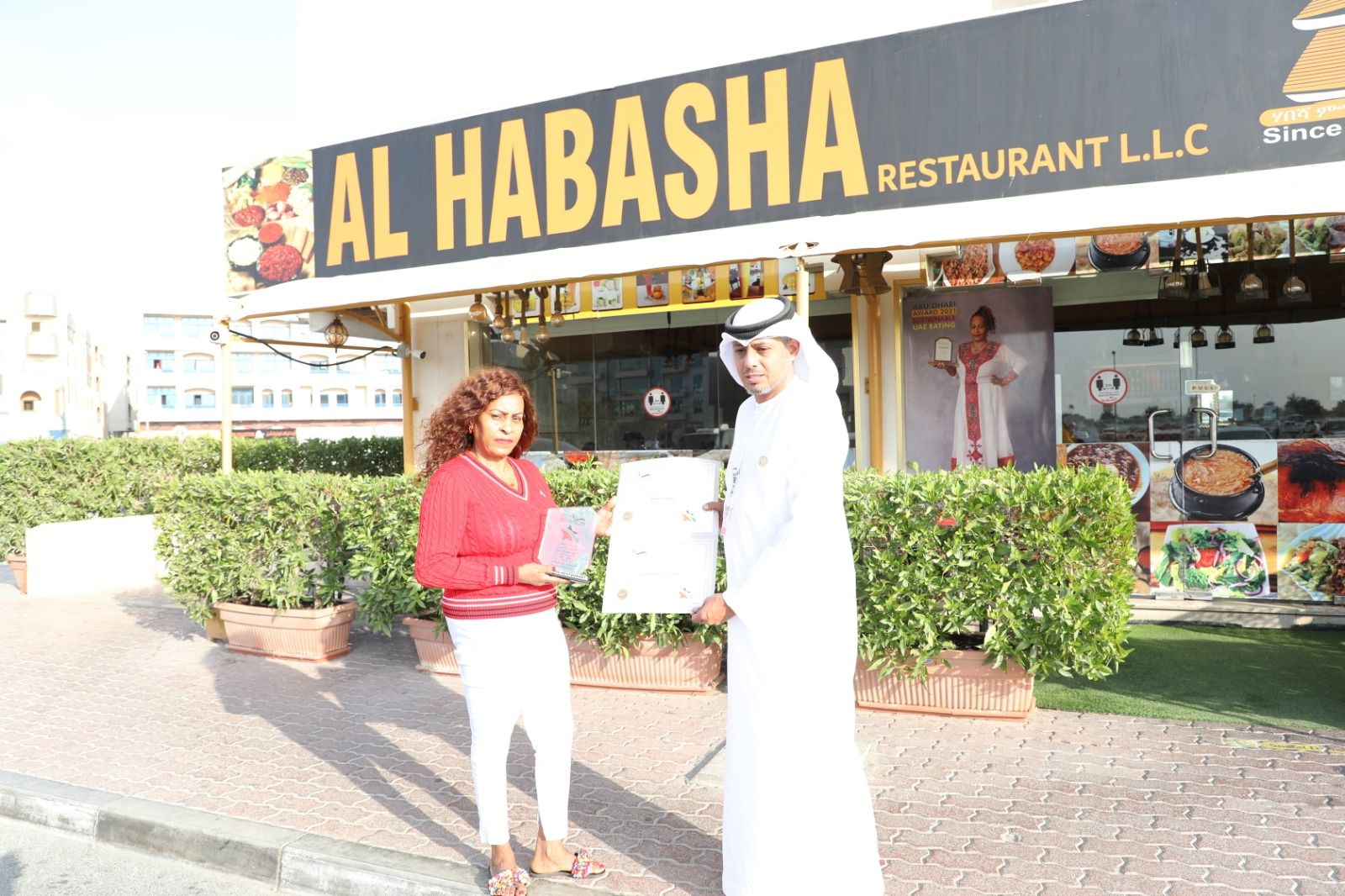
Ethiopian is the most developed East African food scene in Dubai, and we've covered it extensively. The highlights: Habesha Restaurant in Bur Dubai is the best overall, Addis Ababa Kitchen in Al Qusais offers the best value, and Queen of Sheba in Karama gives you the most atmospheric experience. For a full breakdown, read our complete Ethiopian food guide.
What's important to understand about Ethiopian food in the broader East African context: the injera tradition, the communal eating style, and the coffee ceremony are specific to Ethiopia and Eritrea. Somali and Sudanese cuisines have entirely different structures — rice-and-stew rather than bread-and-stew, individual plating rather than shared spreads. Don't expect injera at a Somali restaurant.
Somali Food in Dubai: The Hidden Scene
Dubai's Somali community is substantial — estimates range from 15,000 to 30,000 residents — and their food has been feeding the community in Bur Dubai for decades without ever becoming a tourist attraction. This is a feature, not a bug. The Somali restaurants clustered around Al Fahidi and Meena Bazaar serve food that is direct, generous, and unfussy in the best way.
Key Somali Dishes to Know
Suqaar — Spiced, stir-fried meat (usually beef or goat) with onions, peppers, and xawaash. Eaten with rice or canjeero (Somali flatbread). The most common everyday Somali dish. AED 25–45 at most Bur Dubai spots.
Bariis isku-karis (Somali rice) — Long-grain rice cooked in a richly spiced broth with raisins and caramelised onions, served alongside goat or lamb. Shows the Indian Ocean spice trade influence clearly — clove, cardamom, cinnamon. AED 30–55 per portion.
Canjeero — Somali sourdough flatbread, thinner and more flexible than Ethiopian injera. Slightly sour, eaten with honey for breakfast or suqaar for dinner. A revelation if you approach it on its own terms.
Malawah — Layered, flaky Somali flatbread fried in ghee. Crispy on the outside, yielding inside. Eaten sweet (with honey and tea) or savoury. The Somali answer to paratha, and one of the great street breads of the Indian Ocean world.
Camel meat — Several Somali restaurants in Bur Dubai serve camel — slow-cooked in stew, or as suqaar. The flavour is between beef and lamb: gamier, richer. Not widely available elsewhere in Dubai outside Emirati restaurants.
The best Somali spots in Dubai are not glamorous — most are simple canteen-style spaces with fluorescent lighting and plastic tables. The food more than compensates. Look for places in the Al Fahidi neighbourhood of Bur Dubai where Somali-owned restaurants operate alongside Ethiopian ones. Budget AED 20–45 per person for a full meal.
Eritrean Food in Dubai
Eritrean restaurants in Dubai are fewer in number but occupy an interesting cultural position. Eritrea was part of Ethiopia until independence in 1991, and the two cuisines share a substantial overlap — injera, doro wat, tibs, coffee ceremony — with distinctive differences that reflect Eritrea's Italian colonial history (1890–1941). You'll find pasta on Eritrean menus, espresso served properly, and a slightly lighter approach to spicing.
The key Eritrean-specific dishes to seek out include zigni (a distinctive Eritrean beef stew with berbere that's slightly drier than Ethiopian doro wat), hilbet (a paste of lentils and fenugreek, eaten with injera), and shiro (ground chickpea sauce that Eritreans often prepare differently from Ethiopian versions). Deira is the best area to find Eritrean-owned restaurants in Dubai, several of which also serve Italian espresso drinks alongside traditional coffee.
Sudanese Food in Dubai
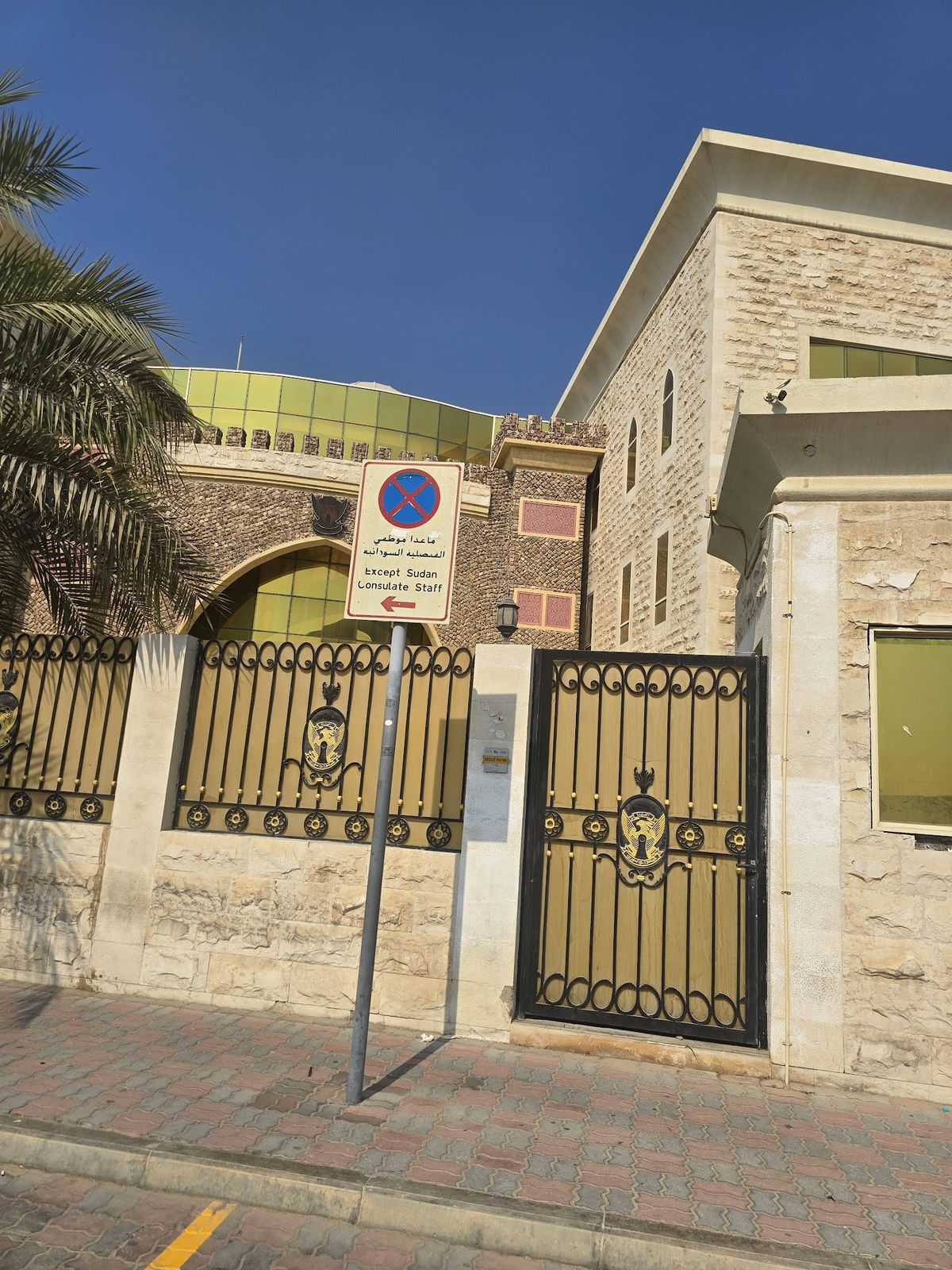
Sudanese food is the most underrepresented East African cuisine in Dubai, which makes it the most rewarding to hunt down. The Sudanese community in Dubai is concentrated in Al Qusais and International City, and several Sudanese-run restaurants serve food that's entirely unfamiliar to most Dubai diners — which makes it all the more exciting.
Sudanese cuisine is built around ful medames (slow-cooked fava beans with oil and spices — a breakfast across North Africa and the Middle East, but the Sudanese version has particular character), asida (a thick porridge made from sorghum or wheat, served with meat and vegetable sauces in the style of West African fufu), and kisra (a fermented sorghum flatbread, crepe-thin, eaten with stews). Lamb and goat dominate the protein side; peanut and okra feature heavily in the sauces.
Budget AED 15–40 per person at Sudanese canteens — these are among the cheapest and least touristy restaurants in the entire city. Finding them requires slightly more effort (they're rarely on Google Maps with complete information) but asking locals in Al Qusais or International City will yield recommendations.
The Best Neighbourhoods for East African Food
Bur Dubai (Al Fahidi & Meena Bazaar)
Ethiopian Somali EritreanThe highest concentration of East African restaurants in Dubai. Ethiopian and Somali restaurants operate side by side in the streets around Al Fahidi Fort and Meena Bazaar. This is the area to explore on foot — walking through these streets you'll encounter injera smells, Somali suqaar aromas, and coffee ceremony smoke within a 200-metre radius.
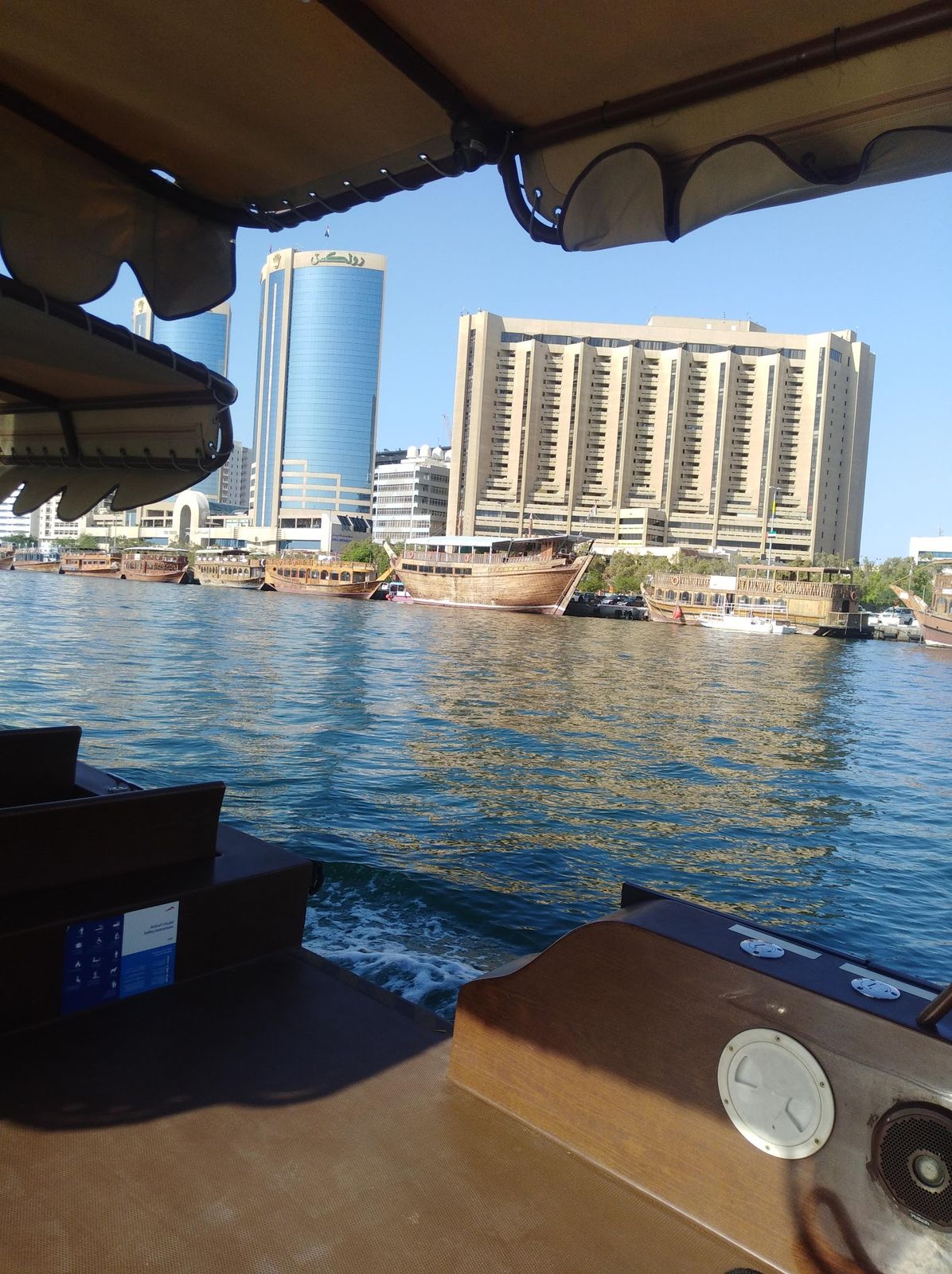
Best visited on a weekday evening when restaurants are at full operation. The area is near the Dubai Museum and the waterfront abra crossing.
Al Qusais
Ethiopian SudaneseA residential suburb with a high concentration of South Asian and East African residents. Addis Ababa Kitchen (our top-value Ethiopian recommendation) is here, alongside several Sudanese spots. Less scenic than Bur Dubai but the food is often more authentic — these restaurants serve their community, not visitors.
Deira
Ethiopian EritreanDubai's oldest commercial district has a scattering of East African restaurants, particularly Eritrean-owned spots near Union Square and the gold souk area. The Axum Ethiopian Restaurant (our top vegetarian pick) is in Deira. Accessible by metro: Union or BaniYas Square stations.
International City
Ethiopian Sudanese SomaliThe most diverse food neighbourhood in Dubai — every cuisine imaginable at rock-bottom prices. The East African options here are budget canteens serving their specific communities. Lalibela Cafe (our budget Ethiopian pick) is here, along with several Sudanese and Somali spots. Requires a car to access; taxi or Careem recommended.
What Makes East African Food Unique in Dubai's Context
Dubai has extraordinary food diversity — over 200 nationalities make the city home — but the East African food scene occupies a specific, precious position. These restaurants are not trying to make their food palatable to a wider audience. They're not adapting spice levels or portion sizes for tourists. They're feeding their own communities, which means the food is direct, confident, and specific in a way that Dubai's more tourist-oriented restaurants rarely are.
Eating East African food in Dubai is also a lesson in how the Indian Ocean connected food cultures: Somali rice dishes show Arab and Indian influence from centuries of trade. Eritrean restaurants serve Italian pasta from colonial history. Ethiopian coffee — the drink that changed the world — is available here in its most authentic form. The food tells stories that no tourist brochure captures.
East African Food in Dubai: FAQs
Where can I find East African food in Dubai?
Bur Dubai (Al Fahidi/Meena Bazaar area) has the highest concentration of Ethiopian and Somali restaurants. Al Qusais has excellent Ethiopian and Sudanese spots. Deira has Eritrean options. International City has the broadest budget selection across all East African cuisines.
What is Somali food like?
Somali cuisine is rice-centred (unlike Ethiopian bread-centred), fragrant with xawaash spice blend (a Somali mixture of cumin, coriander, cardamom, and turmeric), and shows clear Indian Ocean trade influences. Key dishes: suqaar (spiced stir-fried meat), bariis (Somali rice), canjeero (sourdough flatbread), and malawah (layered flaky bread).
What is the difference between Ethiopian and Eritrean food?
They share most dishes — both use injera, both have doro wat-style stews and tibs. Eritrean food is slightly less spiced, includes Italian pasta and espresso influences, and features zigni (Eritrean beef stew) as a unique national dish. The cuisines diverged after Eritrean independence in 1991.
Is East African food halal in Dubai?
Yes — all East African restaurants in Dubai serve halal food. Ethiopian, Eritrean, Somali, and Sudanese cuisines are predominantly from Muslim or Orthodox Christian traditions; all meat served in Dubai is halal-certified.
How much does East African food cost in Dubai?
It's among the most affordable food in Dubai. Budget canteens in Al Qusais and International City: AED 15–35 per head. Mid-range neighbourhood restaurants: AED 40–75. Upscale options (Queen of Sheba, Horn of Africa Kitchen): AED 80–120. Ethiopian food in particular represents extraordinary value.
Essential Dishes Across East African Cuisines
| Dish | Cuisine | What It Is | Price Range (AED) |
|---|---|---|---|
| Doro Wat | Ethiopian | Slow-cooked chicken in berbere sauce with boiled egg | 45–65 |
| Injera | Ethiopian / Eritrean | Sourdough teff flatbread — plate and utensil in one | With dish |
| Tibs | Ethiopian / Eritrean | Sautéed beef or lamb with onions and peppers | 38–68 |
| Kitfo | Ethiopian | Minced raw beef with mitmita spice and spiced butter | 55–75 |
| Suqaar | Somali | Spiced stir-fried meat with xawaash, served with rice | 25–45 |
| Bariis isku-karis | Somali | Fragrant Somali rice with raisins and caramelised onion | 30–55 |
| Malawah | Somali | Layered flaky flatbread fried in ghee | 8–15 |
| Zigni | Eritrean | Spiced beef stew, Eritrean version of key wat | 40–60 |
| Ful medames | Sudanese / Ethiopian | Slow-cooked fava beans with spices and oil | 15–25 |
| Asida | Sudanese | Thick sorghum porridge with meat and vegetable sauce | 20–35 |
| Bunna | Ethiopian / Eritrean | Ethiopian coffee ceremony — three rounds in a jebena | 35–55 |