Ethiopian food is one of the great communal cuisines of the world — a meal built around sharing, around tearing injera flatbread together and scooping richly spiced stews from a common platter. In Dubai, the Ethiopian community is centred around Bur Dubai and Deira, and several excellent restaurants have established themselves quietly, without Instagram fame or tourist footfall, serving the kind of cooking that makes a meal feel like an event.
Ethiopian food in Dubai is almost universally outstanding value. A combination platter for two — injera covered with several wats (stews), tibs (pan-fried meat), and vegetable preparations — typically costs AED 70–120 and is genuinely abundant. These are restaurants where the cooking is excellent, the portions are large, the atmosphere is warm, and you rarely see anyone who isn't Ethiopian unless they've been recommended the place by someone who knows what they're doing.
This guide covers everything: the essential dishes, the best restaurants, what to order, how to eat it, and why Ethiopian food pairs particularly well with Dubai's communal dining culture. Whether you're completely new to the cuisine or a regular seeking new spots, this is where to start.
Understanding Injera: The Foundation of Ethiopian Food
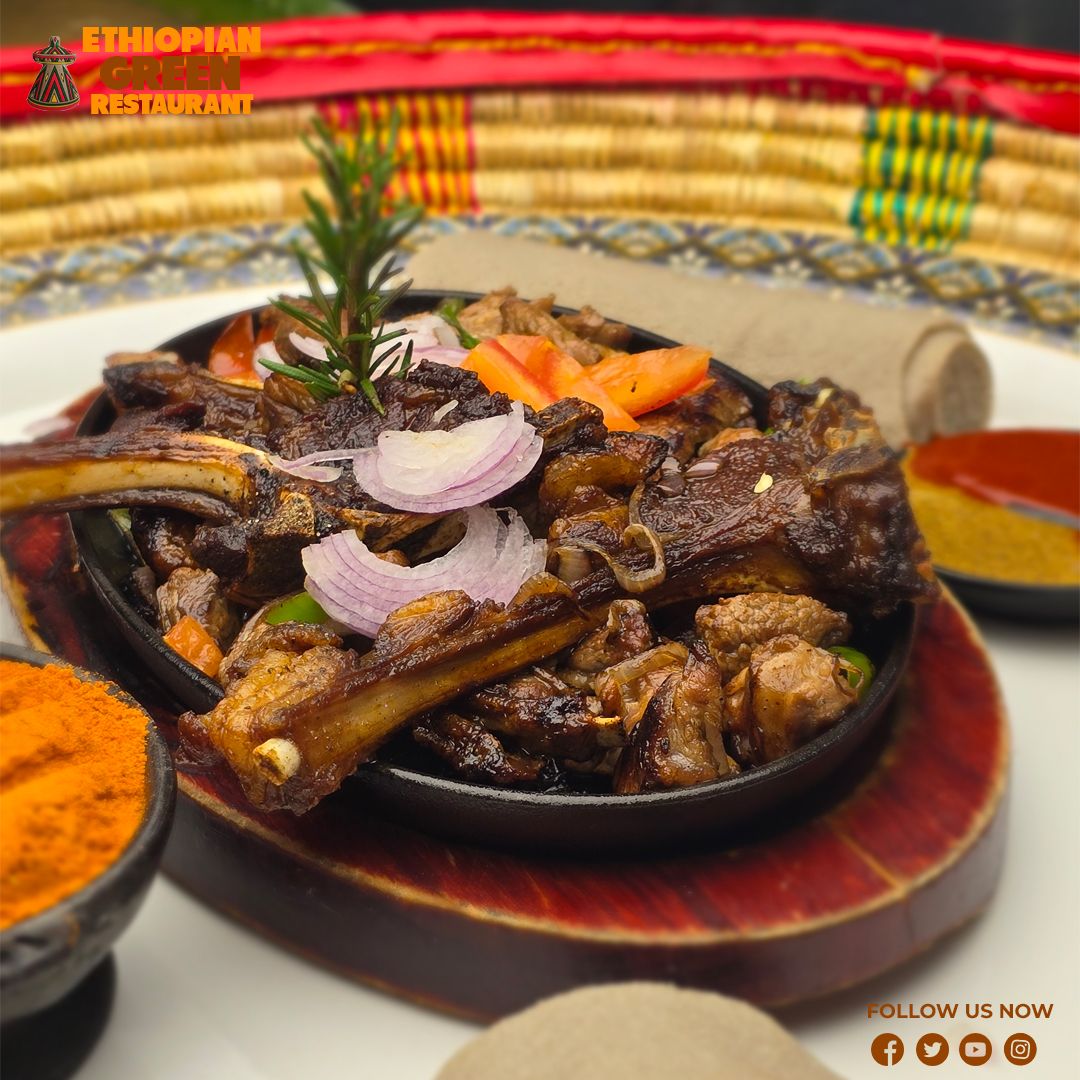
Injera is the spongy, sourdough flatbread made from teff — an ancient Ethiopian grain — that forms the basis of every Ethiopian meal. It is large, soft, and covered with small holes created by fermentation bubbles. When a meal is served, the injera acts as the plate: stews (wats) and salads are arranged on top of it, and you eat by tearing off pieces of injera and using them to scoop up the food.
The sourness of injera is not incidental — it is the flavour that gives Ethiopian food its character, the acid against which the richness of the berbere-spiced wats and the fat of the clarified nit'ir qibe butter register. A good injera has a pronounced tang, a slightly spongy texture, and enough structural integrity to scoop without tearing. A bad injera is thick, bland, and grey. In Dubai, Habesha Restaurant and Queen of Sheba both make theirs in-house daily, and it shows.
Eating with your hands is normal and expected. In fact, it is how the food is designed to be eaten — the warmth of your fingers helps soften the injera as you tear it, and the combination of touch and taste is part of the experience.
Must-Try Dishes
Doro Wat
Slow-cooked chicken in a dark, fiery berbere sauce with a whole hard-boiled egg. The national dish of Ethiopia. AED 38–52.

Tibs
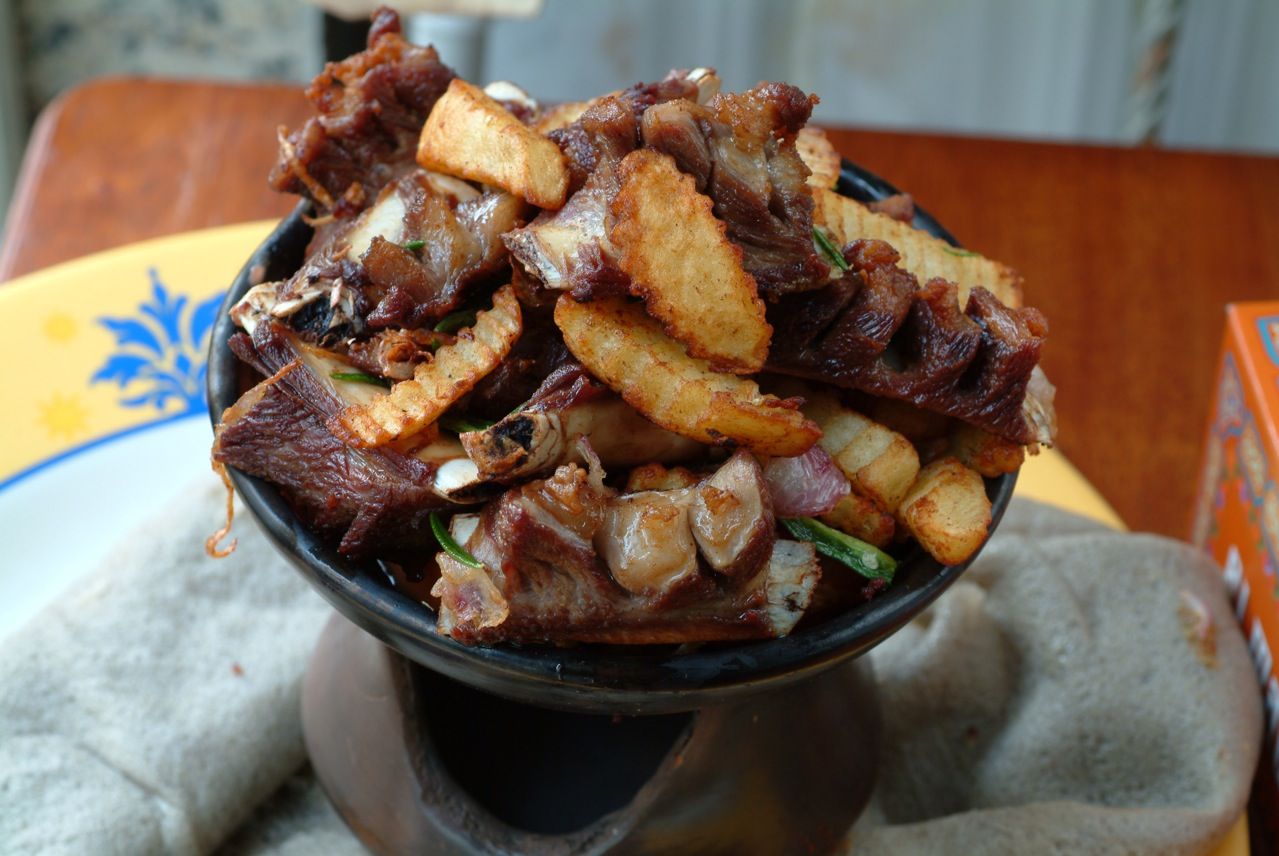
Sautéed beef or lamb with onions, green pepper, and rosemary. Crispy-edged and aromatic. Several heat levels. AED 32–48.
Kitfo
Ethiopian steak tartare — minced beef seasoned with nit'ir qibe and mitmita spice. Served raw (lebleb) or medium-cooked (leb leb). AED 42–58.
Shiro
A thick, velvety stew made from spiced chickpea or bean flour. Silky, rich, and deeply satisfying. The vegetarian's secret weapon. AED 24–32.
Gomen
Ethiopian collard greens cooked with garlic, ginger, and onion until dark and silky. Excellent alongside the richer meat dishes. AED 20–28.
Misir Wat
Spiced red lentil stew cooked with berbere. One of the most popular vegetable dishes in Ethiopian cuisine, hearty and fragrant. AED 20–28.
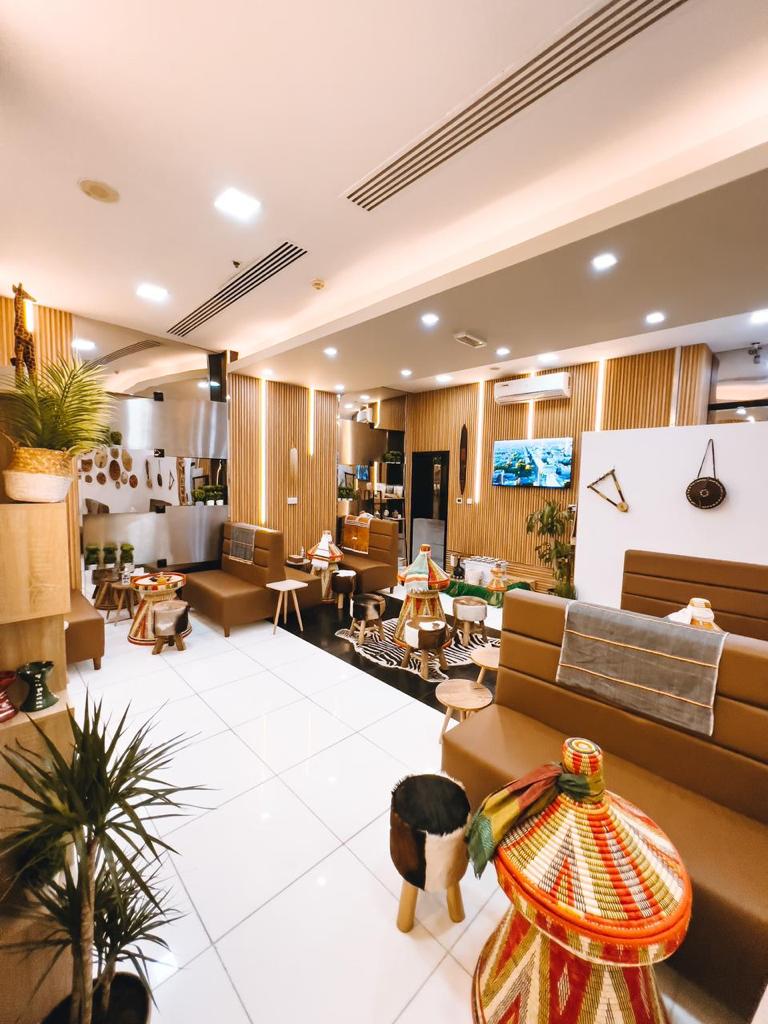
Best Ethiopian Restaurants in Dubai
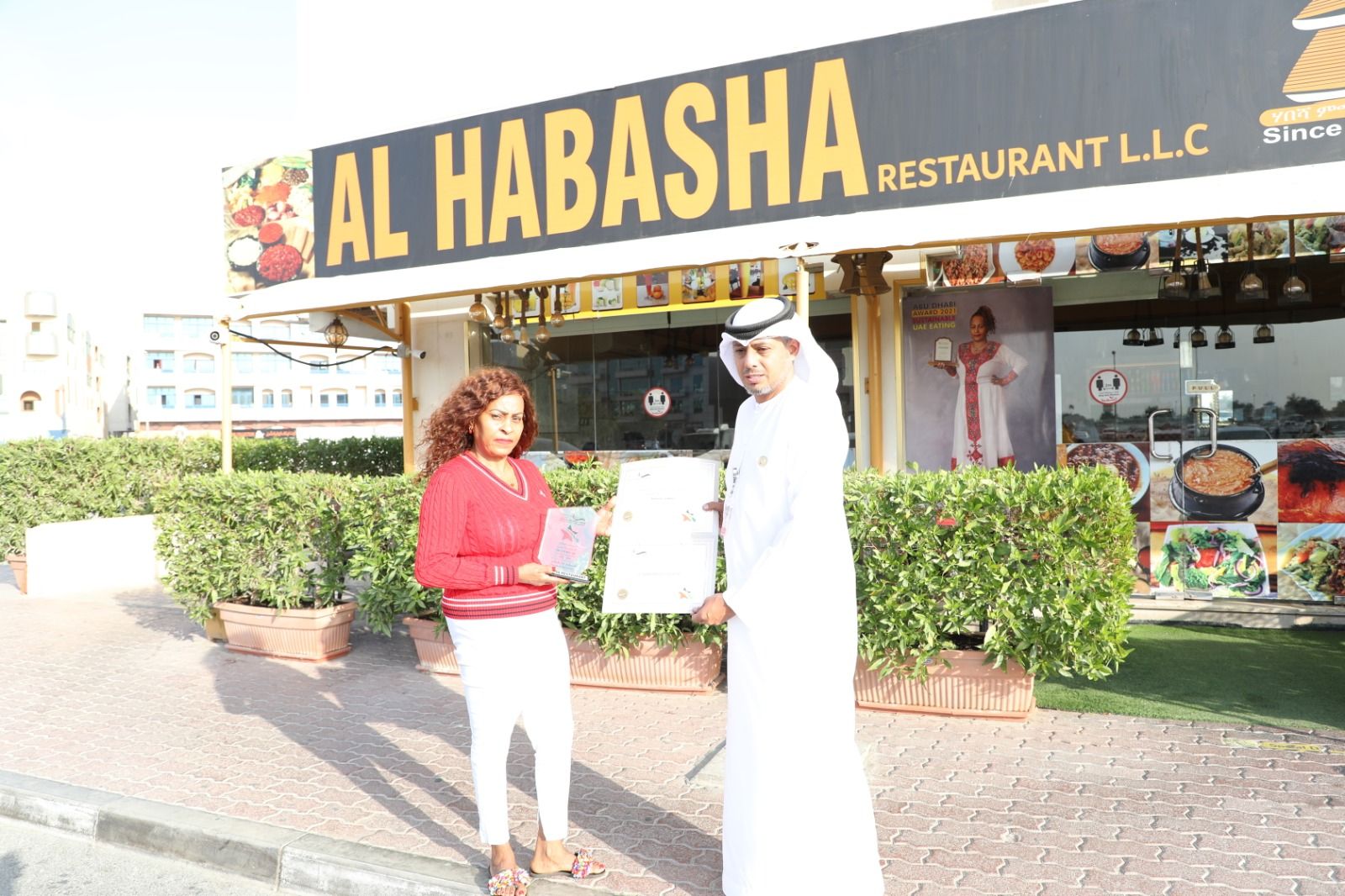
Habesha Restaurant
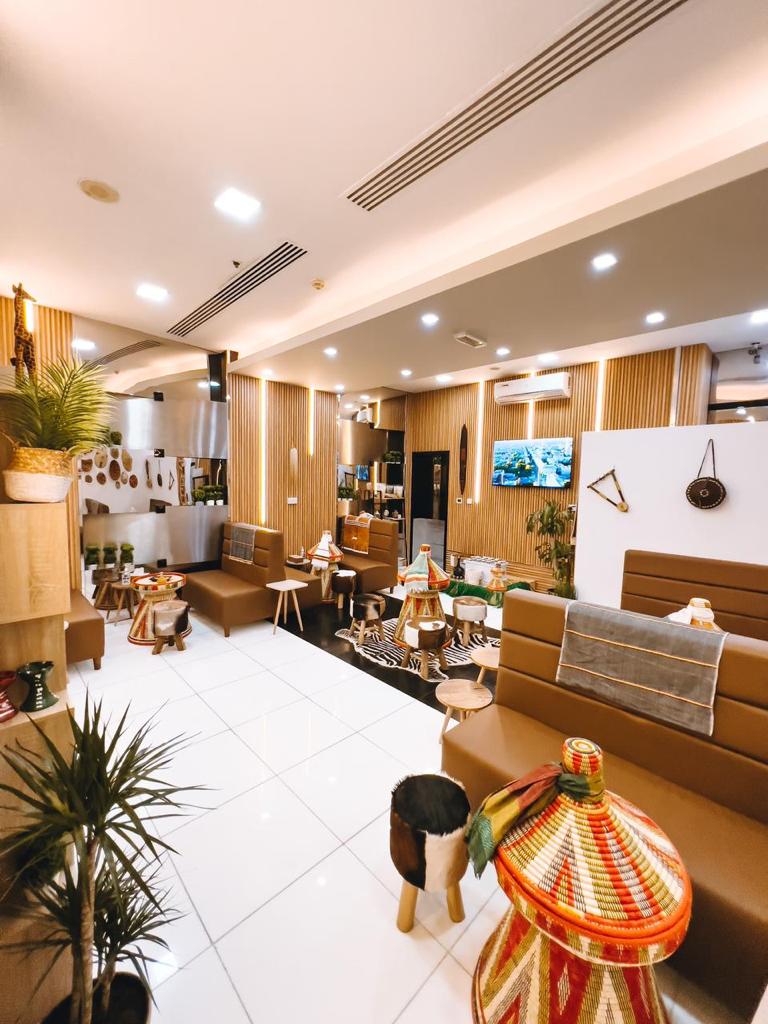
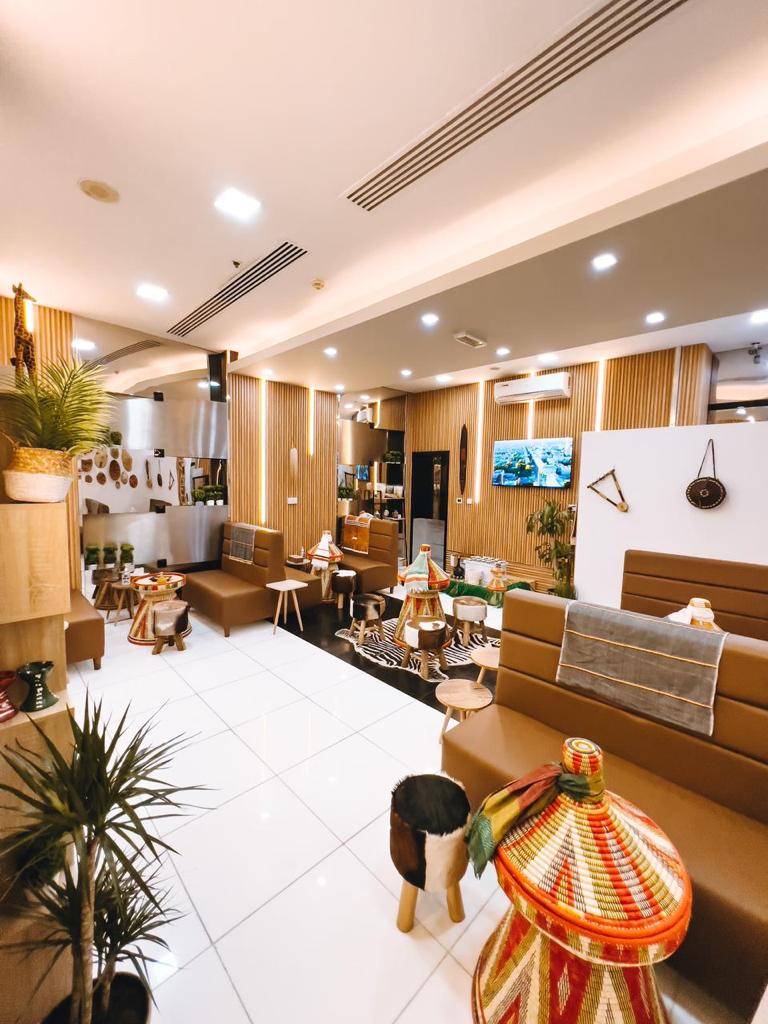
Habesha is the cornerstone of Ethiopian dining in Dubai — a large, warmly lit restaurant with traditional woven mesob baskets as tables, Ethiopian music playing at a sociable volume, and food that represents every region of the country. The injera is made in-house daily from teff imported directly from Ethiopia, and the difference from the packaged versions some competitors use is immediately apparent: lighter, more sour, with a better bubble structure.
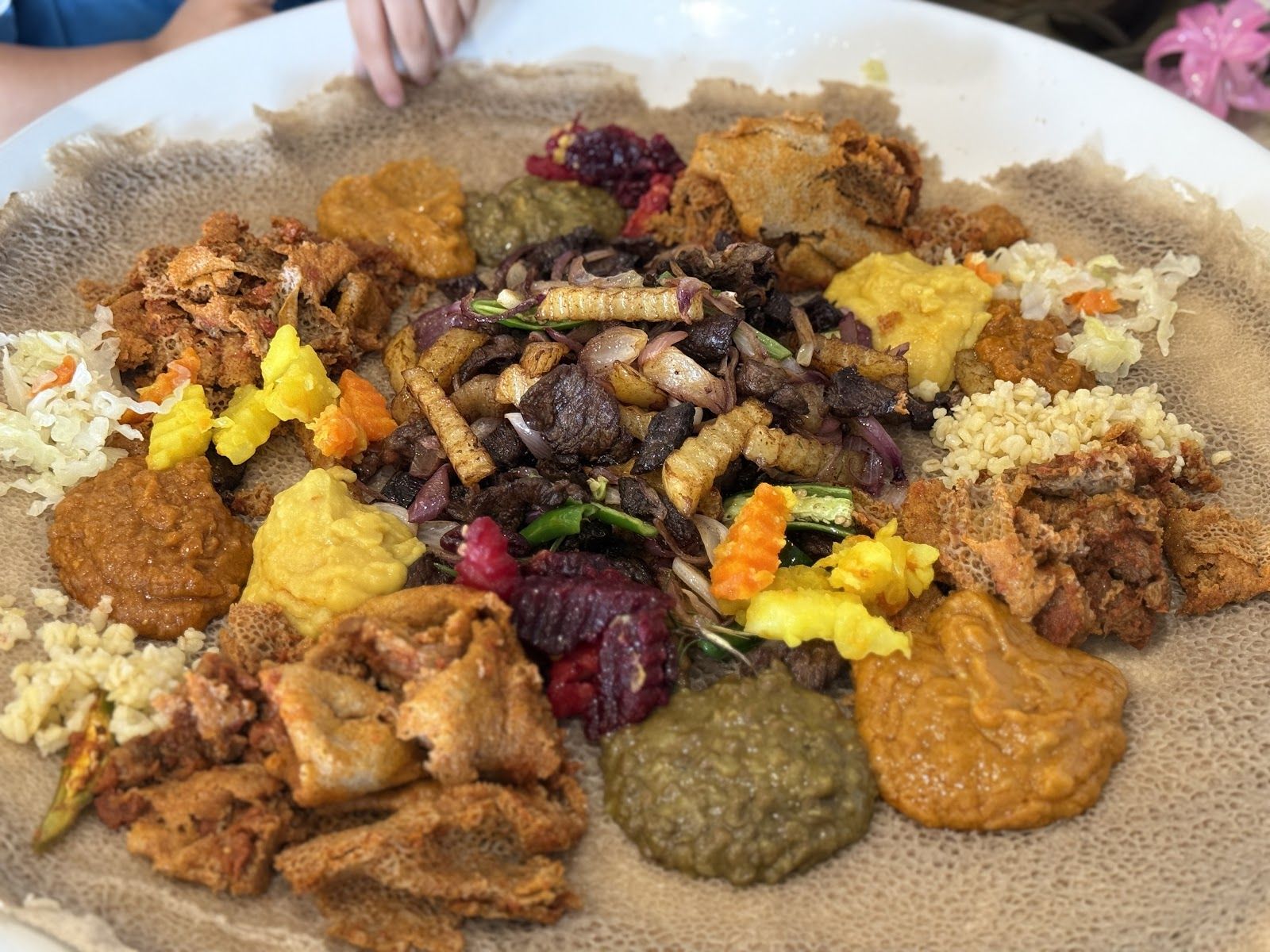
The doro wat (AED 48) is the benchmark version in Dubai — the chicken thighs are slow-cooked in a berbere sauce that is properly dark and complex, not rushed, with a heat that builds gradually rather than hitting immediately. The whole egg (a traditional inclusion in doro wat) is marinated in the sauce overnight. For groups, the combination platter for four (AED 140) covers all the bases: doro wat, tibs, misir wat, gomen, shiro, and a fresh tomato salad arranged on a large injera.
What to Order
Queen of Sheba
Queen of Sheba in Deira serves both Ethiopian and Eritrean food — the cuisines are closely related, sharing injera and many of the core dishes, but Eritrean cooking has its own regional specialties, particularly around seafood and the use of different spice blends. The restaurant is smaller and less decorated than Habesha, but the cooking is exceptional and the prices are lower.
The lamb tibs here (AED 38) are probably the best version in Dubai: the meat is cut slightly thicker, seared hard on a hot pan so the outside is almost charred, and served with a punchy awaze sauce (a vinegar-based chili condiment) on the side. The shiro (AED 24) is extraordinarily silky — they use a fine-ground chickpea powder and a lot of nit'ir qibe clarified butter, which gives it a richness that heavier shiros lack.
What to Order
Addis Ababa Kitchen
Addis Ababa Kitchen is the community canteen version of Ethiopian food in Dubai — no frills, formica tables, a handwritten board of specials, and food that tastes like someone made it specifically for people who know the cuisine well. It is run by a family from Addis Ababa who have been in Dubai for over a decade, and the recipes are inherited rather than adapted for a tourist market.
The tegabino (individual clay pot of spiced lentils, AED 28) is a speciality rarely seen elsewhere in Dubai. The ful medames (fava bean stew, AED 22) is technically more common in Arab cuisines but the Ethiopian version here adds nit'ir qibe and green chili for a distinctly different character. The injera is made from a mix of teff and regular flour — slightly less sour than pure teff, but more affordable and still excellent. Budget AED 35–60 for a full meal.
What to Order
The Ethiopian Coffee Ceremony
Ethiopian coffee culture is as important as the food — Ethiopia is the birthplace of coffee, and the ceremony of roasting, brewing, and serving it is a social ritual that marks hospitality and community. In Dubai, Habesha Restaurant offers a full coffee ceremony (AED 35 for a group) where the beans are roasted at the table, ground by hand, brewed in a jebena (clay coffee pot), and served in small cups with incense burning alongside.
The coffee is strong, slightly oily, and often served with a small amount of sugar. It is not espresso-strength — it is longer and more aromatic, with less bitterness than European coffee traditions and a more pronounced natural sweetness. Three rounds are traditional: the first is the strongest, the second is a dilution, the third is considered a blessing. Participating in the full ceremony at Habesha takes about 45 minutes and is one of the best food experiences in Dubai for the money.
Ethiopian Food for Every Occasion
Family Dinner
Combination platters are designed for sharing. Habesha's table-for-four (AED 140) is the ultimate family meal.
Vegetarians
Ethiopian cuisine has a strong fasting tradition — the vegetarian spread (shiro, misir wat, gomen, fosolia) is exceptional.
Budget Eating
Addis Ababa Kitchen in Al Qusais serves full meals from AED 35–50. The best budget-cuisine ratio in Dubai.
Group Celebration
Ethiopian food is inherently social. Call ahead at Habesha for large table setups with the traditional mesob baskets.
Coffee Lovers
The Ethiopian coffee ceremony at Habesha (AED 35) is one of the most memorable food experiences in Dubai.
Meat Lovers
Kitfo and tibs offer some of the most intensely flavoured meat preparations in any cuisine available in Dubai.
The Vegetarian Case for Ethiopian Food
Ethiopian Orthodox Christianity requires fasting — which means abstaining from meat and dairy — on Wednesdays and Fridays and during major religious periods. This has produced one of the world's most sophisticated vegetarian food traditions. The vegetarian spread at a good Ethiopian restaurant in Dubai is not a concession to non-meat-eaters — it is a full, distinct culinary tradition with its own recipes, techniques, and flavour profiles that stand entirely on their own merits.
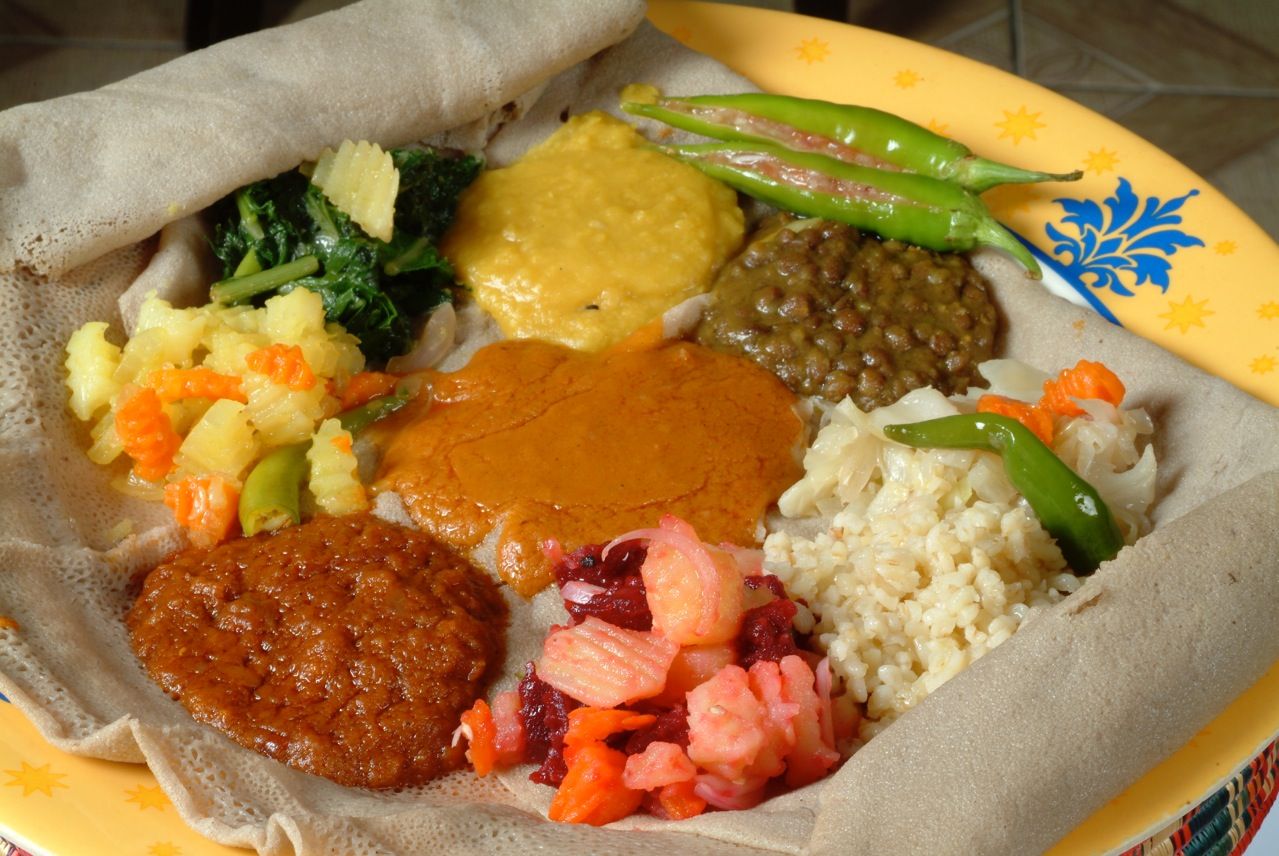
A vegetarian combination at Habesha (AED 55) covers: shiro (spiced chickpea stew), misir wat (berbere-spiced red lentils), gomen (collard greens), fosolia (green beans with carrots), and atkilt (spiced cabbage and carrot). This is excellent food — not a compromise, not an afterthought, and not less interesting than the meat dishes alongside it.
Frequently Asked Questions
Where can I eat Ethiopian food in Dubai?
Ethiopian restaurants in Dubai are concentrated in Bur Dubai (particularly the Al Fahidi area), Deira, and Al Qusais. The best three are Habesha Restaurant (Bur Dubai), Queen of Sheba (Deira), and Addis Ababa Kitchen (Al Qusais). The area around Al Fahidi metro station has several options within walking distance.
What is injera and do I have to eat with my hands?
Injera is a large spongy sourdough flatbread made from teff flour — it serves as both plate and utensil. You eat by tearing pieces of injera and using them to scoop up the stews and vegetables placed on top. Eating with your hands is expected and entirely normal. Most restaurants provide hand-washing facilities at the table or nearby specifically for this purpose.
Is Ethiopian food spicy?
It can be. Berbere — the key Ethiopian spice blend — contains a significant amount of chili alongside ginger, black pepper, coriander, and other spices. Dishes like doro wat and tibs can be quite hot. However, the vegetable preparations (shiro, gomen, misir wat) are milder, and most restaurants will adjust spice levels on request. The heat is generally more complex and aromatic than pure chili heat.
Is Ethiopian food halal in Dubai?
Yes — all Ethiopian restaurants reviewed in this guide serve halal food. The meat is all halal-certified. Traditional Ethiopian dishes like doro wat, tibs, and kitfo are all prepared without alcohol. If halal certification is important to you, ask the restaurant to confirm their current certification status.
How much does Ethiopian food cost in Dubai?
Ethiopian food is excellent value. A full meal at Addis Ababa Kitchen costs AED 35–55 per head. Habesha Restaurant is slightly more expensive at AED 55–90 per head but includes a more elaborate dining experience. Combination platters designed for sharing (2–4 people) run AED 78–140 and represent very good value.
Ethiopian Food in Context: The Dubai Picture
Ethiopian food is one of several East African cuisines making a mark in Dubai. Somali food (from the large Somali community) is available in Deira and shares some overlap — the grain-based staples, the communal eating style, the importance of spiced meat dishes. For those who love Ethiopian food, Somali restaurants are a natural next step in exploration.
For broader context on Dubai's most diverse food areas, read our Bur Dubai guide — the neighbourhood with the most concentrated Ethiopian presence. Our Deira guide covers the other main cluster. For more on the African food scene in Dubai, explore our guides to Yemeni food in Dubai (which has historical connections to the Horn of Africa) and our full cuisine guide for the complete picture of what Dubai's food scene offers.
Ethiopian Food Cluster: More Guides
This is the pillar guide for Ethiopian and East African food in Dubai. For more specific guides in this cluster, see: best Ethiopian restaurants ranked, where to find the best injera in Dubai, the Ethiopian coffee ceremony in Dubai, and East African food in Dubai (covering Somali, Sudanese, and Eritrean cuisines).