Masgouf (مسگوف) is the dish by which every Iraqi restaurant in Dubai is judged. Iraq's national fish dish — a freshwater carp split open, marinated in a signature blend of olive oil, turmeric, tamarind, and dried lime, then slow-grilled over an open wood fire for two to three hours — has been prepared on the banks of the Tigris in Baghdad for at least five thousand years. It is simultaneously one of the world's oldest continuously cooked dishes and one of its most compelling flavour experiences.
In Dubai, where Iraq's large expatriate community has built a thriving restaurant scene, masgouf is prepared with the seriousness it deserves. The best versions in the city are made by restaurants that have been grilling fish over the same outdoor fires for decades, using recipes passed down through families, and serving the results to Iraqis who judge every plate against the memory of eating it on the riverbanks of Baghdad.
This guide tells you where to find the best masgouf in Dubai, what to expect, how to eat it, and what to order alongside it.
What Is Masgouf? A Brief History
The word masgouf translates roughly to "the opened one" — referring to the technique of splitting the carp entirely open, butterflying it flat, and cooking it in this spread position over the slow heat of a wood fire. This technique allows the thick skin to act as a natural shield while the flesh cooks through slowly, absorbing the smoke and the marinade simultaneously.
The fish traditionally used is shaboot — a species of barbel native to the Tigris and Euphrates rivers — though carp has become the standard globally. In Dubai, the fish is sourced fresh from suppliers and marinated for at least two hours before cooking. The outdoor grilling process takes two to three hours over slow-burning wood or charcoal embers, never direct flame. The result is a fish with a deeply caramelised, slightly smoky exterior, yielding moist flesh within, and a complex flavour that layers the tartness of tamarind, the earthiness of turmeric, and the citrus heat of dried lime.
🐟 What makes great masgouf: The quality of the fish (fresh, never frozen), the marinade composition (turmeric, tamarind, olive oil, dried lime, salt), the fuel (wood gives the best smoke; charcoal is acceptable), and the patience to cook slowly for 2–3 hours. Rushed masgouf is immediately identifiable — the flesh is dry and the skin hasn't caramelised properly.
How Masgouf Is Made: The Traditional Method
The Six Steps of Proper Masgouf
The Fish: Fresh Carp or Shaboot
The fish must be fresh — never frozen. Whole live or same-day fish weighing 1.5–2.5kg is ideal. The fish is scaled, gutted, and split open along the belly and spine, butterflied completely flat with the tail still attached.
The Marinade: Turmeric, Tamarind & Olive Oil
A paste of turmeric, tamarind concentrate, olive oil, ground cumin, dried lime powder (noomi basra), salt, and sometimes pomegranate molasses is rubbed generously over the flesh side. The fish marinates for 2–4 hours minimum.
The Fire: Slow Wood Embers
A fire of hardwood — traditionally fruit wood or tamarind wood — burns down to slow glowing embers. Never direct flame. The fish is positioned skin-side up on stakes around (not over) the fire, leaning inward at an angle.
The Cook: 2–3 Hours of Patience
The fish cooks slowly for two to three hours. Patience is non-negotiable. The skin slowly caramelises and crisps; the flesh cooks through to a yielding, moist tenderness; the turmeric and smoke permeate every layer.
The Finish: Brief Direct Grilling
In the final 20–30 minutes, the fish is moved skin-side down over the embers for a final crisping of the skin. This is the moment that creates the characteristic mahogany colour and crunch.
The Service: Whole Fish with Accompaniments
Masgouf is served whole on a plate or tray — never filleted in advance. It arrives with Iraqi bread, tomato-onion salad, and a wedge of lemon. You tear the flesh with your fingers, scoop with bread, and eat communally.
The Best Masgouf Restaurants in Dubai
Not all masgouf is equal. The fish is the easy part — sourcing it fresh and cooking it with patience is what separates the great from the mediocre. Here are the four restaurants in Dubai serving masgouf at the highest level.
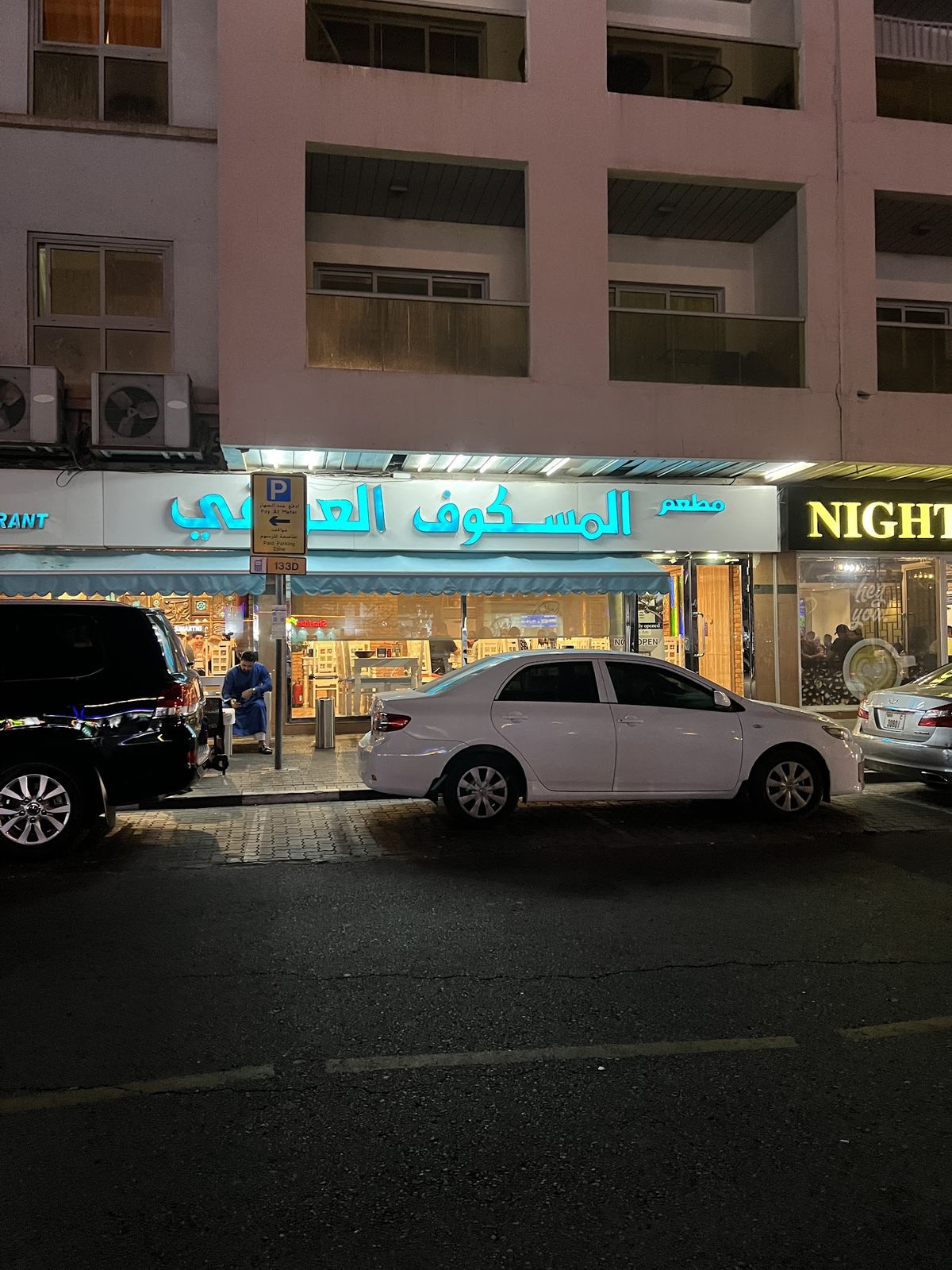
Al Maskoof Al Iraqi Restaurant
If you want to eat masgouf at its most authentic in Dubai, this is the address. Al Maskoof Al Iraqi in Deira has built its entire identity around one dish and, after decades of practice, executes it with a precision that puts most other versions to shame. The fish is grilled outdoors over slow-burning charcoal in a dedicated grilling area visible from the dining room — you can watch your dinner being cooked. The skin comes out a deep, glossy mahogany; the flesh is yielding and moist, permeated with turmeric-smoke-tamarind in perfect balance.
The surrounding dishes are equally well-prepared — the shorba is made from scratch daily, the dolma is excellent — but the masgouf is the reason to come and the reason to return. At AED 65–90 for a whole fish serving two, it is one of Dubai's finest value-for-money dishes.
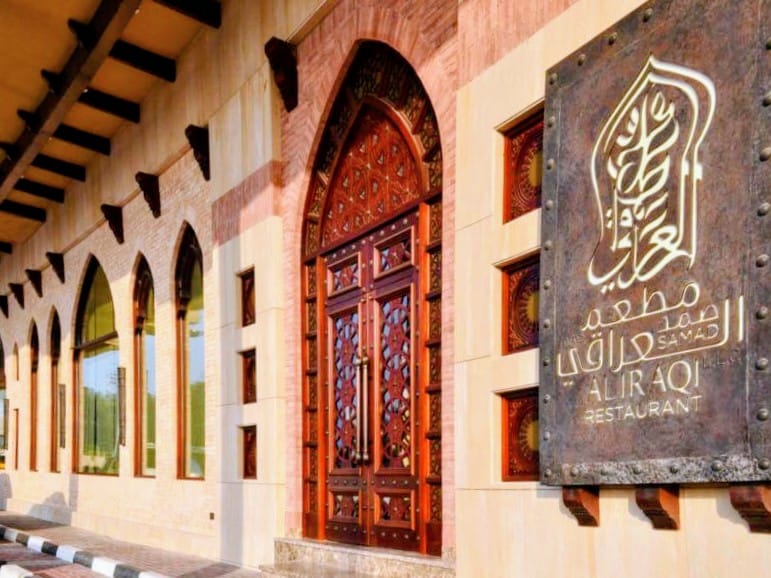
Samad Al Iraqi
Samad Al Iraqi's masgouf is arguably the finest in the city in terms of raw quality — the fish is exceptional, the marinade is deep and complex, and the slow-grilling process is executed with total precision. The Dubai Mall branch adds an extraordinary setting: the masgouf arrives at a table overlooking the Dubai Fountain, with the Burj Khalifa illuminated in the background. It is a genuinely theatrical dining experience.
The price premium over the Deira specialists is real — masgouf here is AED 140–180 as part of a full meal — but the quality and experience justify it for special occasions. The service is polished, the menu extensive (covering every Iraqi classic), and the Jumeirah branch offers a quieter, more intimate version of the same quality.
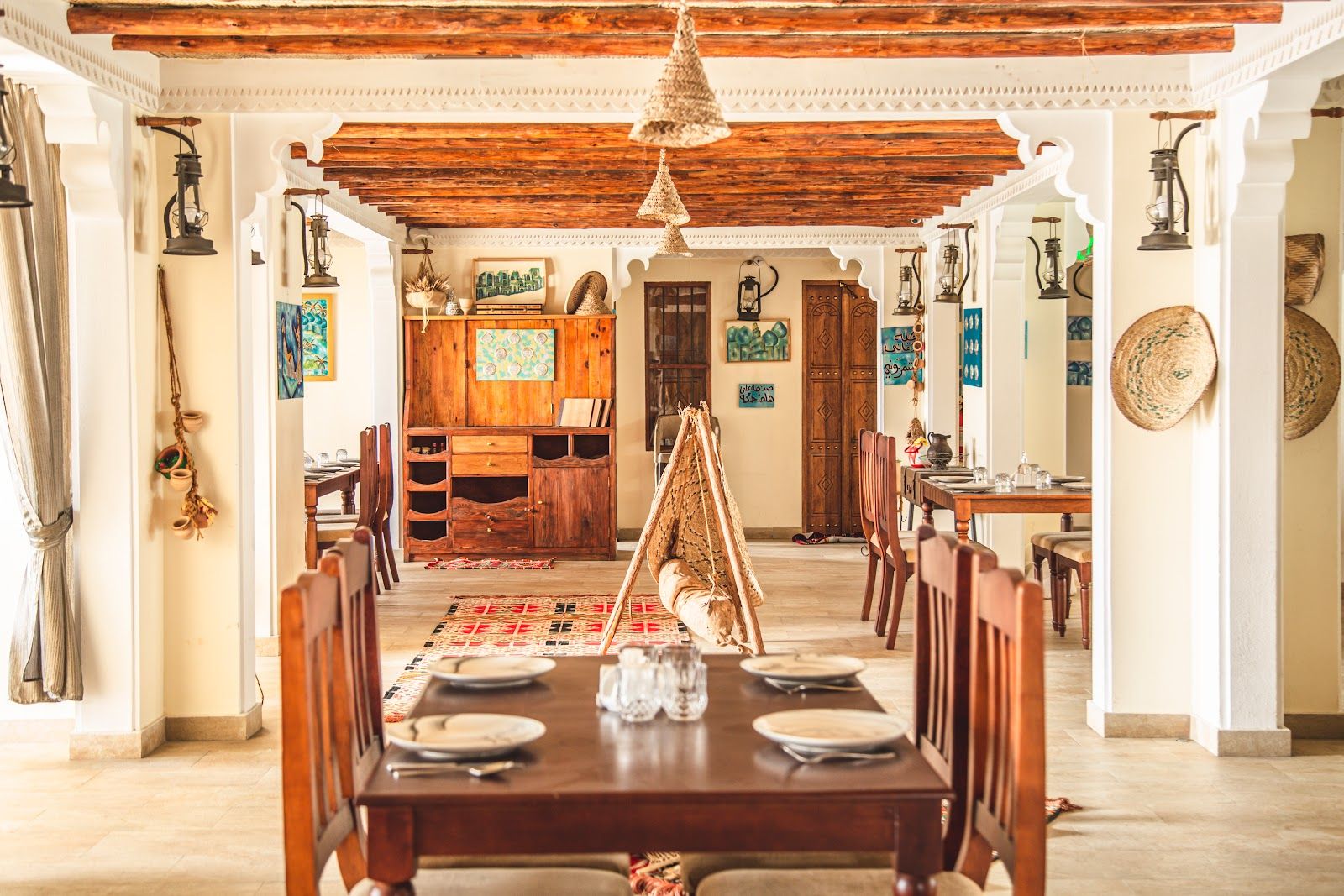
Masgouf London
The DIFC outpost of London's acclaimed Iraqi restaurant brings a contemporary lens to the ancient dish. The masgouf preparation remains respectfully traditional — fish, marinade, wood fire, patience — but the presentation is elegant and the surrounding experience is thoroughly modern. The dining room is beautiful, the cocktail list inspired, and the whole enterprise makes the argument that Iraqi cuisine deserves exactly the same fine casual treatment as Japanese, Lebanese, or Peruvian food.
The masgouf here is excellent though slightly more restrained than the Deira versions — a touch less smoke, a more careful plating, a cleaner finish. For the DIFC crowd, it's a revelation. For those familiar with the Deira originals, it's a fascinating parallel version of the same dish.
Masgouf in Dubai: At a Glance
| Restaurant | Area | Fish Quality | Value | Price | Best For |
|---|---|---|---|---|---|
| Al Maskoof Al Iraqi | Deira | ⭐⭐⭐⭐⭐ | ⭐⭐⭐⭐⭐ | AED 65–90 | Authenticity, budget |
| Samad Al Iraqi | Dubai Mall | ⭐⭐⭐⭐⭐ | ⭐⭐⭐⭐ | AED 140–180 | Occasions, visitors |
| Masgouf London | DIFC | ⭐⭐⭐⭐ | ⭐⭐⭐ | AED 160–200 | Business, date night |
How to Eat Masgouf: A Field Guide
First-time masgouf eaters are sometimes uncertain about the protocol. There isn't one, really — but there are some customs that will make the experience more pleasurable.
Use your hands. Masgouf is traditionally eaten by tearing flesh directly from the fish with your fingers, then scooping it into warm Iraqi bread. Forks exist and can be used, but you'll extract more flavour and enjoy the experience more fully if you eat it by hand.
Order bread to eat with it. Samoon or khubz is essential. The bread serves as both vehicle and flavour amplifier — the marinade-soaked flesh pressed into warm bread is one of the defining flavour combinations in Iraqi cooking.
Share it. A whole masgouf serves 2–3 people. Eating it alone is technically possible but missing the point. The communal tearing and sharing of the fish is part of the experience.
Don't rush it. Masgouf is not fast food. It takes two hours to cook, and you should take at least an hour to eat it. Order shorba first, have bread and tea while you wait, then attack the fish when it arrives. The kleicha and tea at the end complete the ritual.

Masgouf Dubai: FAQ
What is masgouf?
Masgouf is Iraq's national dish — a freshwater carp split open, marinated in olive oil, turmeric, tamarind, and dried lime, then slow-grilled over an open wood fire for 2–3 hours. One of the oldest continuously prepared dishes in the world.
Where is the best masgouf in Dubai?
Al Maskoof Al Iraqi in Deira for the most authentic and best-value masgouf. Samad Al Iraqi at Dubai Mall for the premium experience with Burj Khalifa views. Masgouf London in DIFC for the sophisticated contemporary interpretation.
How much does masgouf cost in Dubai?
A whole masgouf fish (serving 2) costs AED 65–90 at Deira specialists like Al Maskoof Al Iraqi. At premium venues like Samad Al Iraqi and Masgouf London, expect to pay AED 140–200 for masgouf as part of a full meal experience.
What fish is used for masgouf?
Traditionally shaboot — a species of barbel from the Tigris and Euphrates — but carp (cyprinus carpio) is now the standard globally. Dubai restaurants source fresh carp or tilapia. The key is that the fish must be fresh, not frozen, for proper masgouf.
Is masgouf halal?
Yes — masgouf is a fish dish and inherently halal. All Iraqi restaurants in Dubai are halal-certified, and masgouf contains no non-halal ingredients.
What do you eat with masgouf?
Masgouf is traditionally served with Iraqi bread (samoon or khubz), tomato-onion salad, fresh lemon wedges, and amba (mango chutney). Start with shorba (lamb broth) and dolma as starters. Finish with kleicha cookies and Iraqi tea.