Dubai is home to one of the world's largest Iraqi diaspora communities, and the city's Iraqi restaurant scene reflects that depth. From legendary 30-year-old Deira institutions serving crispy wood-fire masgouf to sleek DIFC venues reimagining Baghdad's flavours for the modern table, Iraqi food in Dubai spans every budget and every occasion.
Iraqi cuisine is among the oldest in the world — rooted in Mesopotamian cooking traditions stretching back 10,000 years. It's a cuisine of slow cooking, bold spices, and intense hospitality. Every dish carries the weight of history. Every meal is an event. And in Dubai, you're closer to the authentic experience than almost anywhere outside Iraq itself.
This guide covers everything: the must-try dishes, the best restaurants in every price range, which areas to head to, when to go, and what to order. Whether you're a first-time visitor to Iraqi cooking or a lifelong devotee hunting the city's best masgouf, we have you covered.
What Is Iraqi Cuisine?
Iraqi food is the cuisine of ancient Mesopotamia — the land between the Tigris and Euphrates rivers. It draws on thousands of years of agricultural and culinary tradition, blending Arab, Persian, Kurdish, and Assyrian influences into something that feels simultaneously familiar and wholly distinctive.
At its heart, Iraqi cooking is defined by three techniques: slow-roasting over open wood fires, braising in rich tomato and onion-based sauces, and stuffing vegetables with spiced rice and minced lamb. The flavour profile is warming rather than fiery — cumin, turmeric, cardamom, baharat, and dried limes (noomi basra) do the heavy lifting, rather than chilli heat.
What sets Iraqi food apart from its Levantine neighbours is its relationship with river fish, slow-cooked rice dishes, and an almost reverent approach to meat. Quzi — a whole slow-roasted lamb served over saffron rice — is essentially a national ceremony. Masgouf — the wood-fire grilled carp — is Iraq's most iconic dish and the benchmark by which every Iraqi restaurant in Dubai is judged.
💡 Know before you go: Many of Dubai's best Iraqi restaurants are clustered in Deira, particularly along Al Rigga Road and Al Muraqqabat Street. The atmosphere is lively, the portions enormous, and the prices very reasonable — expect to eat like royalty for AED 50–90 per person.
The Essential Iraqi Dishes to Try in Dubai
Before we get to restaurant recommendations, let's talk about what to order. Iraqi food has a distinct vocabulary — knowing these dishes will transform your dining experience.
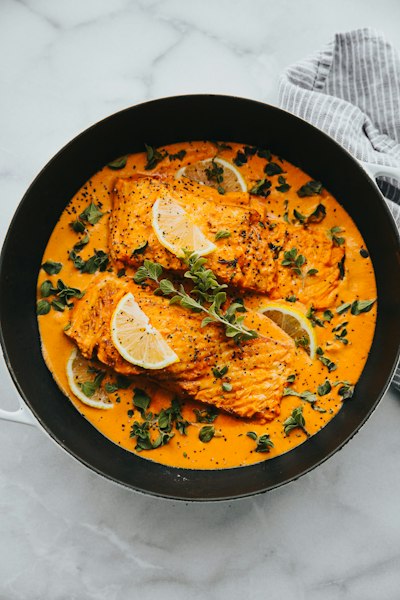
Masgouf
Iraq's national dish — wood-fire grilled carp with turmeric, tamarind & olive oil
Quzi
Slow-roasted whole lamb served on a mountain of saffron-scented rice with almonds
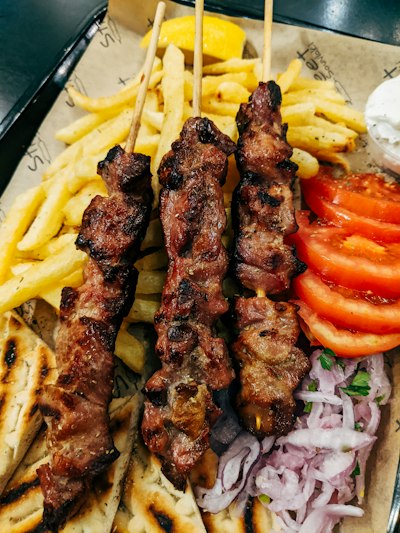
Tikka & Kebab
Erbil-style minced lamb kebabs on flat skewers, char-grilled and served with Iraqi bread
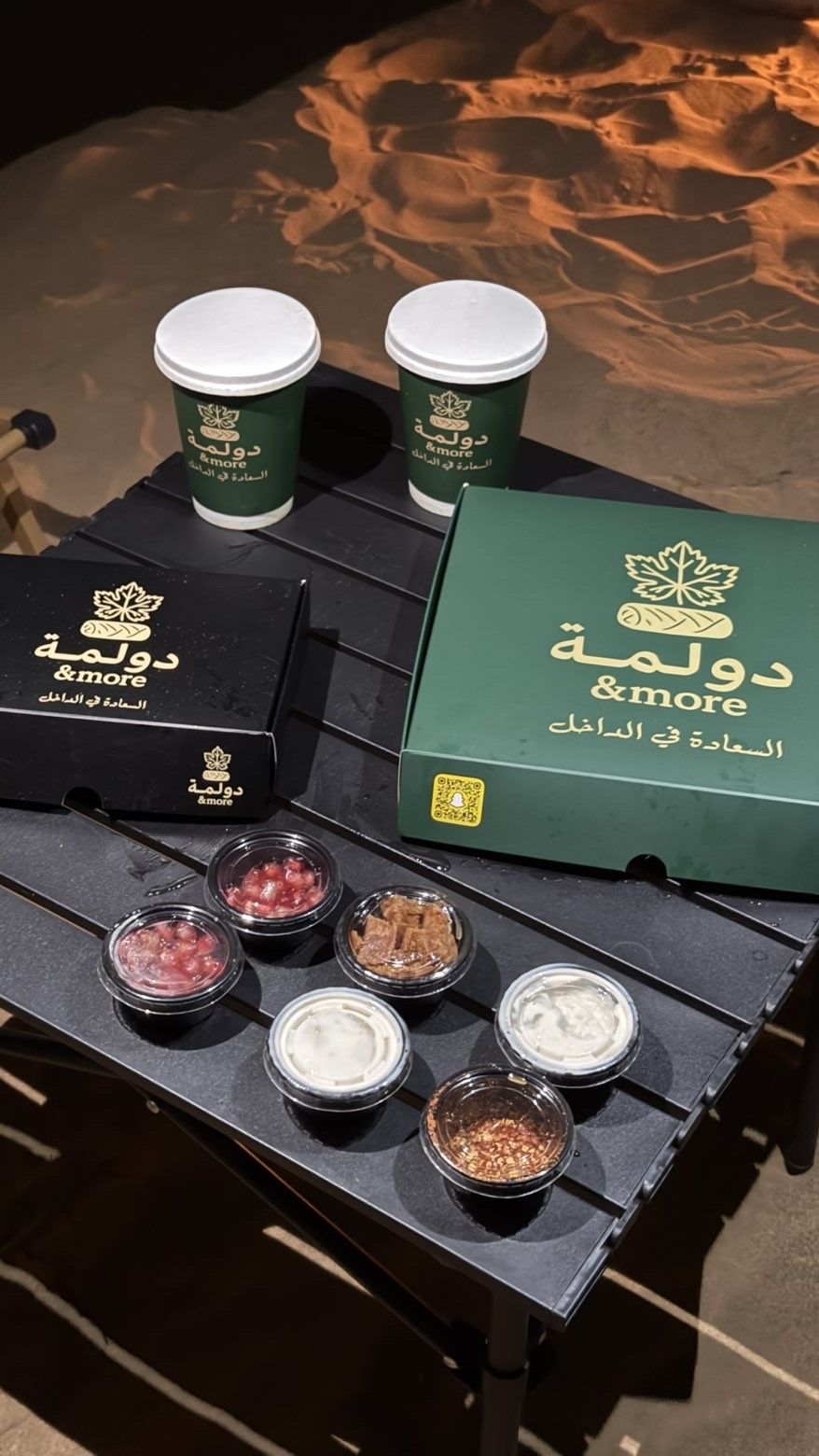
Dolma
Stuffed vine leaves, peppers, aubergines and tomatoes with spiced rice and minced lamb
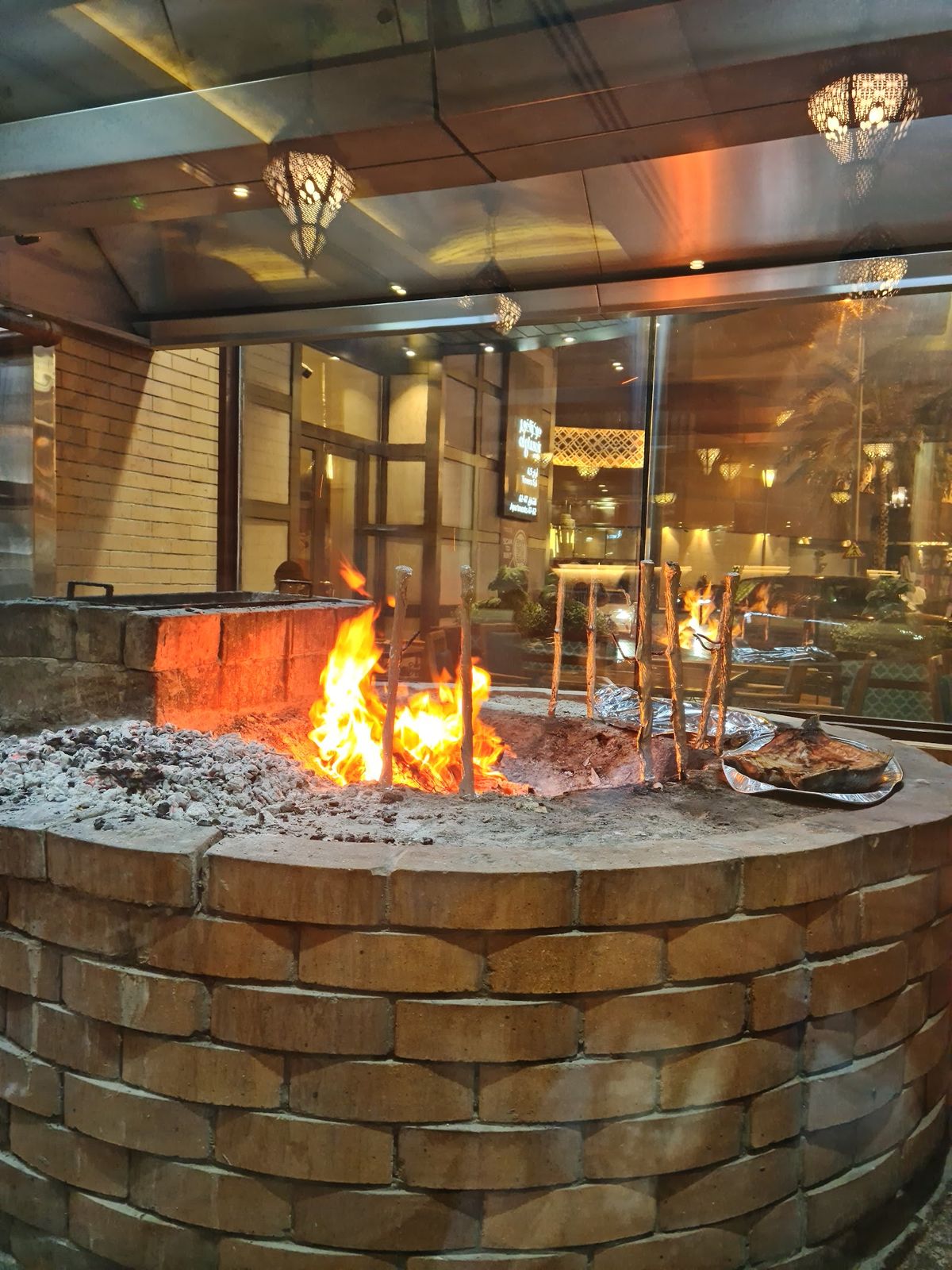
Tashreeb
Tender braised lamb poured over flatbread with chickpeas — Iraq's ultimate comfort dish

Kleicha
Iraq's national cookie — shortbread stuffed with dates or walnuts and cardamom. Order with tea
Beyond these headline dishes, don't overlook tepsi (baked aubergine and lamb casserole), bamia (rich okra stew with lamb), shorba (delicate lamb broth with vermicelli), and samoon — the diamond-shaped Iraqi bread that is baked in wall ovens and served piping hot. The bread alone is worth the visit.
The Best Iraqi Restaurants in Dubai
Dubai's Iraqi restaurant scene is anchored by a handful of institutions that have fed the city's expat community for decades, alongside newer venues targeting a more upscale crowd. Here are the essential ones.
Kabab Erbil Iraqi Restaurant
If you eat at one Iraqi restaurant in Dubai, make it Kabab Erbil. This Deira legend has been serving authentic Northern Iraqi cuisine for over 30 years, and the queues outside speak for themselves. The Erbil-style kebabs — minced lamb seasoned with Iraqi baharat and char-grilled to order — are Dubai's finest. Order the quzi for the table, a plate of dolma, and finish with tea and kleicha. It's a complete Iraqi dinner in one sitting.
The dining room is large, loud, and joyfully chaotic. You'll be surrounded by Iraqi families, construction workers, businessmen, and curious tourists all sharing the same communal experience. No reservations — just turn up. Expect a short wait on weekends, but it moves fast.
Samad Al Iraqi
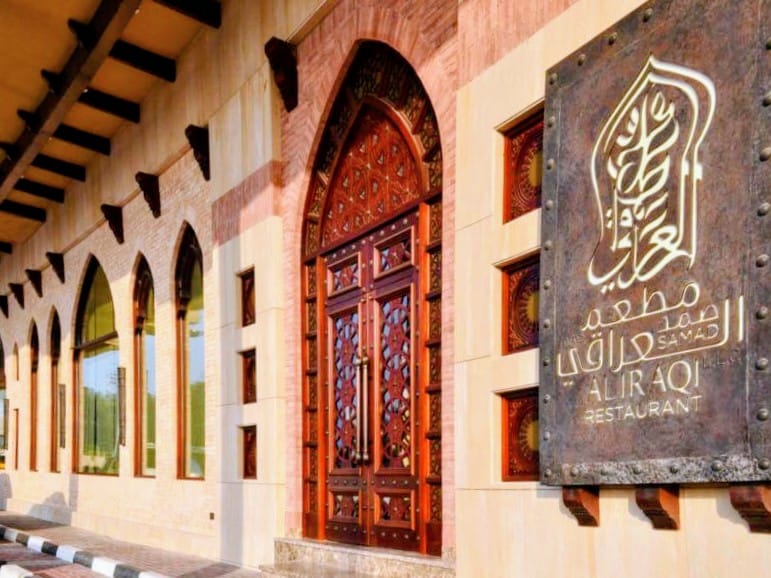
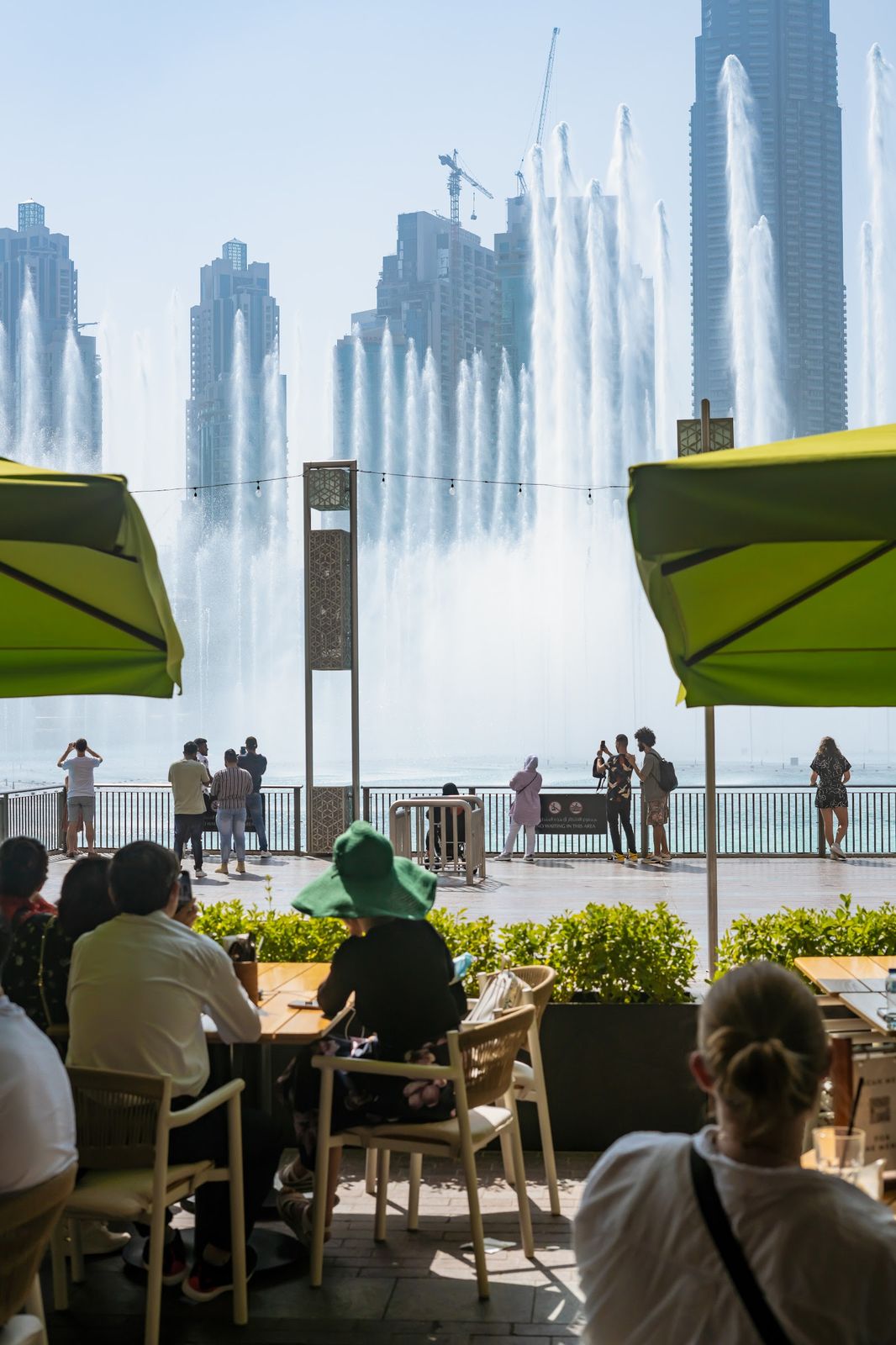
The most famous Iraqi restaurant name in Dubai — and perhaps the UAE. Samad Al Iraqi has elevated Iraqi cuisine to a premium dining experience without losing an ounce of authenticity. The Dubai Mall branch faces the Burj Khalifa, giving you one of the world's great restaurant views alongside exceptional masgouf. The fish is sourced fresh, marinated in turmeric, olive oil, and tamarind, then slow-grilled over wood coals for two hours. It arrives crisp-skinned and melting inside.
Prices are higher than the Deira spots — expect AED 80–160 per person — but the service is polished, the space beautifully designed, and the full menu covers every Iraqi classic from tashreeb to tepsi. This is the one to book for a special occasion or to introduce Iraqi cuisine to someone for the first time.
Al Maskoof Al Iraqi Restaurant
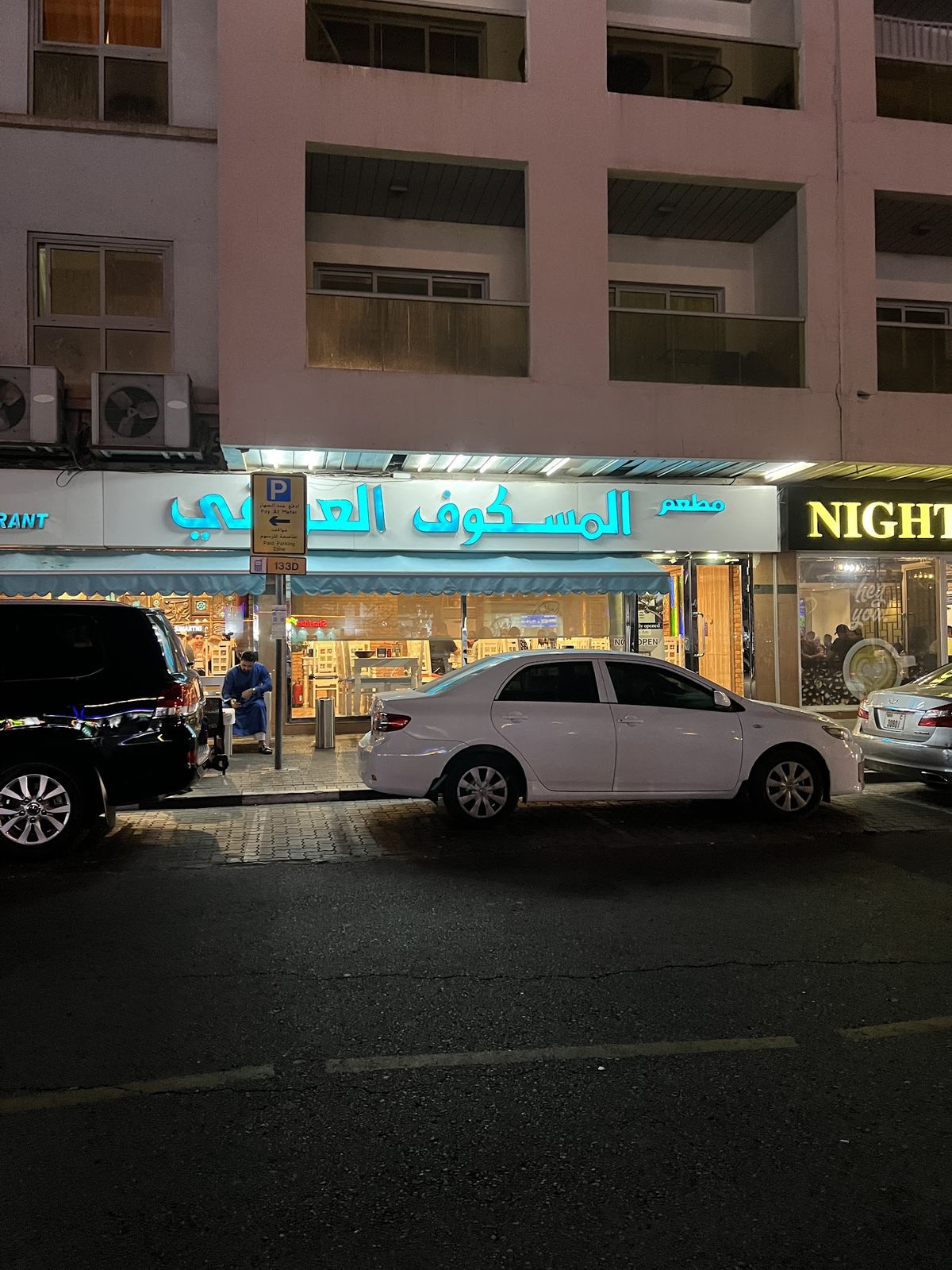
If masgouf is your mission, Al Maskoof Al Iraqi in Deira is the pilgrimage destination. This specialist restaurant has built its entire reputation on one dish — the wood-fire grilled carp — and it executes it with the authority of decades of practice. The fish is grilled outdoors over slow-burning charcoal, achieving that essential smoky caramelisation on the skin while keeping the flesh moist and flavourful. At AED 65–90 for a whole fish, it's extraordinary value.
The restaurant is unpretentious and functional — this is not a venue for Instagram aesthetics but for serious eating. Come hungry, bring friends (masgouf is better shared), and order extra Iraqi bread to mop up every last bit of the tamarind-spiced marinade.
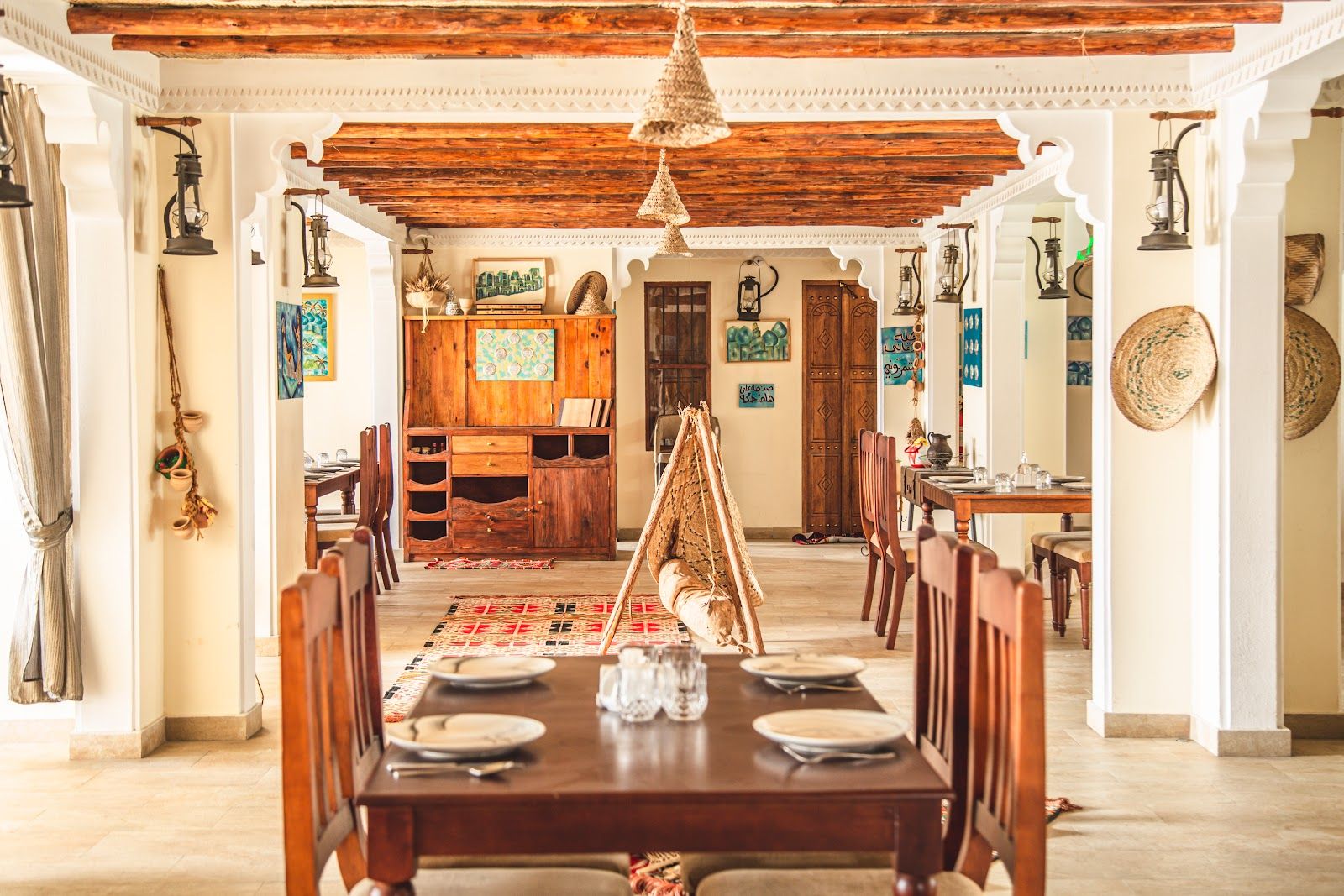
Masgouf London
The most design-forward Iraqi restaurant in Dubai, Masgouf London brought its acclaimed London concept to DIFC with stunning results. The space is sophisticated — warm lighting, exposed brick, and an open kitchen where you can watch the masgouf being grilled. The menu blends traditional Iraqi flavours with modern presentation: the masgouf arrives architecturally plated, the kleicha is served as a petit-four, and the cocktail menu nods to Baghdad's café culture.
This is the Iraqi restaurant for business dinners, date nights, and special occasions. The clientele is DIFC's international crowd, and the price point reflects the location — expect AED 150–250 per person. But the quality is excellent, and for anyone accustomed to the concept from London, the Dubai execution is every bit as strong.
Iraqi Food by Area: Where to Eat in Dubai
Iraqi cuisine is not evenly distributed across Dubai. The city's Iraqi restaurants cluster in specific areas that reflect the community's historical settlement patterns. Here's your area guide.
Deira: The Iraqi Heartland
Deira is where Dubai's Iraqi restaurant scene was born and where it remains most authentic. Al Rigga Road and Al Muraqqabat Street are home to the highest concentration of Iraqi restaurants in the UAE — from budget shawarma-and-kebab joints to full-service family restaurants. The prices here are the most reasonable in the city, the portions are enormous, and the atmosphere is as close to Baghdad as you'll find outside Iraq. Head here for lunch on a Friday for the full experience.
See our full Deira restaurant guide →
Downtown Dubai & Dubai Mall
Samad Al Iraqi's Dubai Mall branch brings Iraqi cuisine to the heart of Downtown with Burj Khalifa views and a premium presentation. This area suits visitors and those looking for a more polished Iraqi dining experience. Prices are higher than Deira but the experience is exceptional.
See our full Downtown Dubai restaurant guide →
DIFC
Masgouf London's DIFC outpost makes Iraqi food genuinely sophisticated. Perfect for weekday business lunches and weekend date nights. The area's international clientele means the restaurant has adapted slightly to Western palates without compromising core flavours.
See our full DIFC restaurant guide →
Jumeirah
Kabab Erbil has a strong Jumeirah presence, making authentic Iraqi kebabs and quzi accessible to the beach-side residential community. The Jumeirah branches tend to be slightly quieter than the Deira locations but deliver the same quality.
Iraqi Food Budget Guide
Iraqi food is one of Dubai's best-value cuisines. Here's what different budgets get you:
Iraqi Food During Ramadan in Dubai
Iraqi cuisine truly shines during Ramadan. The iftar tradition in Iraqi households centres on a specific sequence: shorba (lamb broth) first to break the fast, followed by dates, then a full spread of dolma, tashreeb, quzi or masgouf, and kleicha with tea to finish. Dubai's Iraqi restaurants honour this sequence faithfully during the holy month, and their Ramadan tents and iftar spreads are some of the most authentic in the city.
Kabab Erbil and Samad Al Iraqi both offer Ramadan iftar deals that represent extraordinary value — full Iraqi feasts for AED 60–90 per person. Book well in advance, particularly for the final week of Ramadan when demand peaks.

Iraqi Food Dubai: FAQ
What is the most famous Iraqi dish?
Masgouf — the wood-fire grilled carp marinated in turmeric, tamarind, and olive oil — is Iraq's national dish and the benchmark for every Iraqi restaurant in Dubai. Try it at Al Maskoof Al Iraqi in Deira or Samad Al Iraqi at Dubai Mall.
Is Iraqi food spicy?
No — Iraqi cuisine uses aromatic spices (cumin, cardamom, turmeric, baharat) for warmth and depth rather than chilli heat. It's one of the most accessible Middle Eastern cuisines for those who don't eat spicy food.
Where is the best Iraqi food in Dubai?
For authenticity and value, Kabab Erbil on Al Rigga Road in Deira. For premium masgouf with views, Samad Al Iraqi at Dubai Mall. For fine casual, Masgouf London in DIFC.
How much does Iraqi food cost in Dubai?
Budget Iraqi restaurants in Deira run AED 35–60 per person. Mid-range spots like Al Maskoof Al Iraqi are AED 65–100. Premium options (Samad Al Iraqi, Masgouf London) run AED 100–250 per person.
Do Iraqi restaurants in Dubai serve alcohol?
Most traditional Iraqi restaurants in Deira are non-alcoholic. Masgouf London in DIFC serves alcohol (wines and cocktails). Check individual restaurant listings for current licensing.