Of all the rice dishes available in Dubai — and there are hundreds, from biryani to machboos, paella to polo — Somali Bariis Iskukaris may be the most underrated. It sits in small, unlabelled restaurants in Deira's residential lanes, served to tables of construction workers, nurses finishing night shifts, and the occasional adventurous food tourist. It costs AED 24. It is extraordinary.
What Is Bariis Iskukaris?
Bariis means "rice" in Somali. Iskukaris means "mixed together" or "all in one." The dish is a one-pot basmati rice cooked with meat (goat, camel, beef, or chicken), seasoned with xawaash — Somalia's signature spice blend — and topped with raisins, fried potatoes, caramelised onions, and peas. It is simultaneously Somalia's national dish, its wedding food, its everyday comfort meal, and its best export.
The dish reflects Somalia's position as a crossroads of cultures: the fragrant spicing has Indian Ocean trade origins; the raisins and nut garnishes echo Arab rice traditions from Yemen and Oman; the technique of cooking meat and rice together is shared across from Persia to Pakistan. But the xawaash spice blend makes it unmistakably, uniquely Somali.
Understanding Xawaash: The Spice That Makes Bariis
Xawaash (pronounced "khaw-ash") is Somalia's equivalent of garam masala — a personalised spice blend that every family, every cook, and every restaurant makes slightly differently. The name literally translates as "spices" in Somali. Here are the core components:
The result is a rice that smells extraordinary before you even taste it — warm, aromatic, slightly floral, with none of the aggressive heat of Indian biryani spicing. It's the kind of scent that fills an entire restaurant and draws you towards the kitchen.
The Different Types of Bariis in Dubai
While "Bariis Iskukaris" is the canonical name, Dubai's Somali restaurants serve several variations depending on the protein:
Bariis Varieties to Order
Where to Eat Bariis in Dubai
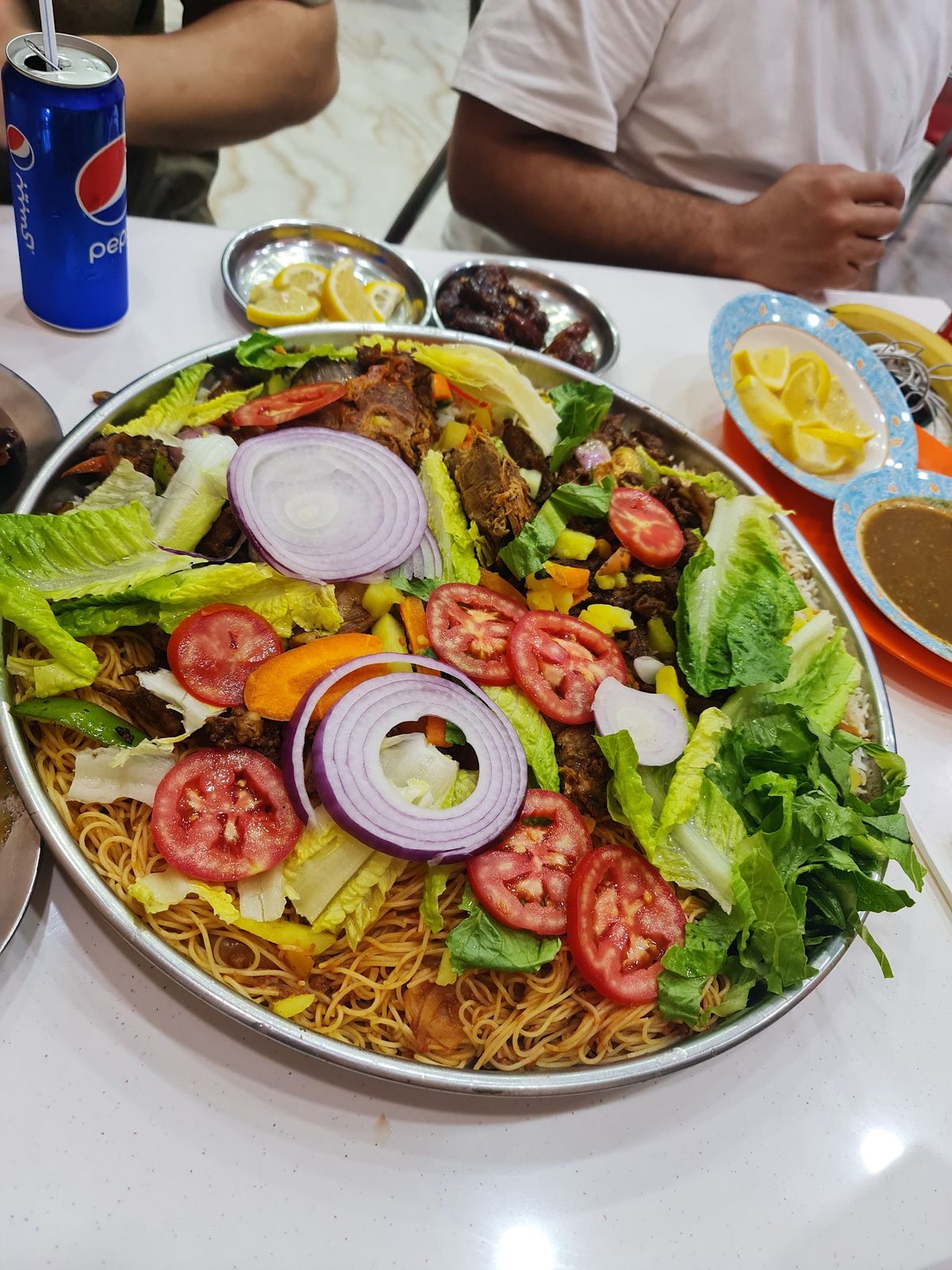
Al Karmel Somali Restaurant — Al Ras, Deira
The Beef Suqaar Bariis at AED 24 is the dish that converts people to Somali food permanently. The xawaash is complex and freshly ground, the rice has the right level of cook (each grain separate, none mushy), and the banana served on the side is not optional — eat it. The camel meat Bariis, when available, is even more memorable. The location in Old Dubai adds to the experience: this is authentic, unhurried, and genuinely special.
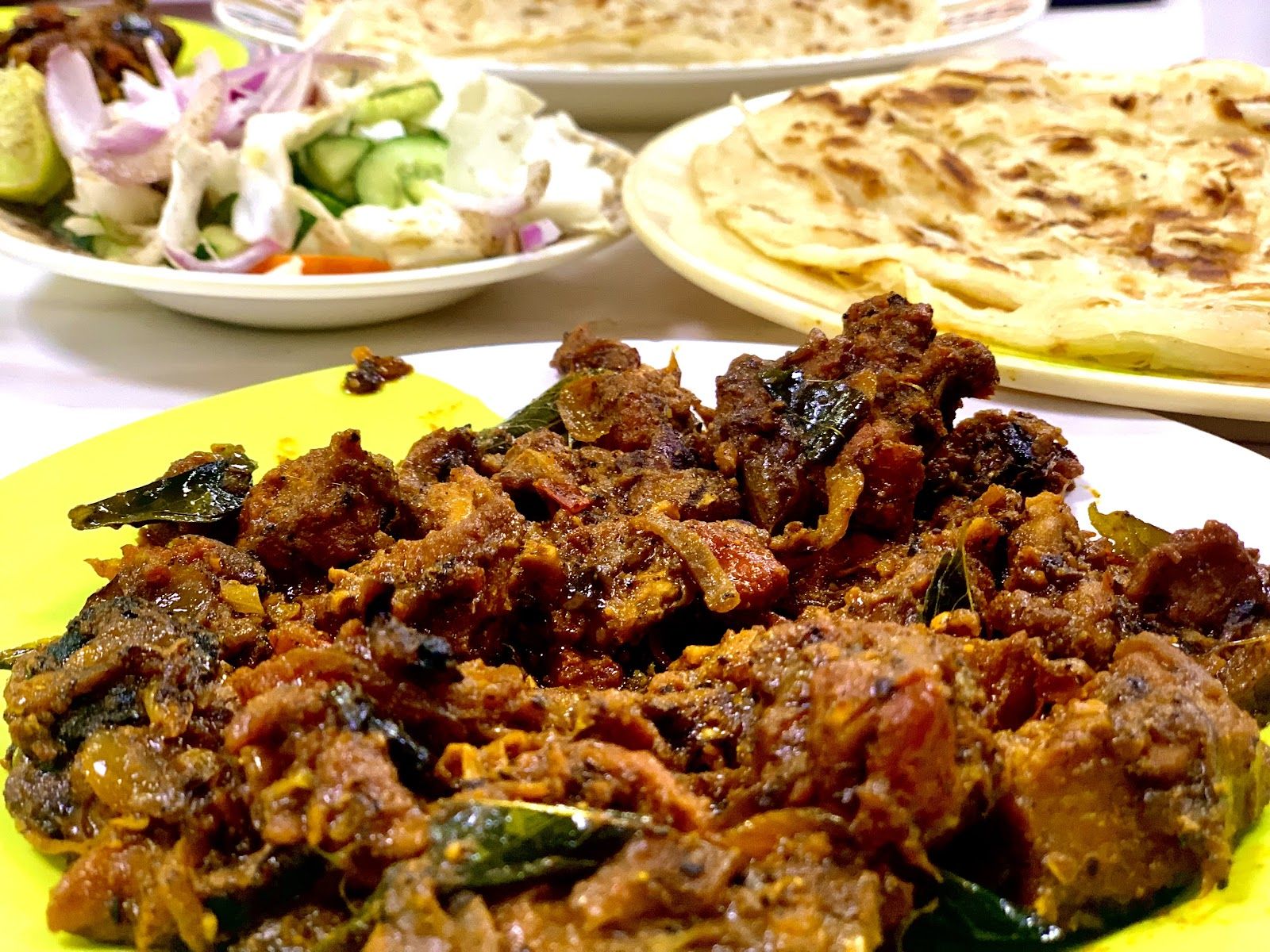
Nasib Restaurant — Naif, Deira
Nasib does the Hilib Ari Bariis (roasted goat on bariis rice) better than anywhere else in Dubai. The goat is slow-cooked until the bone gives up without a fight, placed on a generous mound of fragrant bariis, and served with a side salad and extra goat broth (Maraq). This is the version you'd eat at a Somali wedding — rich, generous, utterly satisfying.
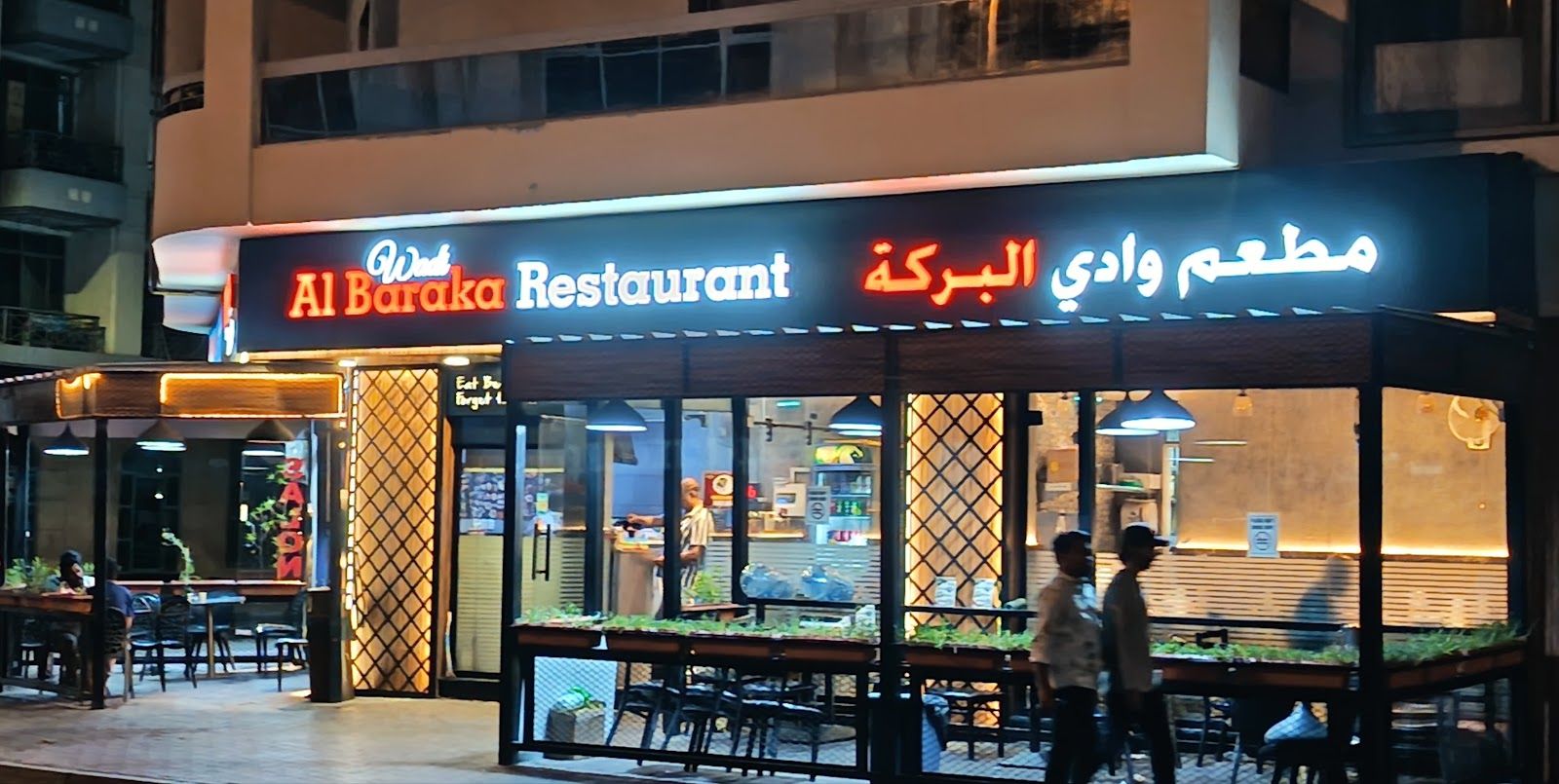
Baraka East African Kitchen — Al Quoz
For those intimidated by finding a tucked-away Deira spot, Baraka in Al Quoz provides an excellent Bariis experience in a more navigable, English-friendly environment. The Bariis Iskukaris here is topped with raisins and fried potato cubes in the traditional style, and the xawaash blend is aromatic and well-balanced. Not as transcendent as Al Karmel, but genuinely delicious.
How to Eat Bariis the Somali Way
A few points of etiquette and tradition that will make your Bariis experience more authentic:
- Eat with your right hand — traditional Somali eating uses the right hand, though cutlery is always available
- Always take the banana — if a banana arrives with your rice, eat it. The sweet fruit with the xawaash-spiced rice is the defining Somali flavour combination
- Drink Shaah tea after — Somali spiced tea (cardamom, clove) is the traditional way to end a Bariis meal
- Order Maraq Hilib alongside — the goat broth soup is a natural accompaniment, poured over the rice or sipped alongside
- Don't rush — Somali restaurant culture is unhurried; the meal is meant to be lingered over
Bariis in Dubai: Practical Tips
- The best Bariis restaurants are in Deira — specifically Al Ras and Naif (both accessible from Union Metro Station)
- Lunch is peak time (12:30–2:30pm) when the Bariis is freshest and at its best
- Camel Bariis is not always available — call ahead or ask when you arrive
- Portions are generous: AED 24–28 is enough for one hungry person with some left over
- No reservations needed at any Somali restaurant in Dubai — just arrive and eat
- Fridays and Saturdays see larger community gatherings — the full range of specials are more likely to be available
Bariis vs. Biryani vs. Machboos: How They Compare
Dubai is the world capital of spiced rice diversity, and it's worth understanding how Somali Bariis differs from the other great one-pot rice traditions available in the city. Biryani (Indian) involves layered rice and meat, sealed and steam-cooked — dramatic, more complex. Machboos (Emirati/Gulf) uses dried lemon (loomi) as its defining flavour. Kabuli Pulao (Afghani) has carrot and raisin garnish with a sweeter profile. Bariis occupies a distinct position: simpler in technique than biryani, more aromatic than machboos, and unique in its warm, slightly floral xawaash character. At AED 24 versus AED 60+ for a good biryani, it's also remarkable value.
Related Guides

Somali Food in Dubai: Complete Guide
Read Guide →
Canjeero in Dubai — Somali Flatbread
Read Guide →