The Best Jordanian Restaurants in Dubai, Ranked and Reviewed
Dubai's Jordanian restaurant scene punches well above its weight. The city's substantial Jordanian community has been eating here for decades, which means the city's best Jordanian restaurants have had decades to refine their craft — and the results show. From institutions that have been serving authentic mansaf since the 1990s to bright Amman exports bringing Jordan's latest dining culture to the UAE, this is a cuisine in excellent health in Dubai.
We have eaten our way through Dubai's Jordanian restaurant scene — from humble Motor City spots to Michelin-noted dining rooms in Jumeirah — to produce this definitive ranked list. These are the restaurants that genuinely deliver the warmth, generosity and depth of real Jordanian cooking.
Our Ranking Criteria
- Authenticity of Jordanian flavours, especially mansaf and signature dishes
- Quality and sourcing of key ingredients (jameed, lamb, shrak bread)
- Atmosphere and hospitality — Jordanian restaurants should feel welcoming
- Value for money across the full menu
- Consistency across multiple visits

Rawabina Restaurant & Cafe
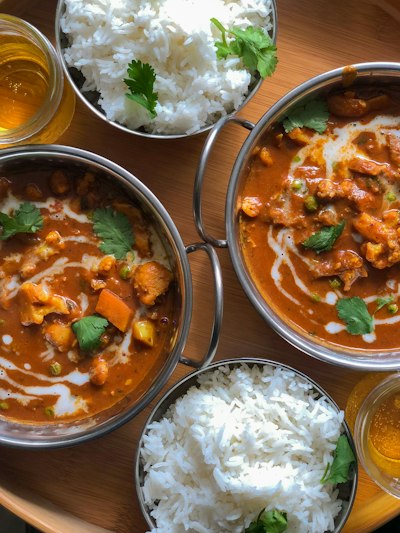
Rawabina has been Dubai's benchmark for authentic Jordanian cooking since 1995 — thirty years of serving the same honest, generous food to a fiercely loyal community. The mansaf here is non-negotiable: jameed sourced from Jordan, lamb braised to falling-off-the-bone tenderness, rice fragrant with cardamom and cinnamon, the whole thing arriving on a platter large enough to feed three with dignity. The maqluba — upside-down rice with slow-cooked lamb and vegetables, dramatically flipped tableside — is equally worthy of your attention.
The room is unpretentious and warmly lit, service is unhurried and generous, and the clientele is a beautiful mix of Jordanian families eating as they would at home and food-savvy Dubaians who have discovered the secret. Book for lunch on weekends, or prepare to queue.
Khashoka
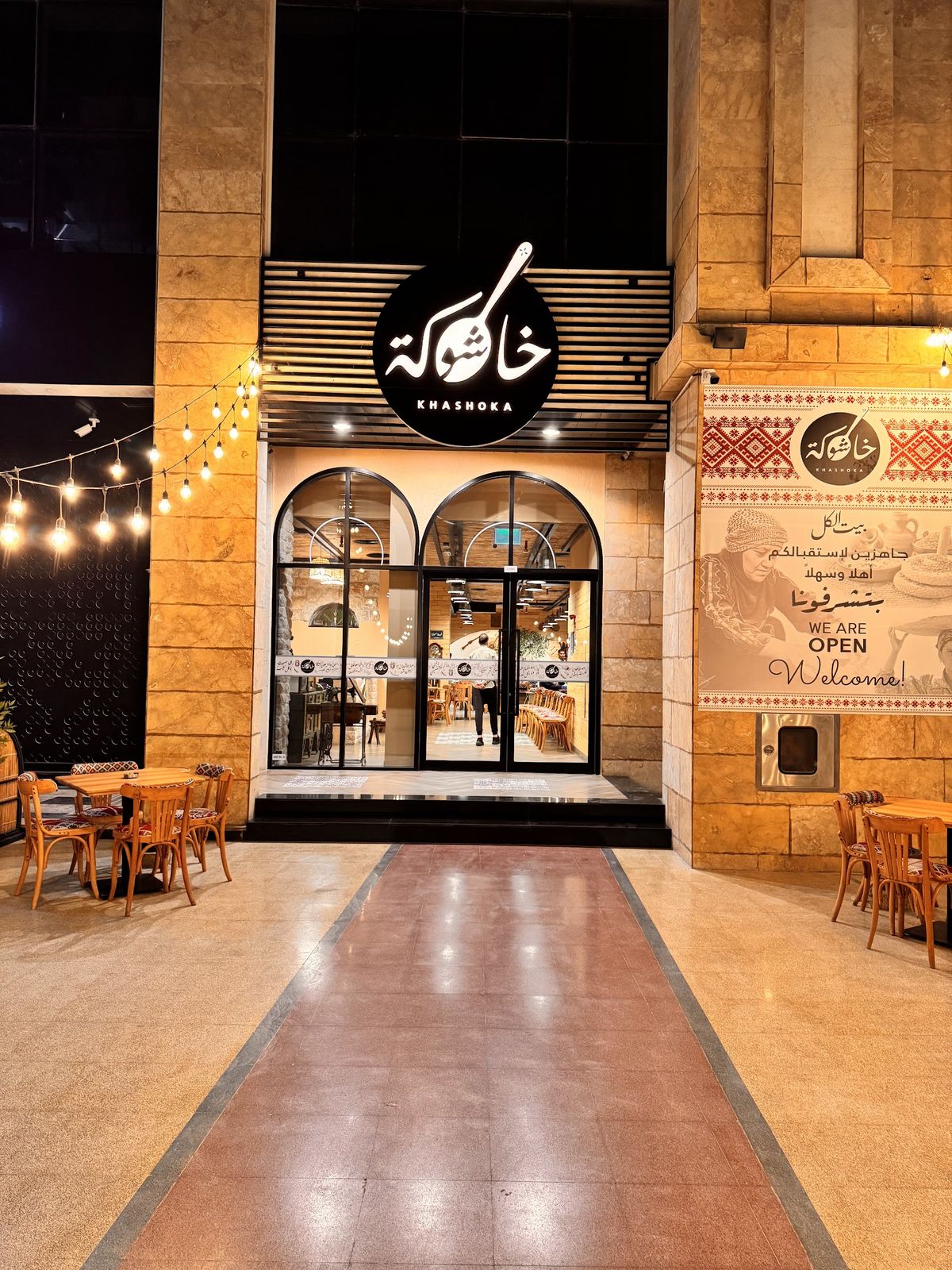
Khashoka is one of Amman's most legendary dining institutions — a breakfast institution so beloved in Jordan that its arrival in Dubai caused genuine excitement. They fly in fresh ingredients from Jordan, and the difference is immediately apparent. The fatteh — layered crispy bread, chickpeas, yogurt, tahini and warm spiced lamb — is exceptional, texturally complex and deeply satisfying. The musakhan (roasted chicken, caramelised onion and sumac on taboon bread) is the best version we have found in Dubai.
Dishes start from AED 8, which makes this extraordinary value. The atmosphere from 9pm onwards is quintessentially Jordanian — loud, warm, convivial, with the unmistakable sense that everyone here is having a genuinely good time. A wonderful discovery.
Sufret Maryam
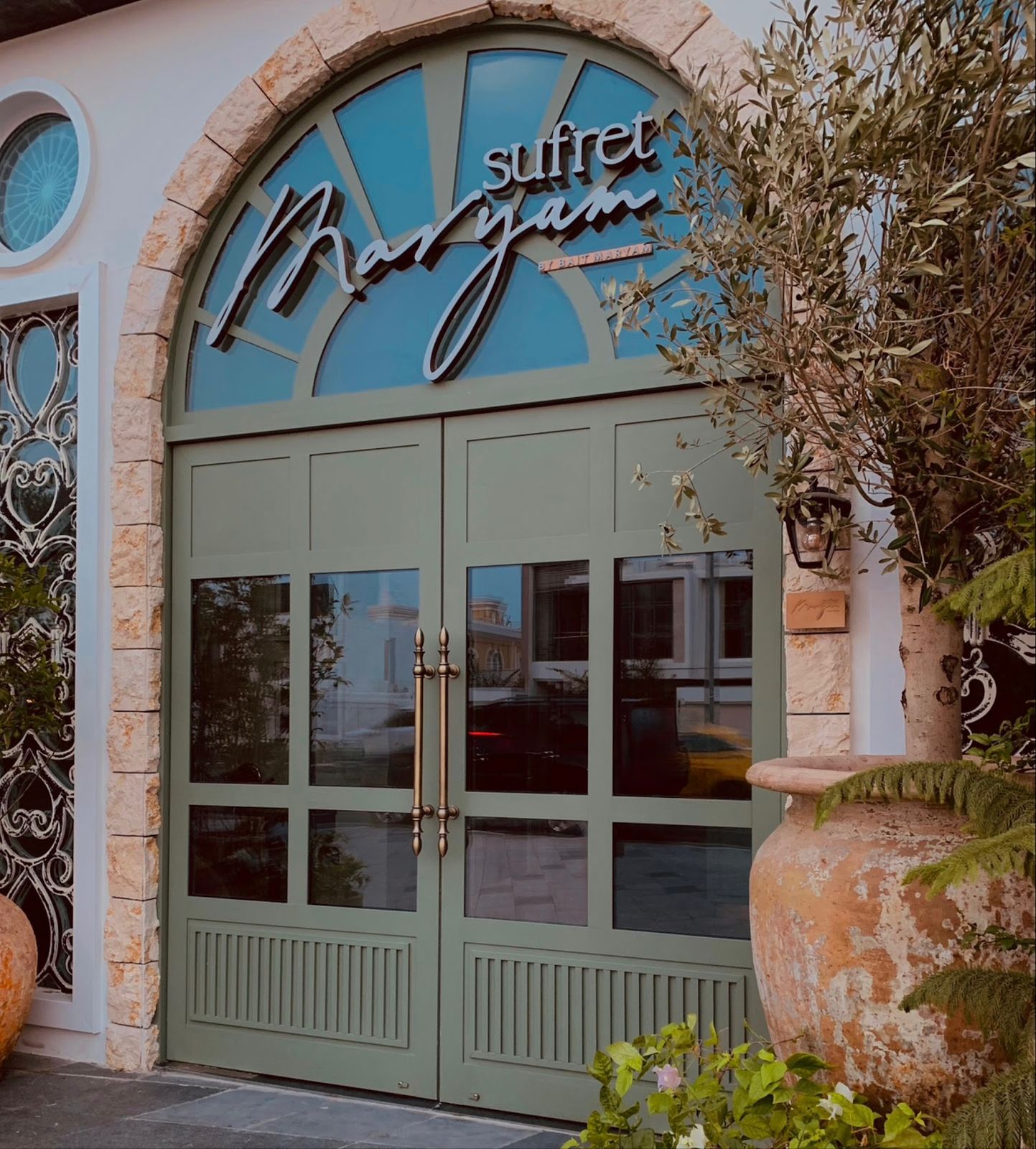
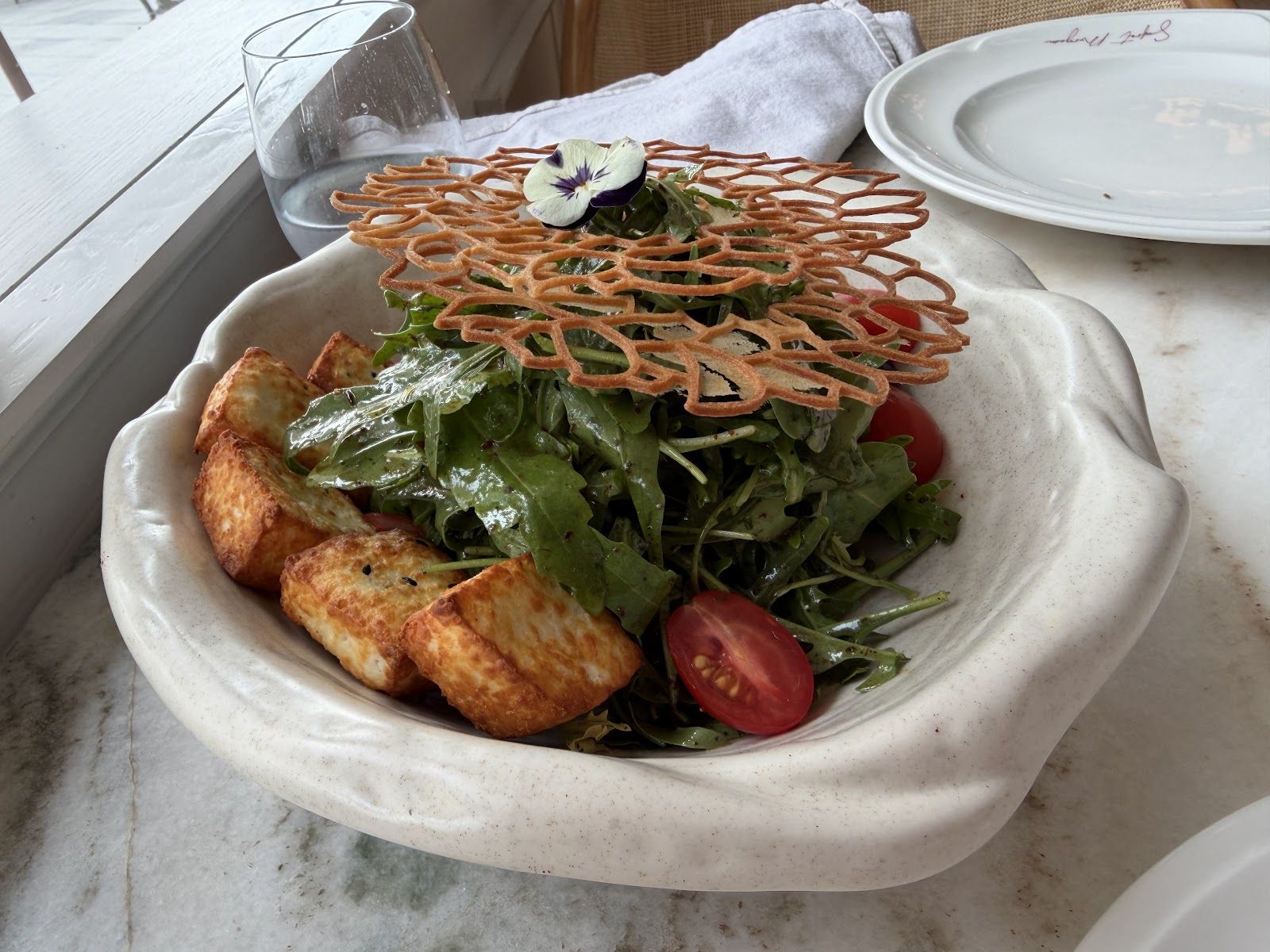
Chef Salam Dakkak's latest restaurant is the most refined Palestinian-Jordanian cooking in Dubai. Named after her mother — who taught her everything — Sufret Maryam takes the home cooking of the Jordanian and Palestinian kitchen and elevates it to fine dining level without betraying its soul. The mansaf arrives beautifully presented, the jameed sauce poured tableside. The musakhan is transformed into an elegant, precisely-composed thing of beauty. The kunafa dessert will ruin all other versions for you.
This is where you bring people who don't think they know Jordanian food — and convert them completely. The room is warm and beautifully designed; service is attentive and knowledgeable. A genuine Dubai institution in the making.
Bait Maryam
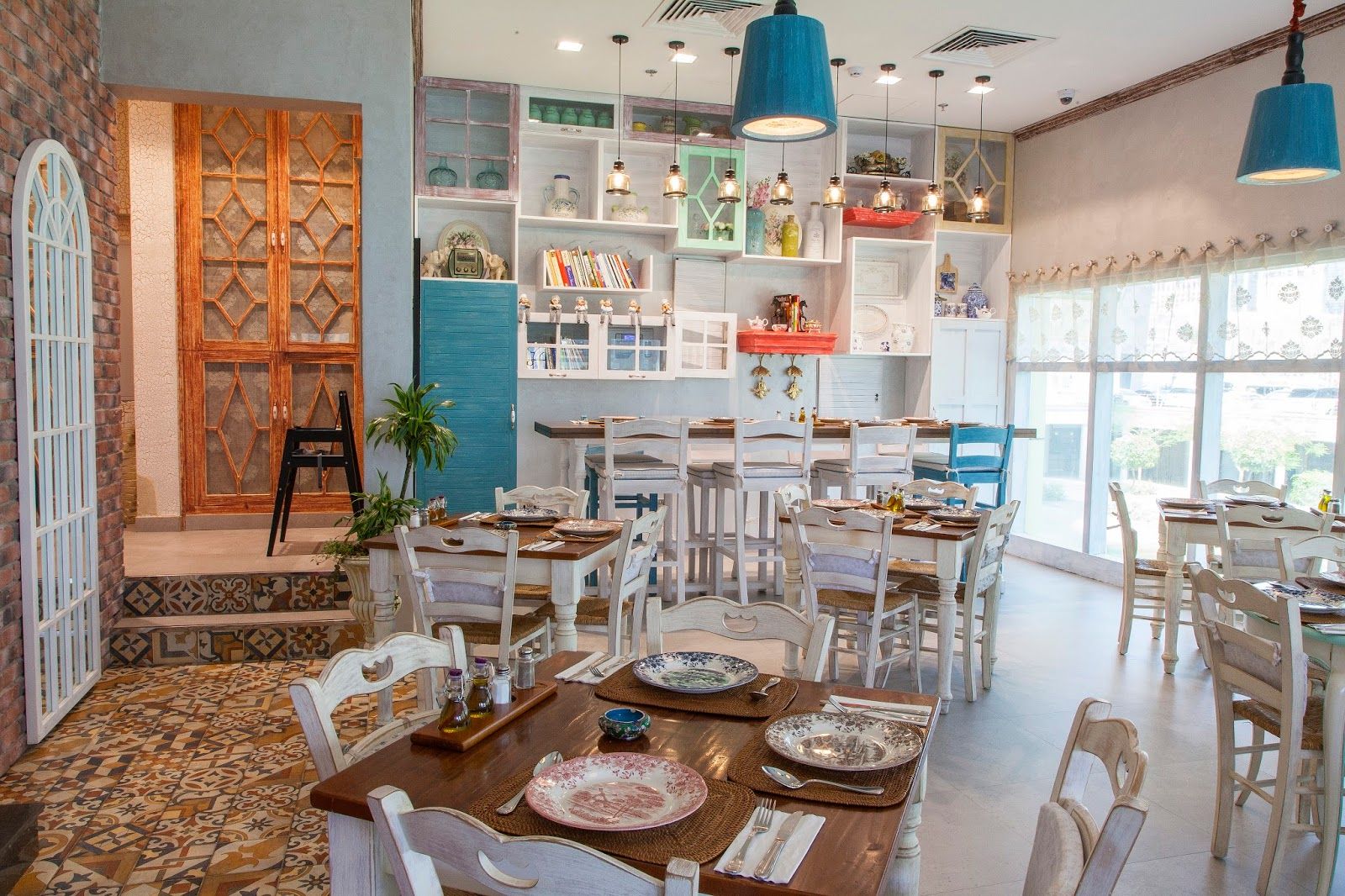
The original Salam Dakkak restaurant — the one that started it all. Bait Maryam sits in a corner of JLT and has built one of the most devoted fan bases of any restaurant in Dubai. The cooking here is Palestinian-Jordanian home cooking at its finest: hummus so creamy and perfectly balanced it makes you want to eat the bowl, manakish topped with za'atar and olive oil that brings the Levant to life, and a kunafa so perfectly executed that it has been the benchmark for the city's best dessert for years.
The room is small, the atmosphere cosy, and Chef Dakkak's presence and passion permeate everything. It won a Michelin Bib Gourmand — entirely deservedly. Book ahead; it fills up.

Levant Kitchen (Deira)
Not exclusively Jordanian, but with a Jordanian kitchen team that ensures the key dishes are done correctly. The mansaf here won't win style points — it arrives in a generous no-frills platter — but the jameed sauce is the real thing and the lamb is correctly braised. For Deira regulars who want accessible, authentic Jordanian food at prices that remain refreshingly honest, this is the neighbourhood spot that delivers every time.
The warak dawali (stuffed grape leaves) are excellent, simmered slowly in lemon and lamb broth until their flavours meld together. The fatayer — small pastries stuffed with spiced lamb or cheese and spinach — make a brilliant light lunch at under AED 15 for three pieces.
How to Order at a Jordanian Restaurant
- Always start with meze — hummus, mutabbal (smoky eggplant dip), labneh and fresh bread set the table
- Mansaf is a sharing dish — order one platter for 2–3 people, not individual portions
- Ask for the jameed sauce on the side if you're unfamiliar — it has a strong, tangy, fermented flavour that you may want to add gradually
- Order fatteh as a starter or side — it's one of Jordan's most distinctive dishes and a good introduction to the cuisine
- Never leave without dessert: kunafa or muhallabia (milk pudding with rose water) are the correct endings to a Jordanian meal
- Budget for bread — Jordanian meals go through a lot of it, and it's almost always excellent

Frequently Asked Questions
What is the best Jordanian restaurant in Dubai?
Rawabina Restaurant & Cafe in Garhoud is our top pick for overall authenticity and quality — it has been the benchmark for thirty years. For elevated fine dining, Sufret Maryam in Jumeirah is extraordinary. For value and atmosphere, Khashoka in Motor City is an outstanding newcomer.
Where can I eat mansaf in Dubai?
The best mansaf in Dubai is at Rawabina (most authentic), Khashoka (most accessible and affordable), and Sufret Maryam (most refined). All three use real jameed from Jordan, which is non-negotiable for a proper mansaf.
Is Jordanian food similar to Lebanese food?
Both are Levantine cuisines, but with key differences. Jordanian food is built around one grand centrepiece dish (mansaf) rather than a spread of many meze. It is more Bedouin in character — slow-cooked, lamb-centric, and warming. Lebanese cuisine emphasises fresh flavours, variety and charcoal grills.