The Best Jordanian Meze in Dubai: Small Plates with Big Soul
Before the mansaf arrives — before the great platter of lamb and rice that is Jordan's most famous gift to the world — there is the meze. A dozen bowls crowding the table. Creamy hummus catching the light. Smoky mutabbal with a pool of olive oil at its centre. Crisp fatayer pastries. Warak dawali glistening with lemon. Labneh soft enough to eat with a spoon. This is the Jordanian meze, and in the best restaurants in Dubai, it is every bit as memorable as the centrepiece that follows.
Jordanian meze sits within the broader Levantine tradition — shared with Lebanese, Palestinian and Syrian cuisines — but it has its own personality. It tends toward a deeper, more warming palette. The use of dried herbs, particularly za'atar, is more prominent. The flatbreads are thicker and more substantial. The fatteh — a layered assembly of crispy bread, chickpeas, yogurt and spiced meat that is uniquely Jordanian in its character — transforms meze from nibbles into a meal.
Essential Jordanian Meze Dishes
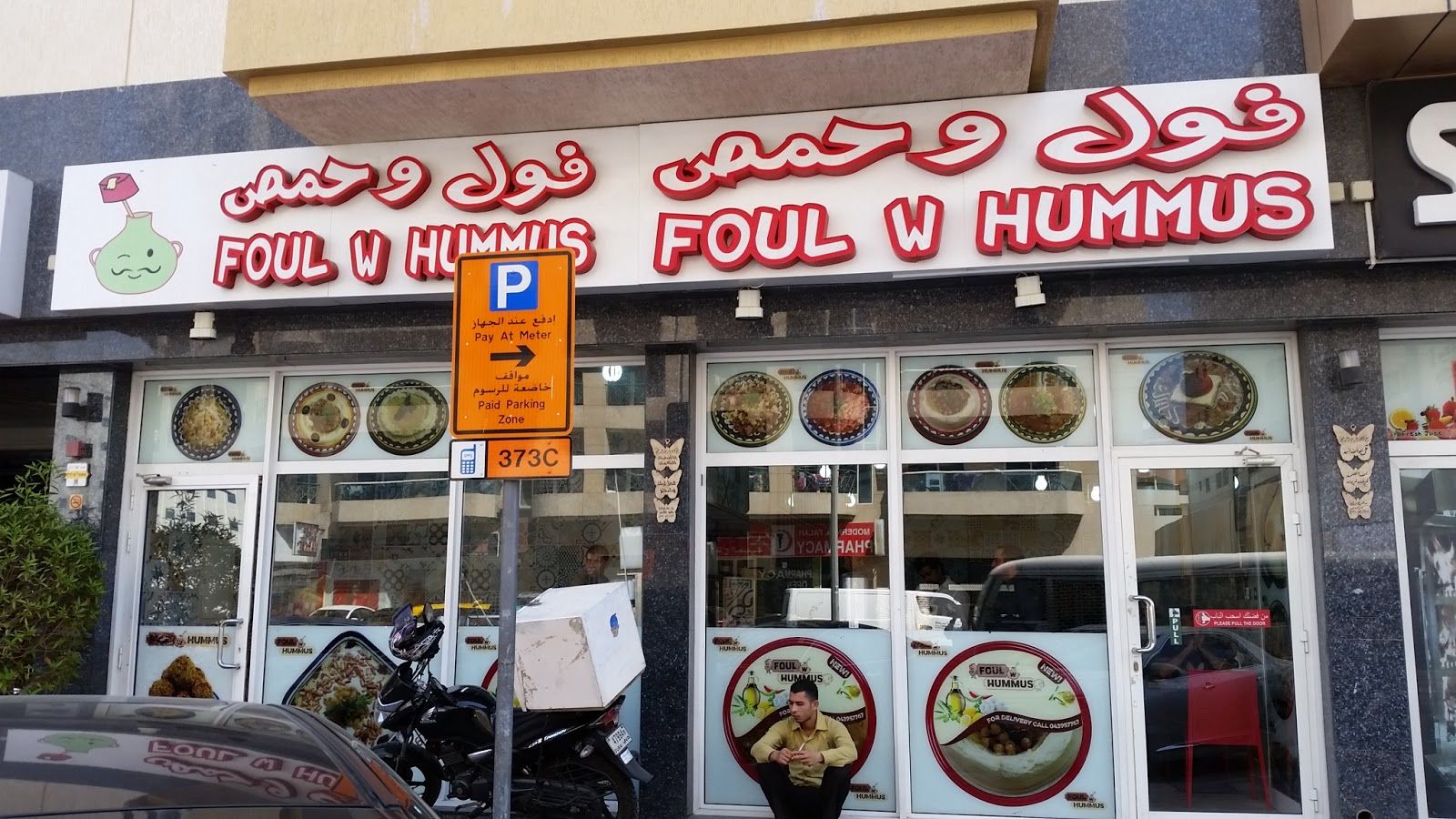
Hummus
The cornerstone of every Jordanian table. Quality hummus is silky, nutty, slightly tangy, and served warm with a generous pool of olive oil and a dusting of sumac or paprika.
Mutabbal
Char-grilled eggplant blended with tahini, lemon and garlic into a smoky, complex dip. Superior in depth to baba ghanoush — the char must be deep and the tahini generous.
Labneh
Strained yogurt — silky, tangy, somewhere between cream cheese and Greek yogurt. Drizzled with good olive oil and dusted with dried za'atar. Essential with warm bread.
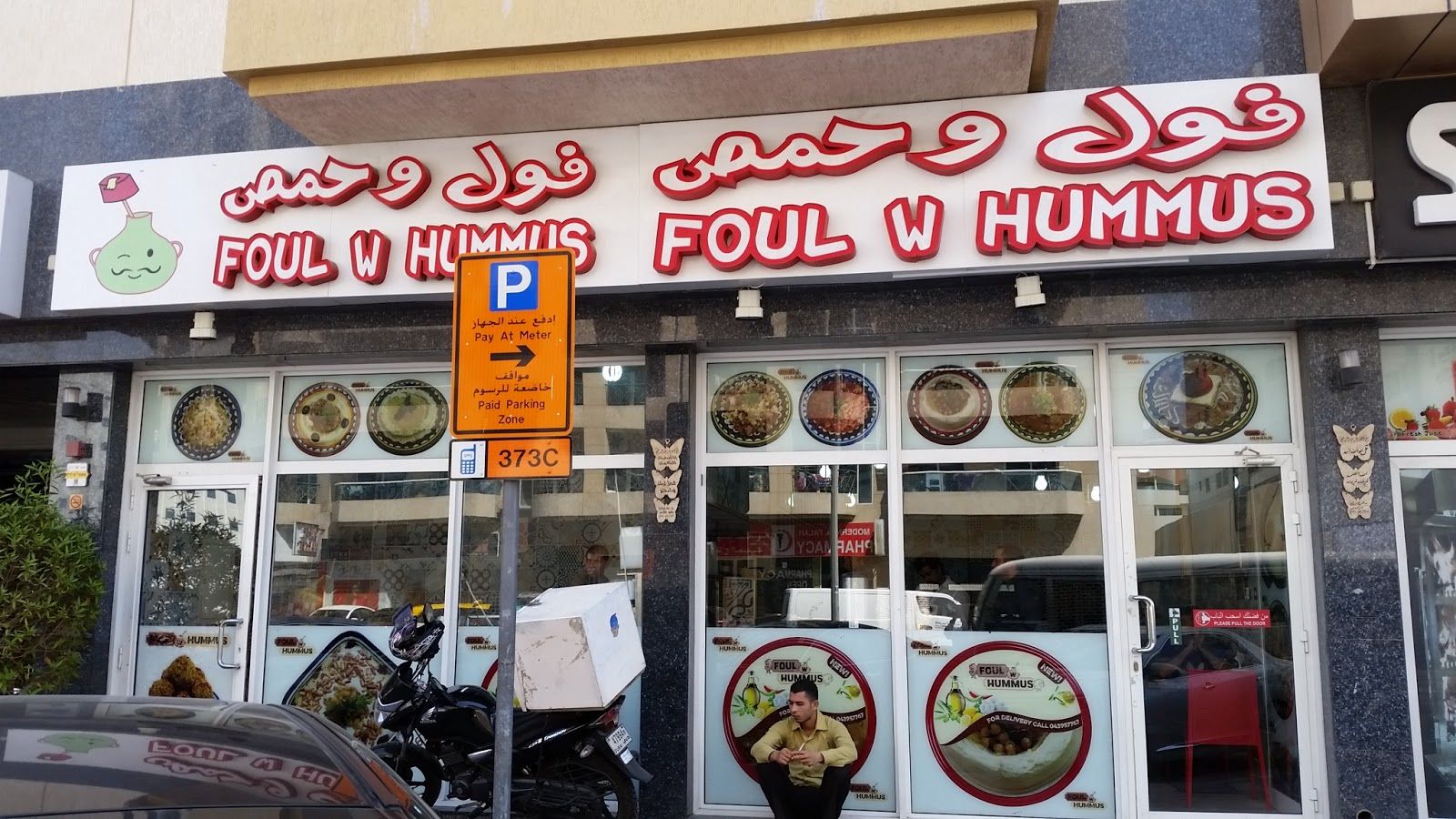
Fatteh
Jordan's most distinctive meze — layers of crispy fried bread, warm chickpeas, cold yogurt, tahini sauce and spiced minced lamb, served immediately before the layers collapse. A textural masterpiece.
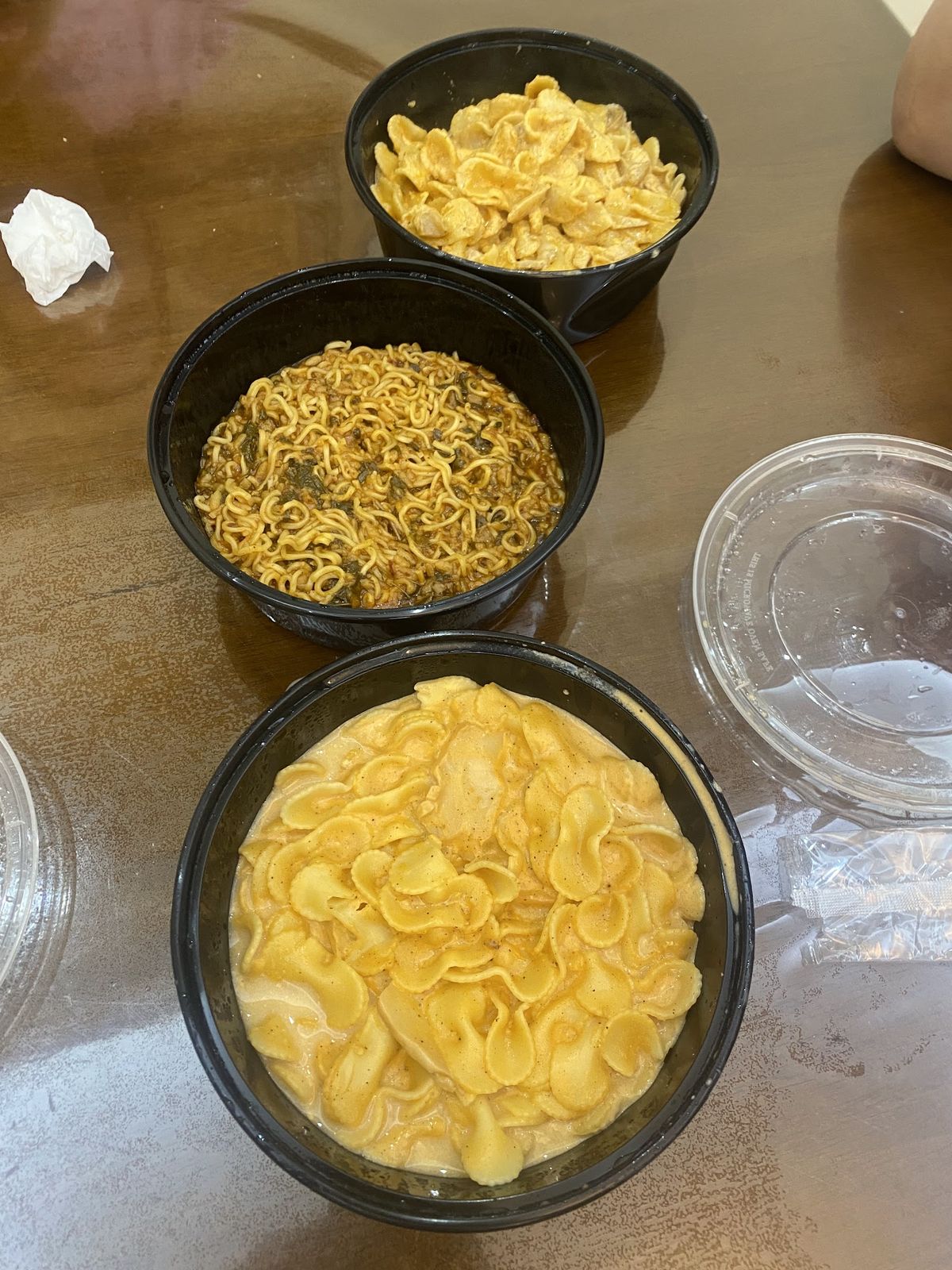
Warak Dawali
Stuffed grape leaves filled with herbed rice and minced lamb, simmered gently in lemon and lamb broth. The best versions have a slight tartness from the vine leaf that cuts through the richness.
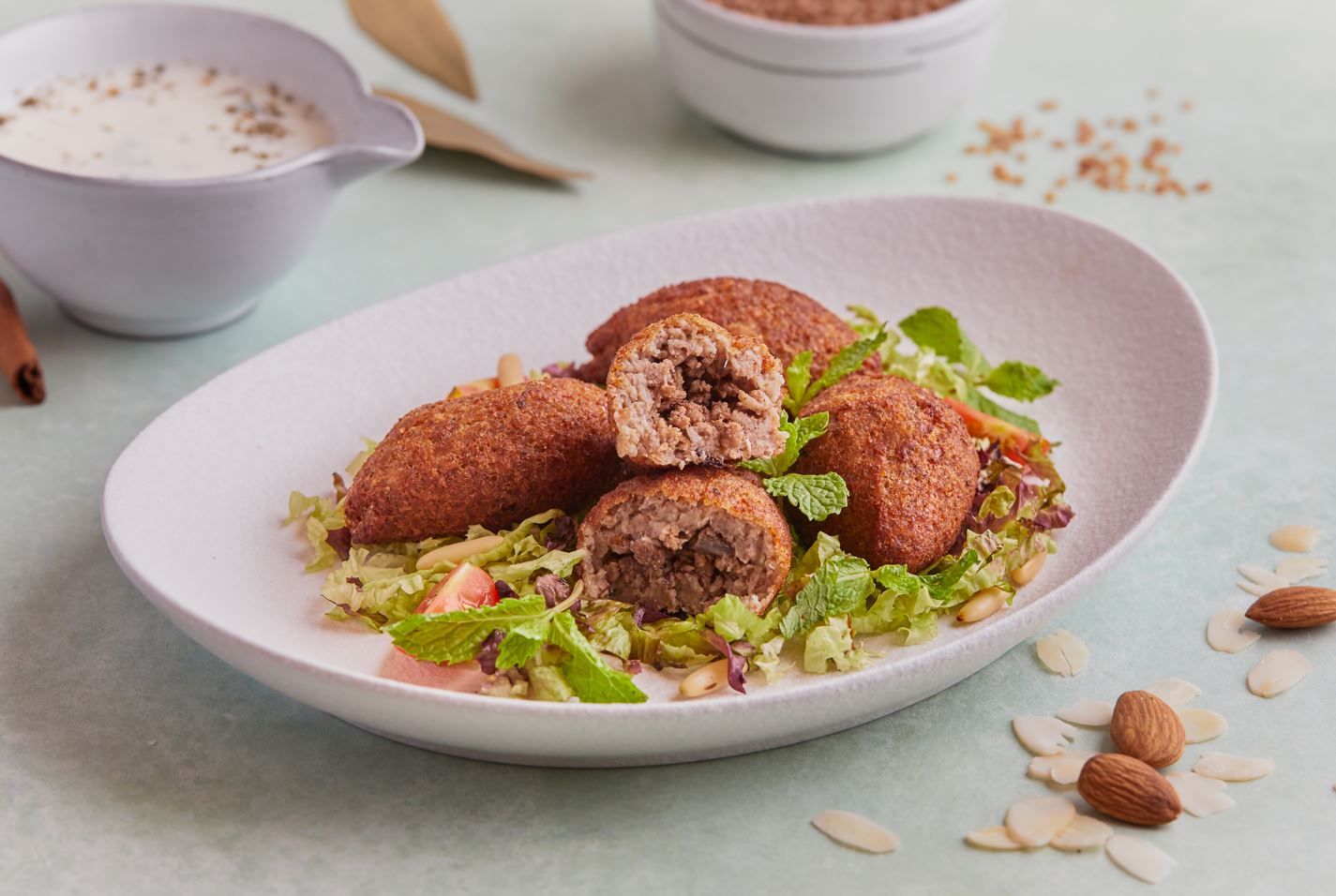
Kibbeh
Football-shaped croquettes of minced lamb and bulgur wheat, deep-fried to a shattering crust. Inside: a filling of spiced lamb and pine nuts. Crispy outside, fragrant within.
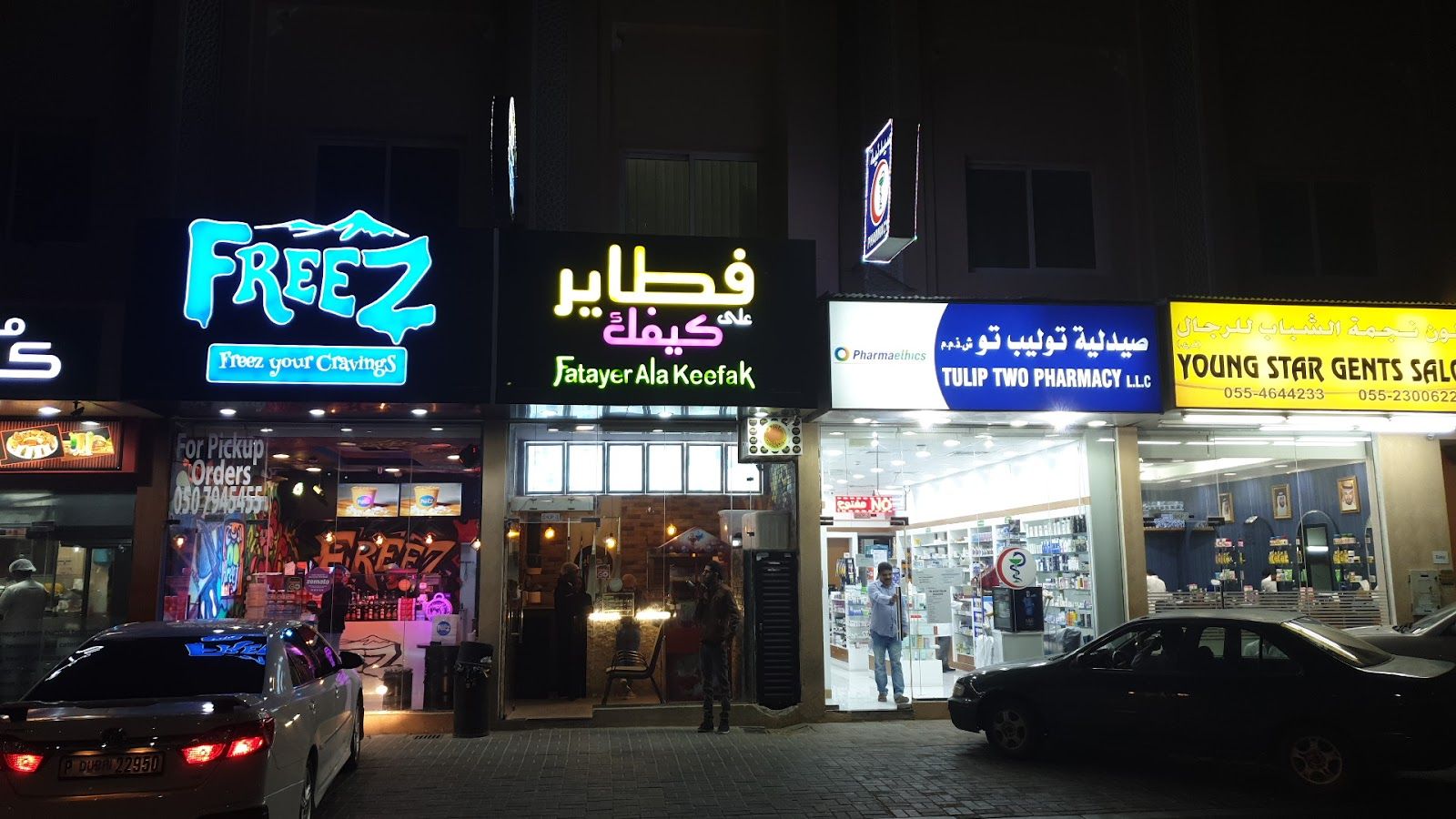
Fatayer
Small triangular pastries filled with spiced lamb, or spinach and cheese. Baked until golden. Excellent bar snack or meze starter — order both fillings and eat them in quick succession.
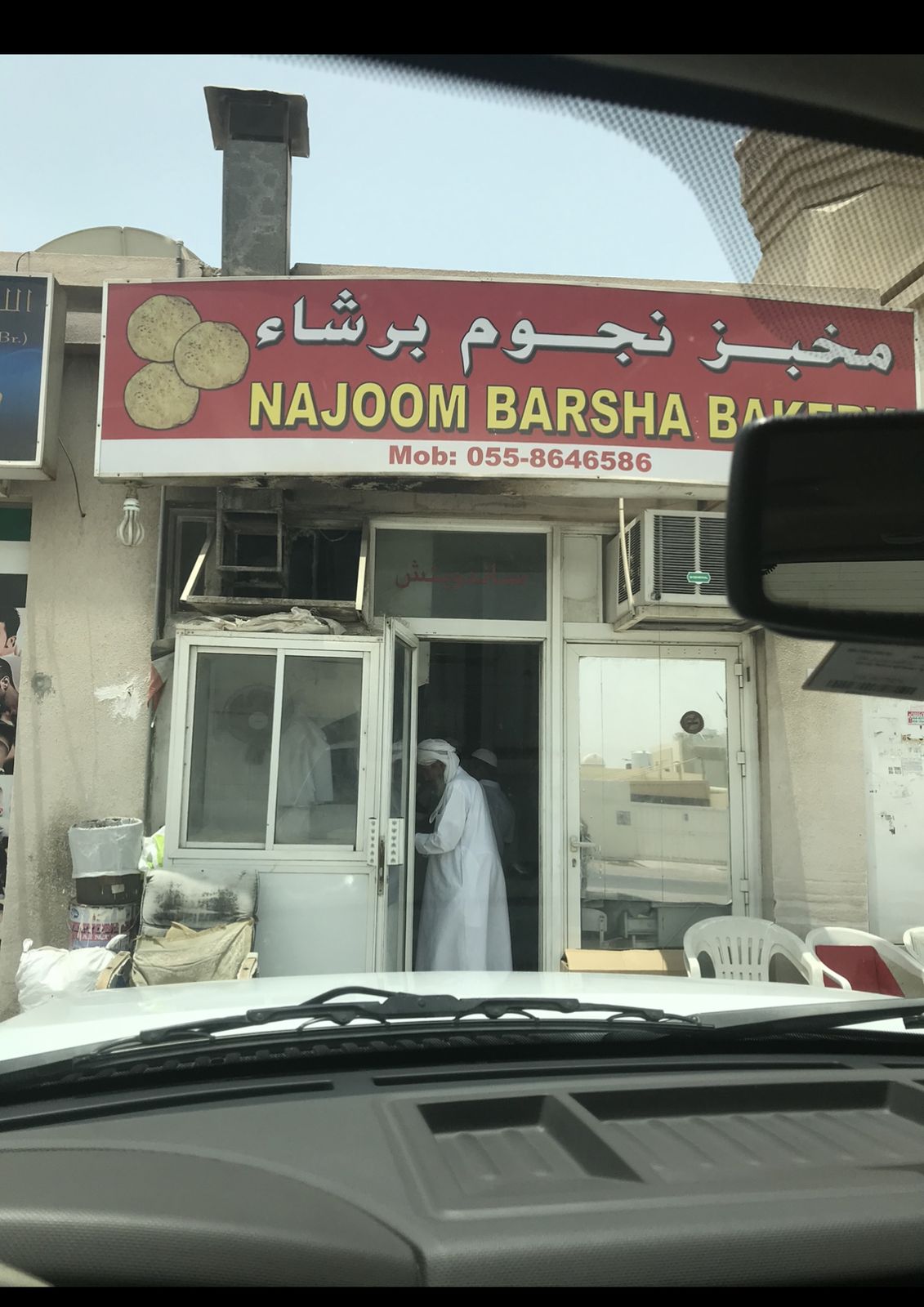
Taboon Bread
Thick, slightly chewy flatbread baked in a traditional clay oven. The Jordanian bread of choice — ideal for scooping hummus, tearing for warak dawali and mopping mansaf platters clean.
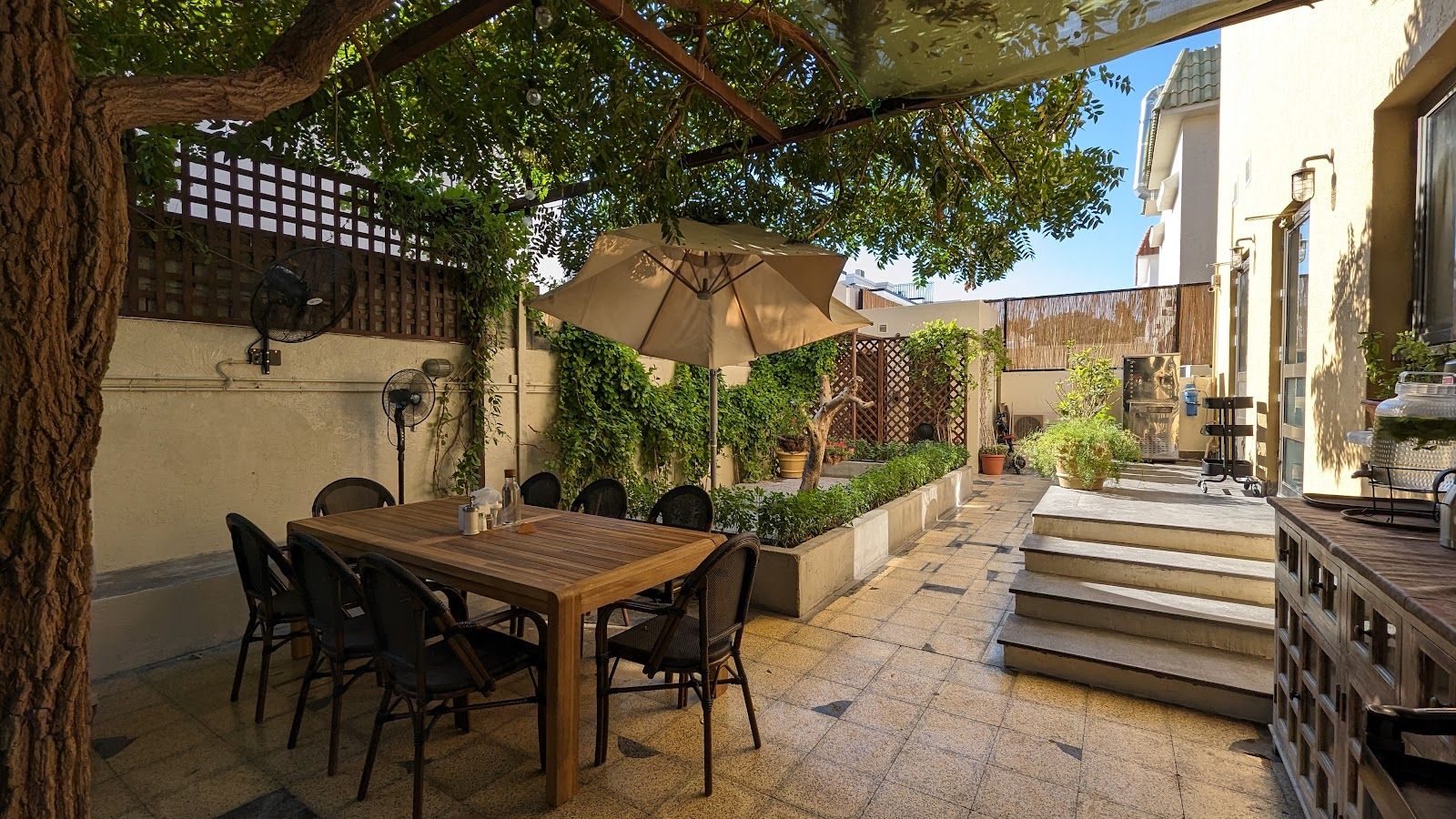
Musakhan Rolls
Shredded roasted chicken with sumac-caramelised onions, wrapped in taboon bread. Bridges the gap between meze and main — deeply satisfying, with that signature sumac tang cutting through the richness.
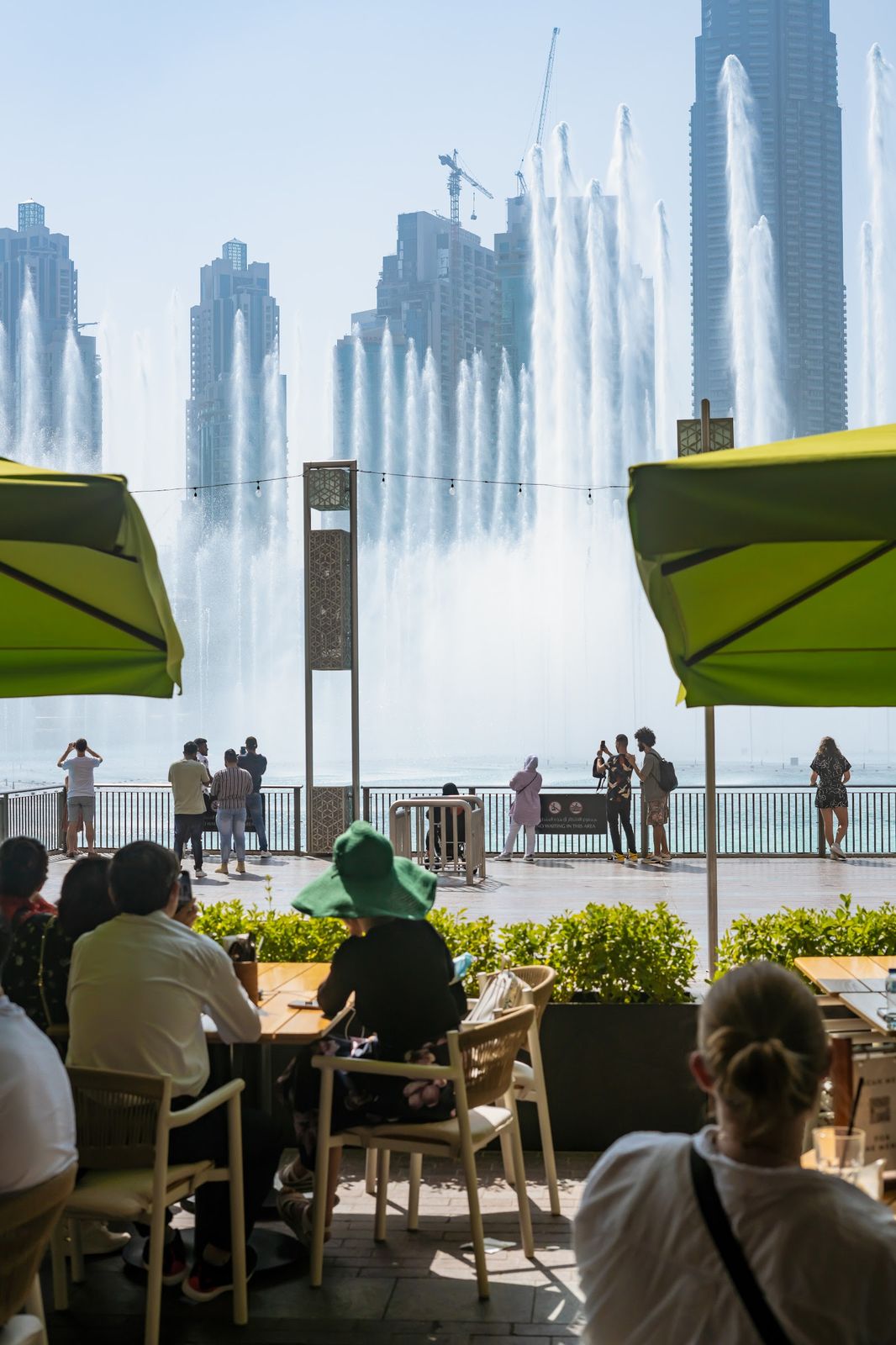
Where to Eat the Best Jordanian Meze in Dubai
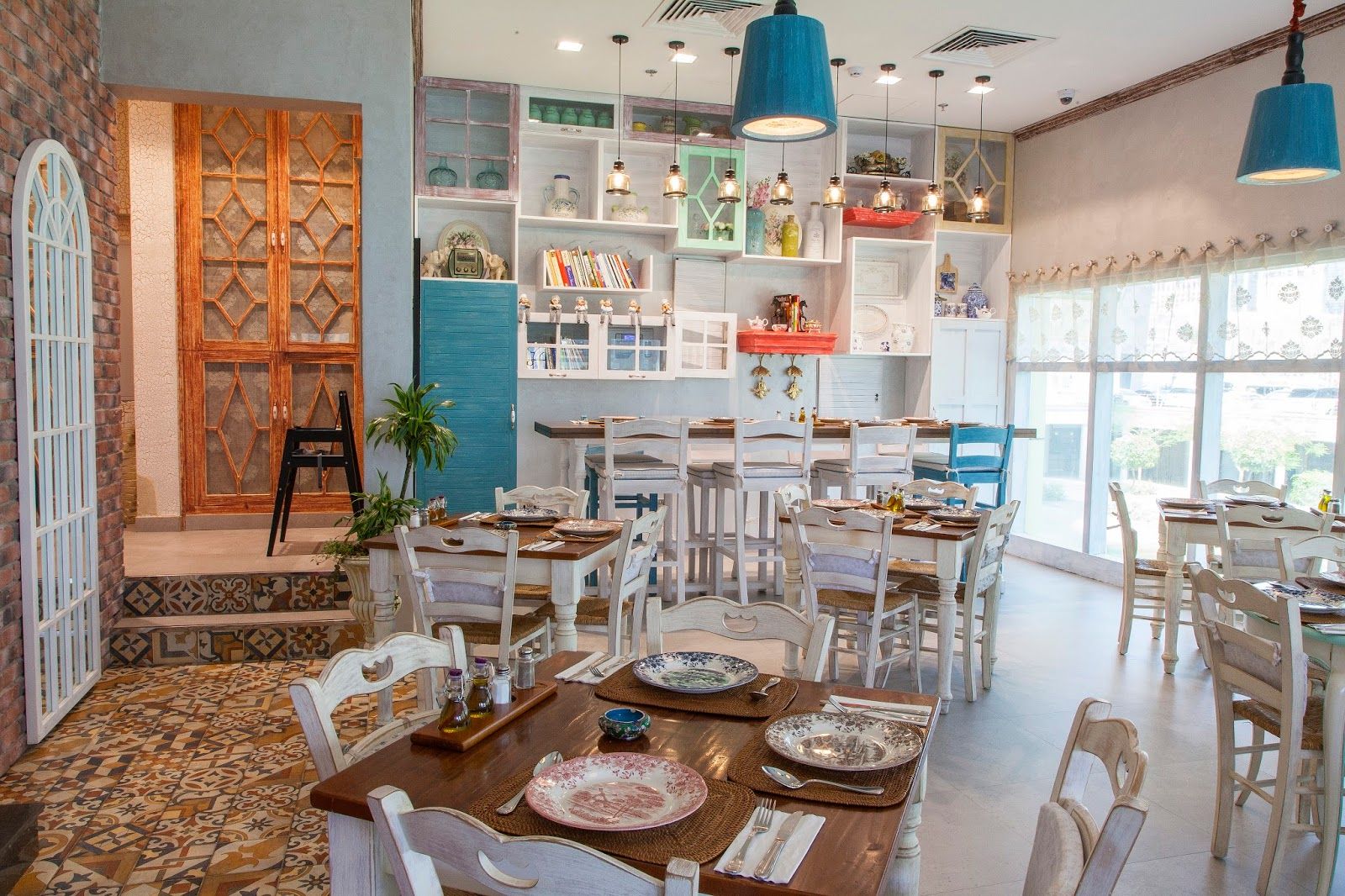
Bait Maryam
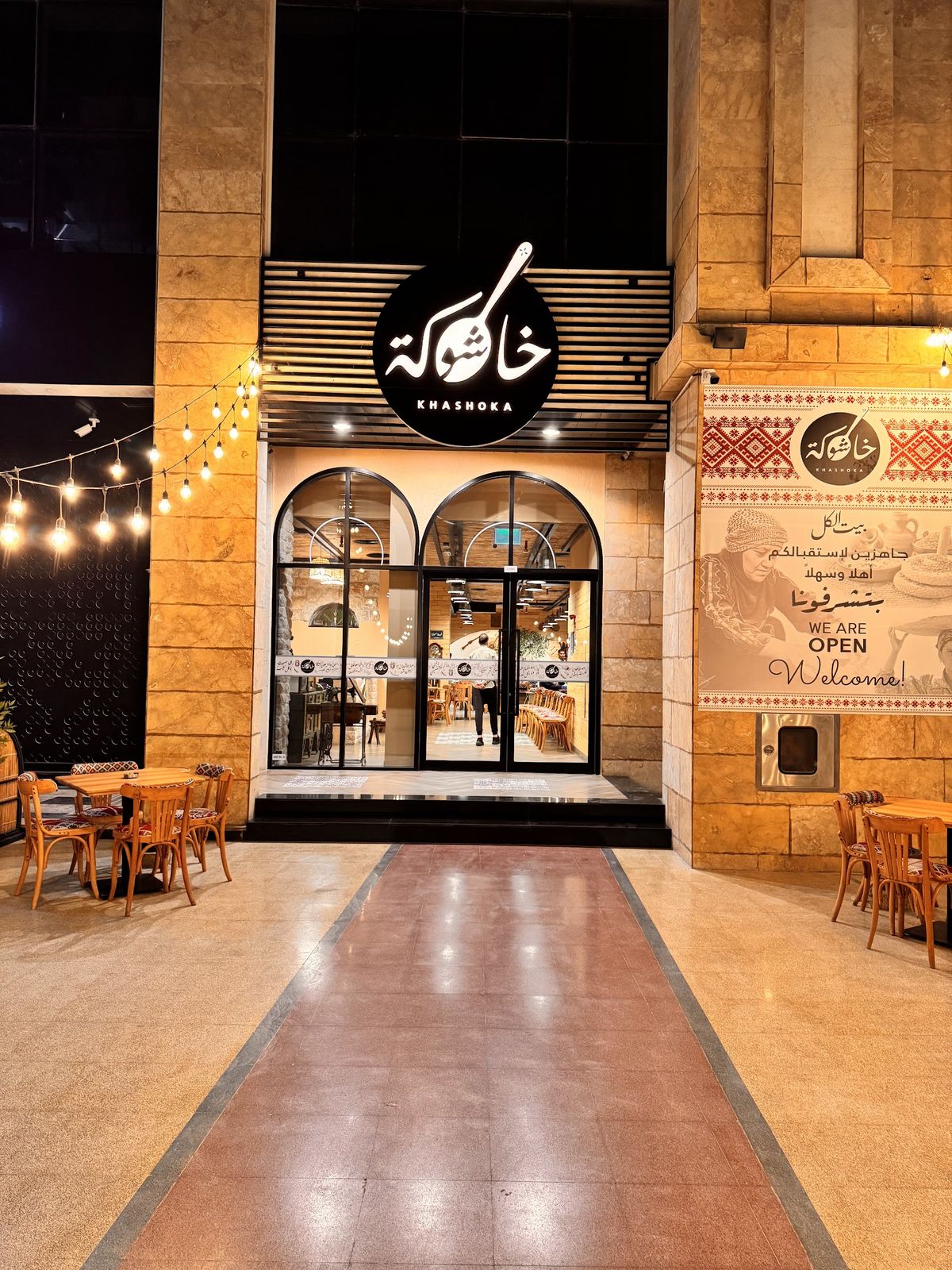
Khashoka
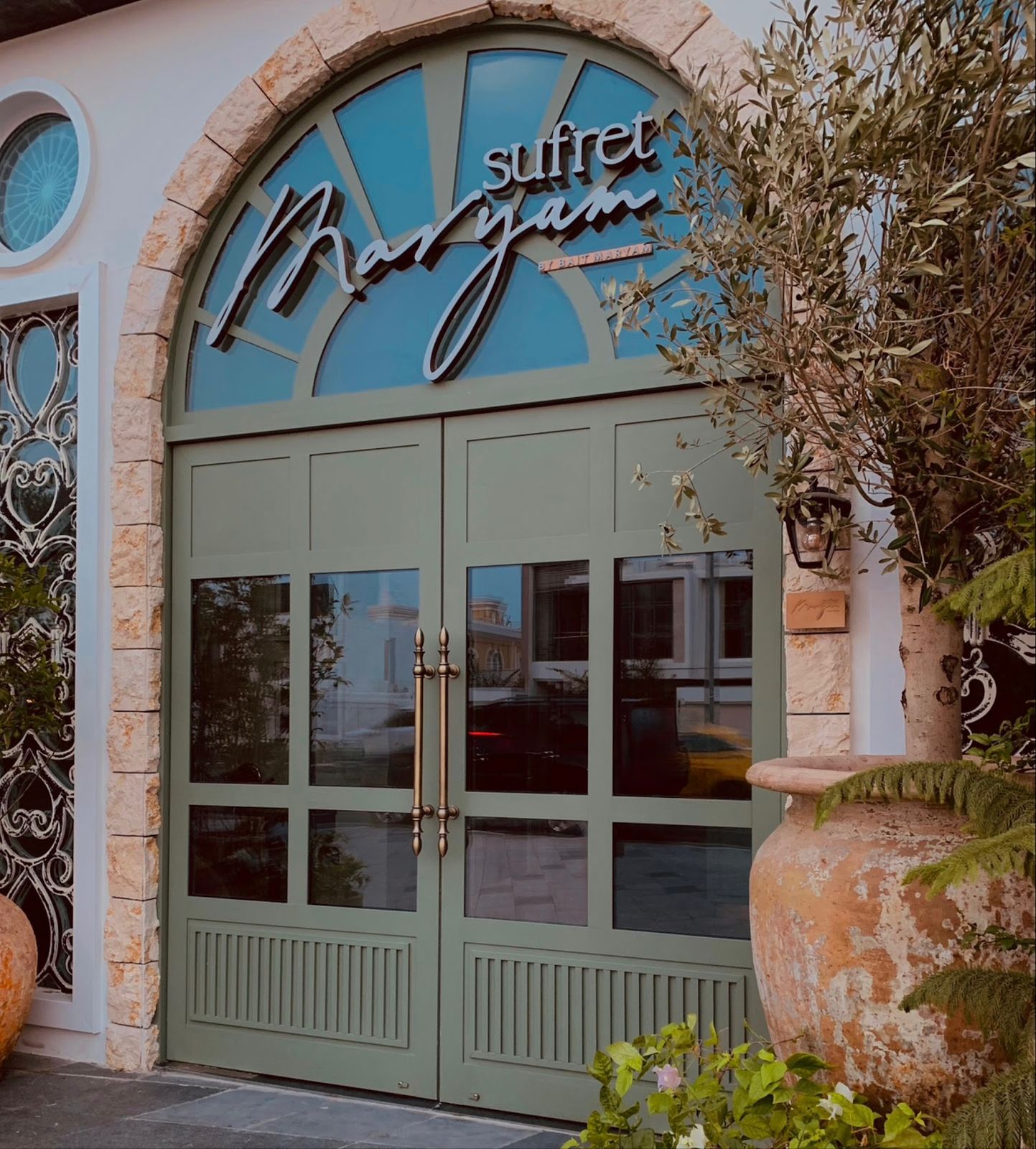
Sufret Maryam
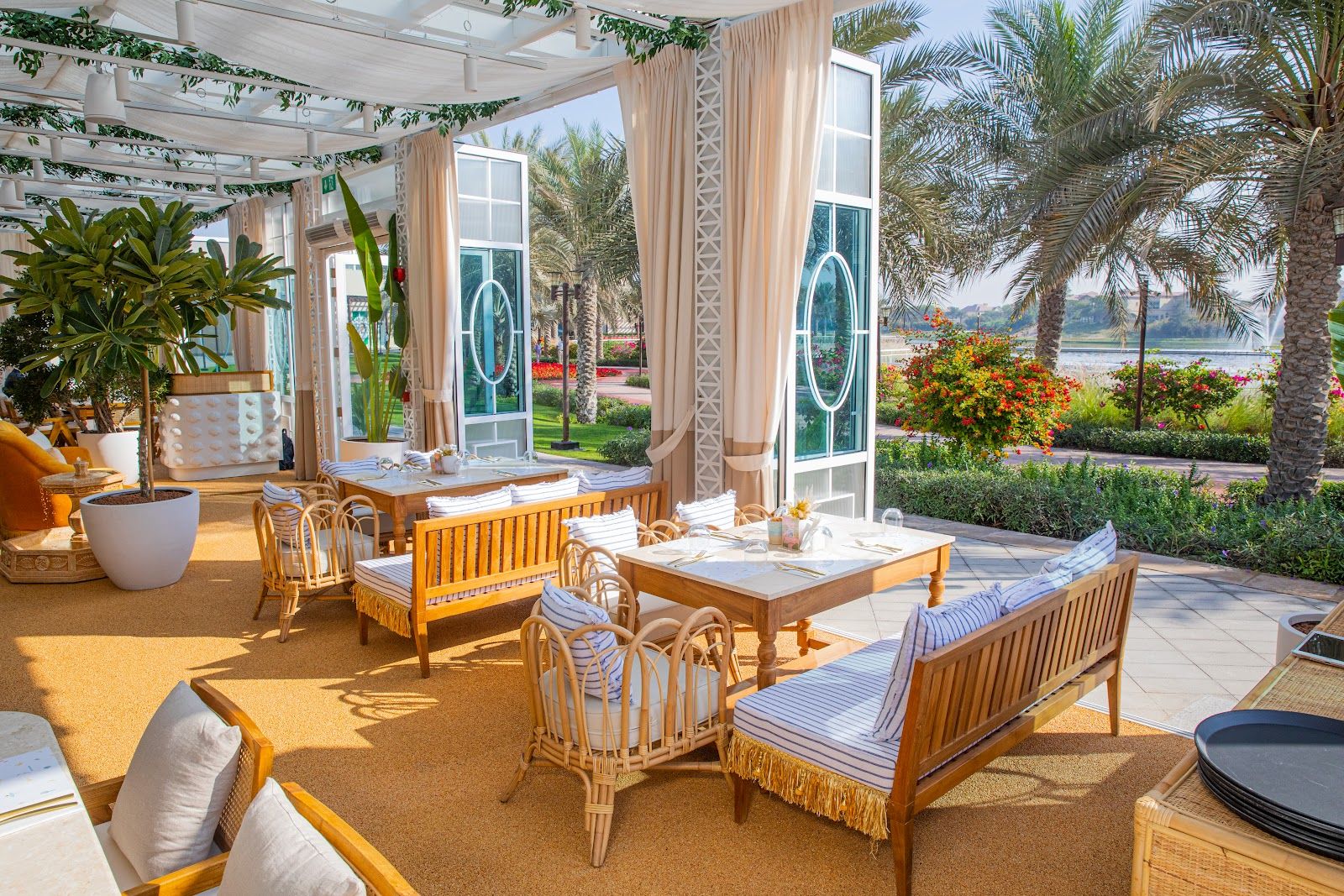
Rawabina
Jordanian vs Lebanese Meze: Key Differences
Both cuisines share a meze tradition, but the emphasis differs in important ways. Lebanese meze is broader and more diverse — typically featuring 15–20 different dishes, including many fish and seafood options, and heavier on fresh salads like tabbouleh and fattoush. Jordanian meze is warmer and more substantial, with a greater emphasis on cooked dishes: fatteh, warak dawali, kibbeh and fatayer feature more prominently than they would on a Lebanese table.
Bread also differs. Lebanese cuisine favours thin, pliable khubz (Arabic bread); Jordanian cooking prizes the thicker, chewier taboon bread and the paper-thin shrak flatbread, both cooked in clay ovens. The za'atar blend used for labneh dipping is also more intensely herbal in Jordanian cooking — more thyme-forward, with less sumac than its Lebanese counterpart.
The Perfect Jordanian Meze Order — For Two
- Hummus — with warm taboon bread, always the first dish on the table
- Mutabbal — order alongside the hummus; the contrast is the point
- Labneh — with za'atar and olive oil, for spreading on bread between other dishes
- Fatteh — one portion split between two, eaten immediately when it arrives
- Warak dawali — 8–10 pieces, ordered as a warm meze between cold dips and main
- Kibbeh — fried, 4–6 pieces, for crunch and substance
- Fatayer — mixed filling (half lamb, half spinach-cheese)
How to Eat Jordanian Meze Like a Local
- Order everything at once — Jordanian meze is meant to arrive together and be grazed across leisurely
- Fatteh is time-sensitive — eat it within minutes of arrival before the bread softens and the textures collapse
- Never spread hummus on your bread — tear the bread and scoop into the bowl rather than spreading
- The olive oil pool in the hummus is not garnish — it is part of the dish; mix it in as you eat
- At Khashoka, the meze also works beautifully as a late-night meal from 10pm onwards
- Mint tea is the correct beverage — ask for it with dried mint leaves rather than the tea bag version
Frequently Asked Questions
What is Jordanian meze?
Jordanian meze is a spread of small dishes shared at the table before (and during) the main meal. It typically includes cold dips (hummus, mutabbal, labneh), warm cooked dishes (fatteh, warak dawali, kibbeh, fatayer), and fresh salads. It draws from the broader Levantine tradition but has its own distinct character — warmer, more substantial, and with a prominent role for fatteh.
What is fatteh and why is it uniquely Jordanian?
Fatteh is a layered dish of crispy fried bread, warm chickpeas, cold yogurt, tahini and spiced lamb — all assembled moments before serving. While versions exist across the Levant, the Jordanian fatteh is particularly associated with breakfast and brunch culture and is considered the country's most distinctive meze contribution.
How much does a Jordanian meze spread cost in Dubai?
A full meze spread for two at Bait Maryam or Rawabina runs AED 80–130. At Khashoka in Motor City it can be as low as AED 60 for two, given their extraordinary value pricing. At Sufret Maryam, budget AED 200+ for two people including meze and main.