Jordanian Food in Dubai: The Complete Guide to the Kingdom's Generous Table
There is a generosity at the heart of Jordanian cooking that you feel the moment a platter of mansaf lands on your table — a mountain of fragrant rice, slow-braised lamb, fermented yogurt sauce pooling between grains, the whole glorious thing strewn with golden almonds and pine nuts. Jordanian food is a cuisine built for sharing, for celebration, for welcoming strangers as honoured guests. And in Dubai, that spirit has taken root beautifully.
The Jordanian community in Dubai is large, tight-knit and uncompromising about the quality of its food. The city's Jordanian restaurants range from humble neighbourhood spots that have been feeding homesick expats for three decades to bright, stylish newcomers exporting Amman's most-loved dining concepts directly to the UAE. Whether you're seeking the national dish, a Bedouin zarb experience, or simply the world's best fatteh, this guide tells you exactly where to go.
What is Jordanian Cuisine?
Jordanian cuisine is rooted in the traditions of the Bedouin — the nomadic tribes who shaped the region's culture over centuries. It prizes lamb above all other meats, uses rice and flatbread as the foundation of every great meal, and builds flavour through slow cooking rather than complex spicing. The cuisine shares DNA with Palestinian, Syrian and Lebanese cooking — all Levantine — but has its own distinct identity, shaped by the Jordanian landscape of desert plateaus, fertile valleys and the shores of the Dead Sea.
Where Lebanese cuisine leans toward brightness and acidity, Jordanian food leans toward warmth and weight. The star ingredients are jameed (dried fermented goat's yogurt that forms the base of mansaf sauce), slow-roasted lamb, shrak flatbread, and warming spice blends built around allspice, cinnamon and cardamom. It is a cuisine where the pot has been simmering for hours before you sit down.
Essential Jordanian Dishes to Know
- Mansaf — Jordan's UNESCO-recognised national dish: slow-cooked lamb in jameed yogurt sauce over rice on shrak bread
- Zarb — Bedouin buried meat cooked slowly underground in a sealed pit — smoky, falling-off-the-bone perfection
- Maqluba — "upside-down" rice dish with spiced lamb and vegetables, flipped tableside for drama
- Musakhan — layers of roasted chicken, caramelised onions and sumac piled on taboon bread
- Fatteh — crispy bread shards layered with chickpeas, yogurt, tahini and warm spiced meat
- Warak Dawali — stuffed grape leaves filled with herb rice and lamb, simmered in lemon
- Kibbeh — minced lamb and bulgur wheat, fried crisp or served raw with olive oil and sumac
- Kunafa — Palestinian-Jordanian cheese pastry bathed in sugar syrup, possibly the region's most addictive dessert
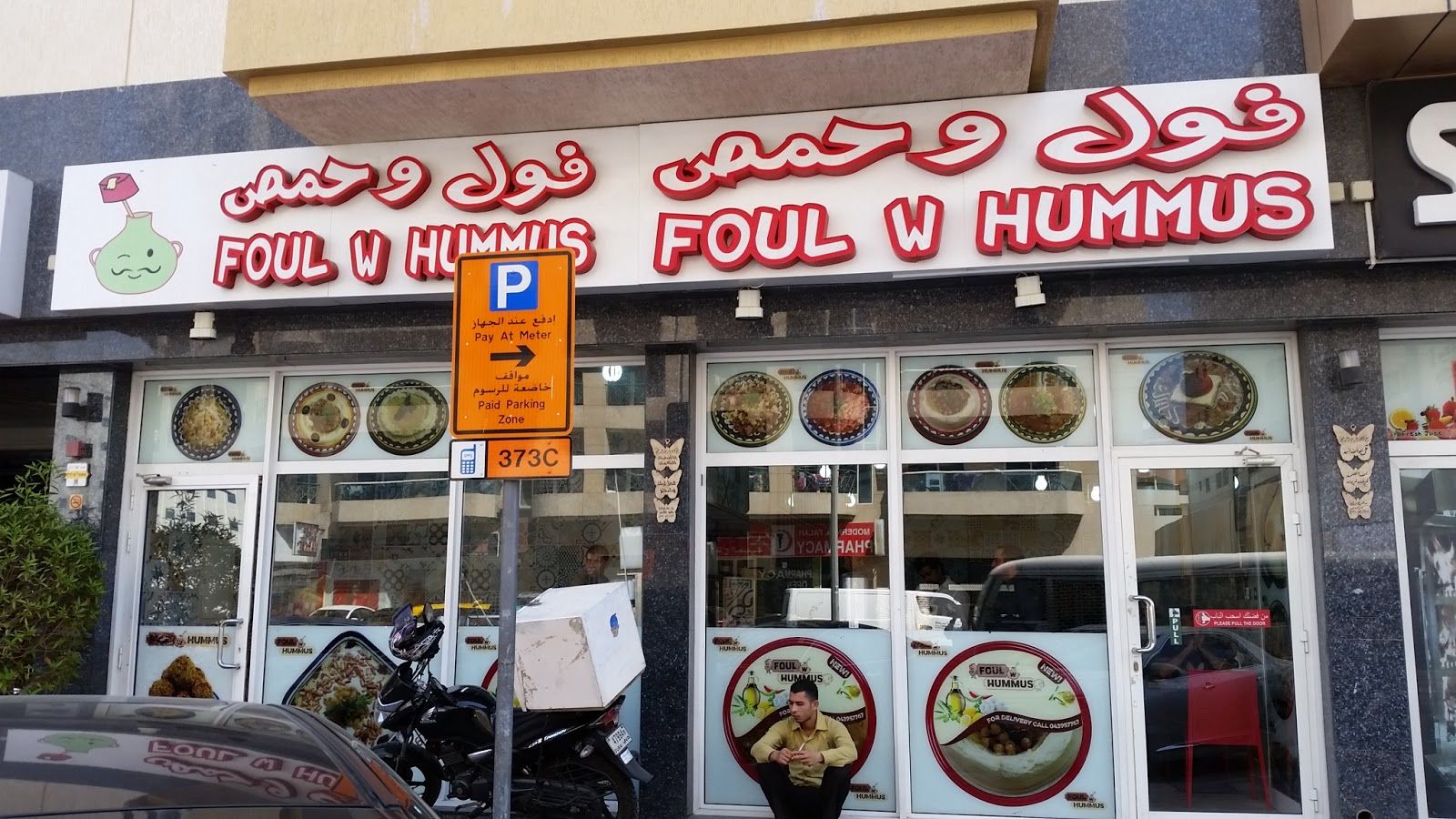
The Best Jordanian Restaurants in Dubai
Dubai's Jordanian restaurant scene is concentrated in areas with large Arab expat communities — Garhoud, Motor City, JLT and Jumeirah — but the quality and authenticity rival anything you'd find in Amman itself. Here are the venues that genuinely deliver.

Rawabina Restaurant & Cafe
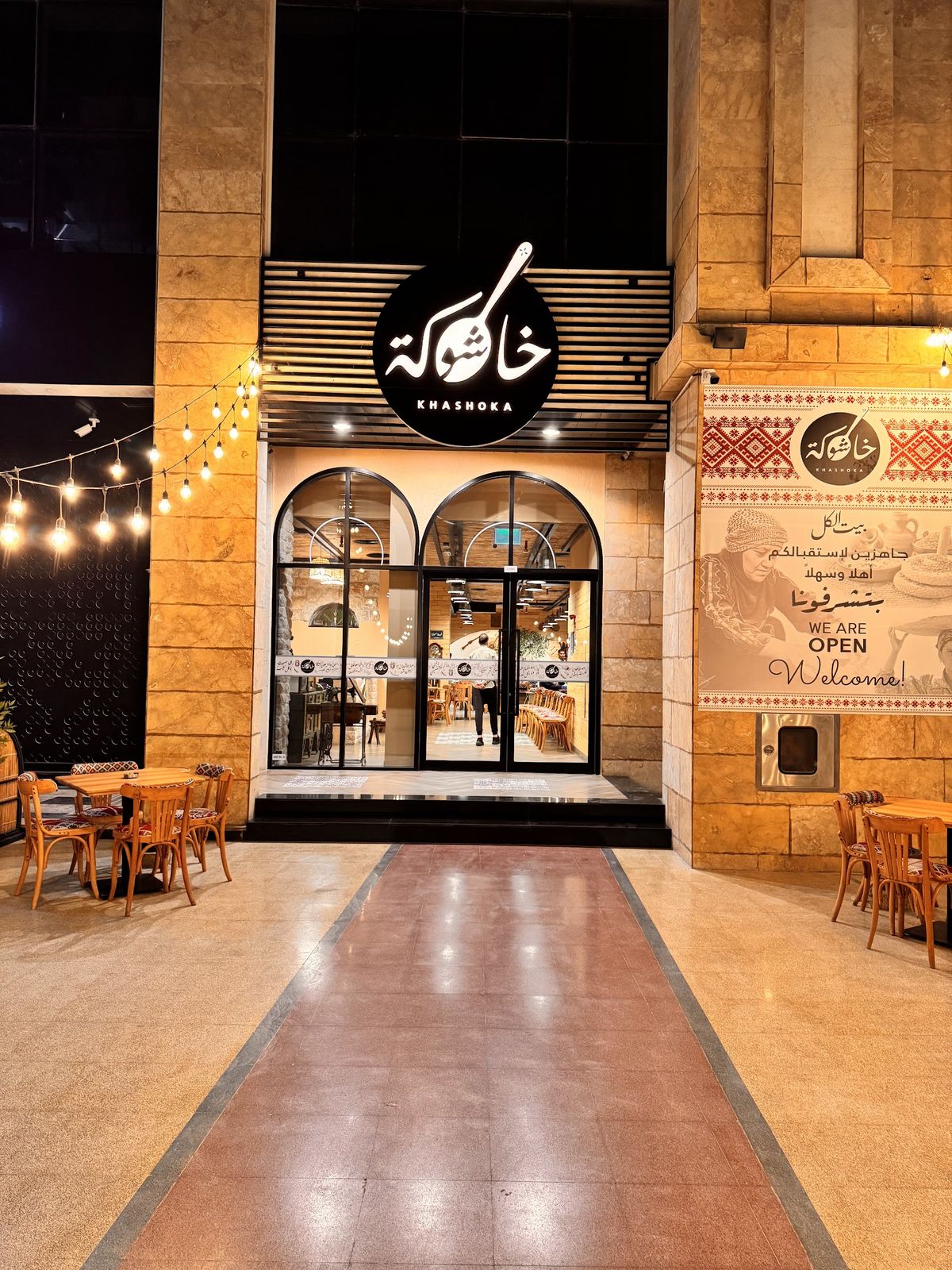
Khashoka
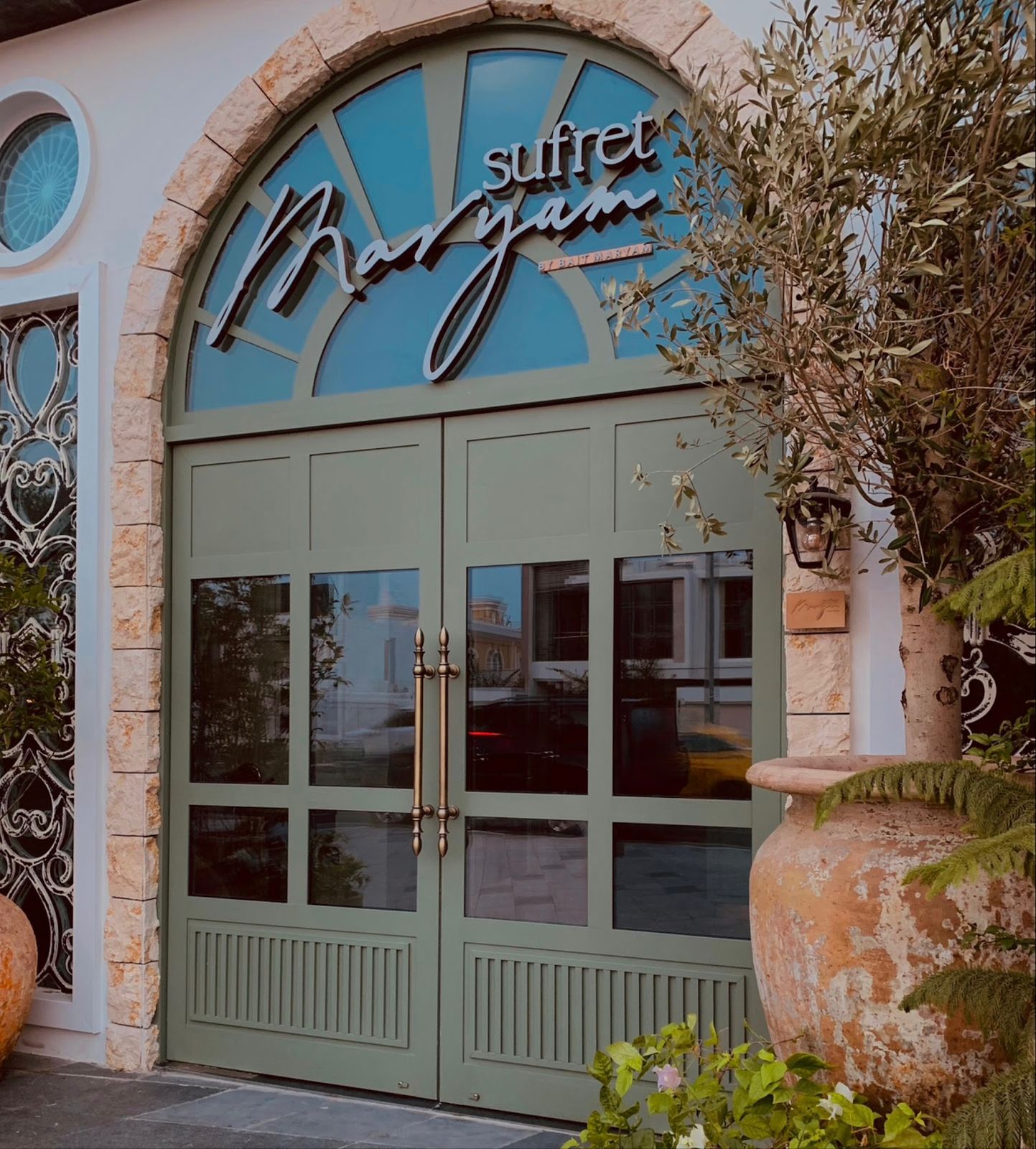
Sufret Maryam
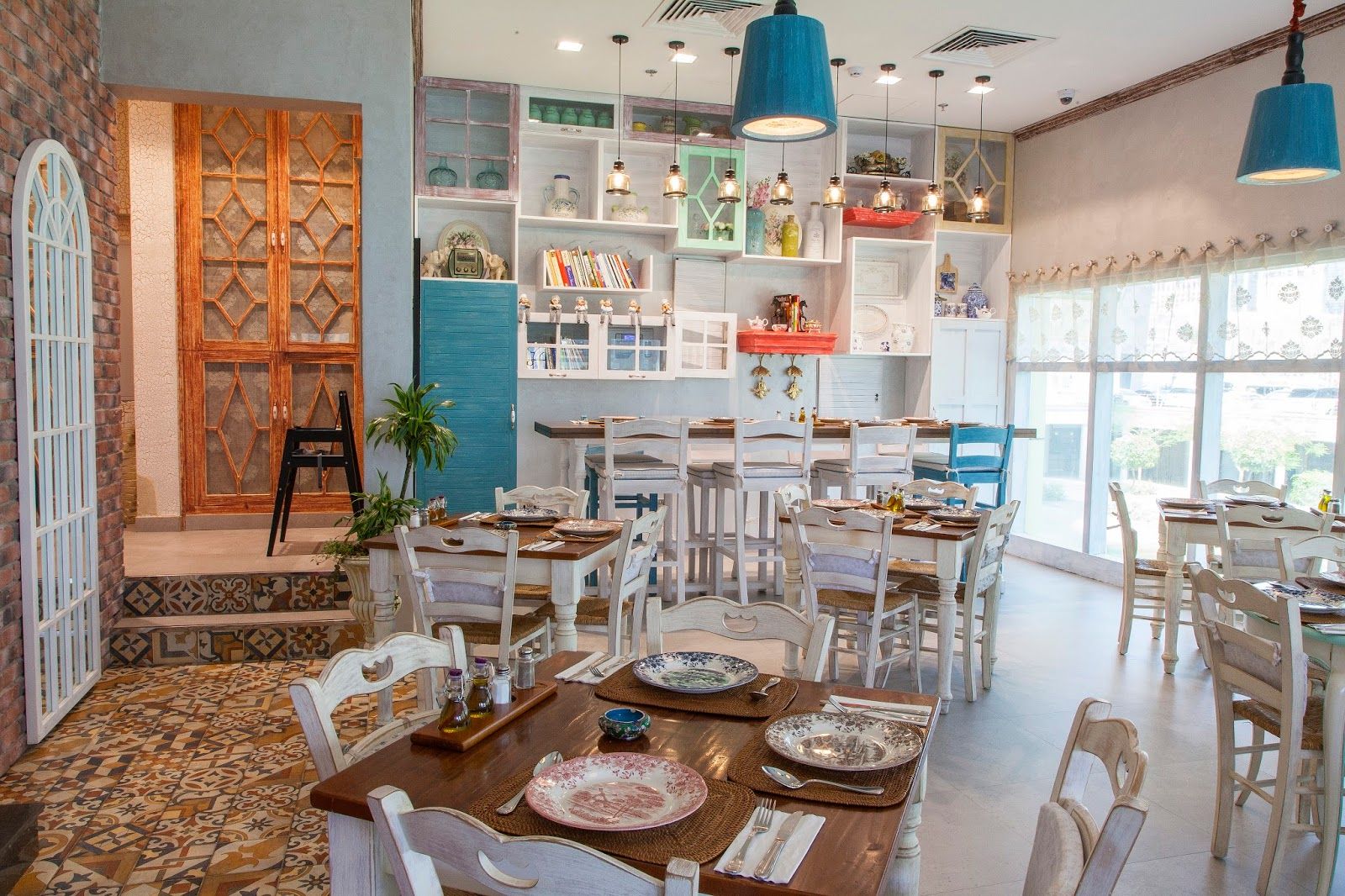
Bait Maryam
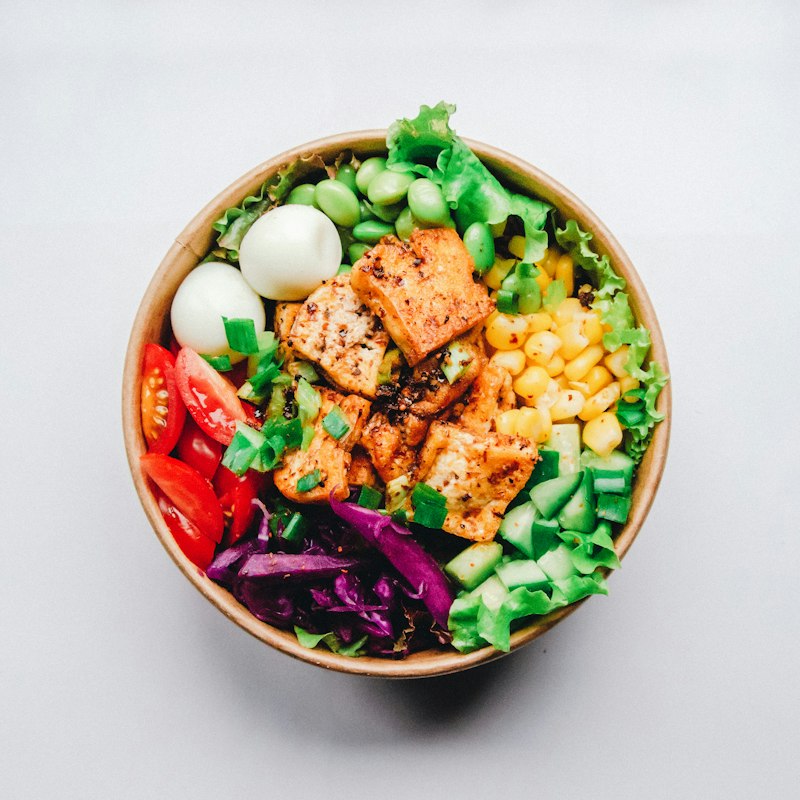
The Jordanian National Dish: A Mansaf Guide for Dubai
UNESCO officially inscribed mansaf on its Intangible Cultural Heritage list in 2022, recognising what every Jordanian already knew: this is not merely food. Mansaf is ceremony. Weddings, Eid celebrations, reconciliations between feuding families, the welcome of honoured guests — mansaf is the dish that marks life's important moments.
The dish is built in layers. First comes the shrak — a paper-thin flatbread that lines the platter. Then rice cooked in broth, fragrant with spice. Then the lamb — whole pieces, braised until they threaten to fall from the bone — placed on top. And finally, the jameed sauce: a rich, tangy, deeply savoury liquid made from rehydrated dried fermented goat's yogurt. Toasted almonds and flat-leaf parsley complete the picture.
Eating mansaf correctly is an art. The traditional method is standing around the platter, forming the rice and meat into balls with your right hand. In Dubai's restaurants you will almost certainly be given a plate — but the spirit remains the same. You eat together, you eat generously, and you eat until you are thoroughly satisfied.
In Dubai, Rawabina serves the most authentic mansaf — their jameed is sourced directly from Jordan, and the lamb is braised slowly enough that the sauce achieves the right balance of tang and richness. Khashoka offers a slightly more accessible version, ideal for mansaf first-timers. For a more refined take, Sufret Maryam presents mansaf with elegant plating that makes the dish feel entirely new while remaining entirely true.
Jordanian Cuisine by Area: Where to Find It in Dubai
| Area | Best Spot | Signature Dish | Budget |
|---|---|---|---|
| Garhoud / Umm Al Sheif | Rawabina Restaurant & Cafe | Mansaf, Maqluba | AED 60–180 |
| Motor City | Khashoka | Fatteh, Musakhan, Mansaf | AED 8–80 |
| JLT | Bait Maryam | Hummus, Manakish, Kunafa | AED 50–120 |
| Jumeirah 1 | Sufret Maryam | Elevated Mansaf, Musakhan | AED 150–250 |
| Deira | Various Levantine spots | Mixed Levantine meze and grills | AED 30–80 |
Must-Try Jordanian Dishes in Dubai

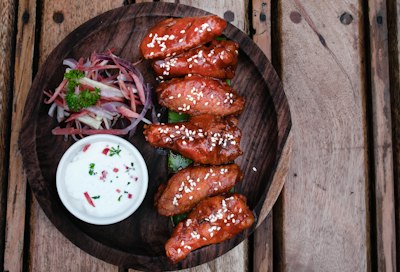
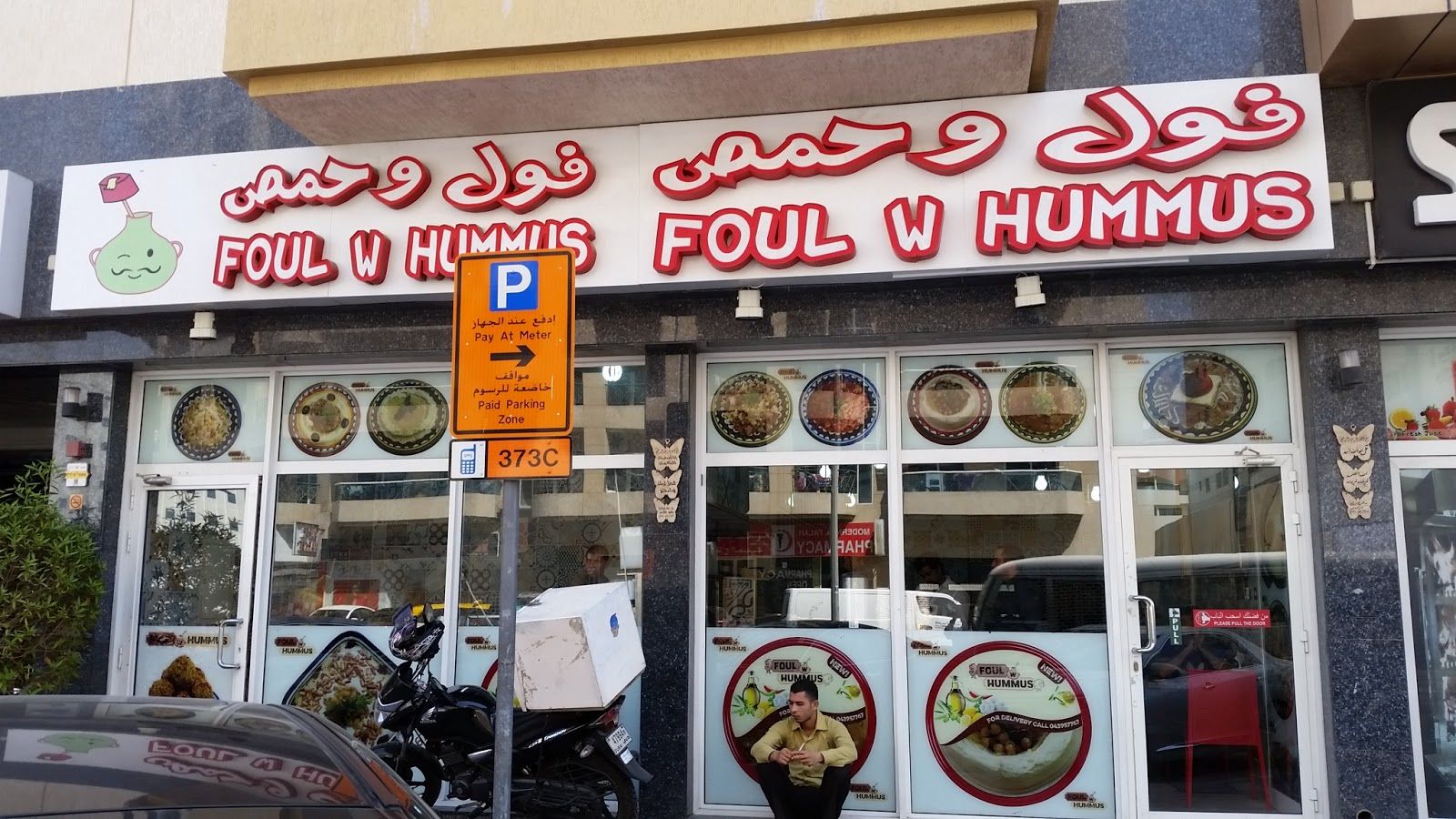


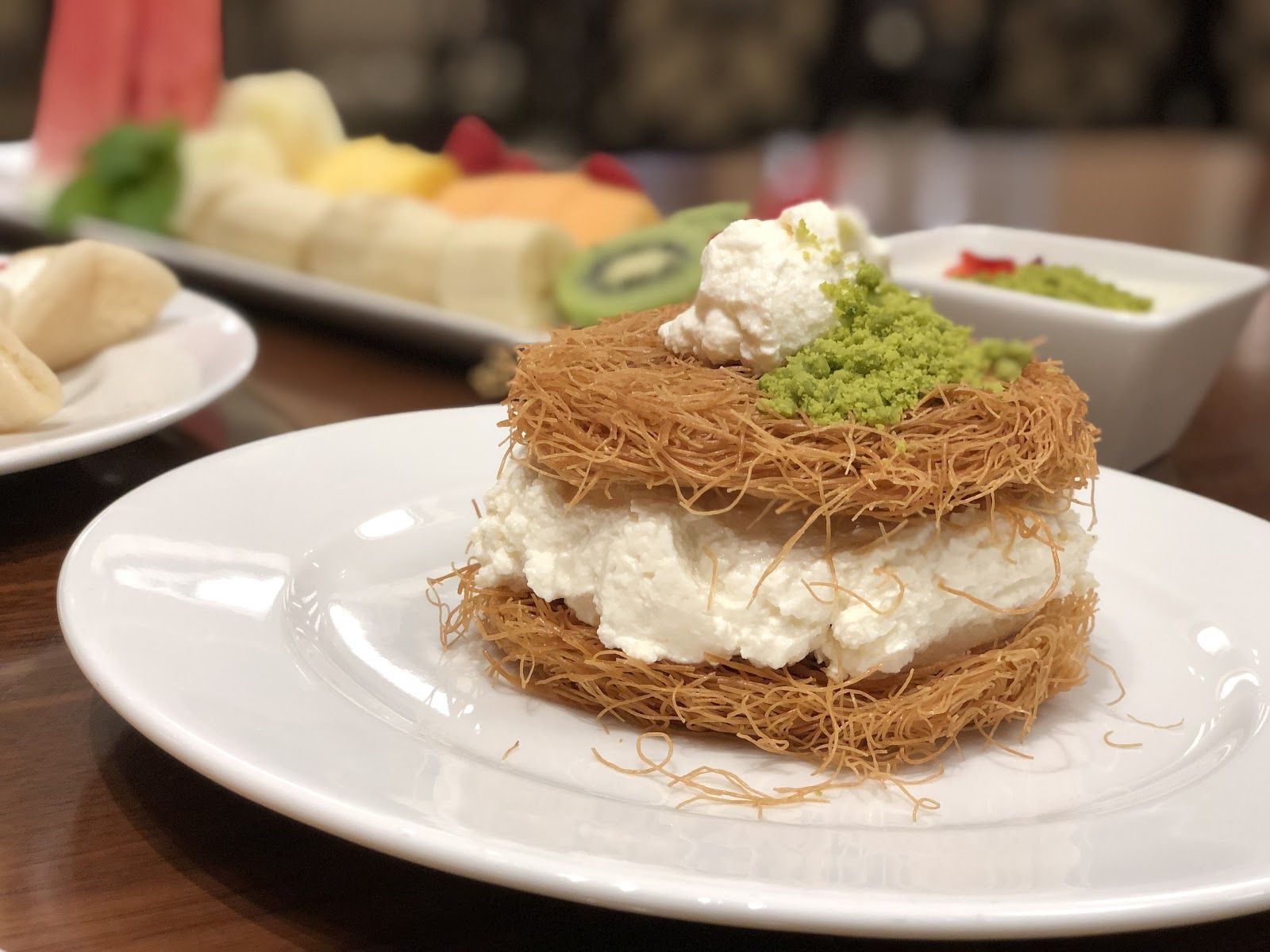
Jordanian Food vs Lebanese Food: Key Differences
Both are Levantine cuisines with shared DNA, but there are clear distinctions. Lebanese cuisine leans into acidity, freshness and variety of meze — it is a culture of many small plates. Jordanian food, by contrast, is built around one magnificent centrepiece. The mansaf platter replaces the Lebanese spread of a dozen small bowls. It is more restrained in variety, but more profound in individual depth.
The use of jameed is uniquely Jordanian — you will not find it in Lebanese cooking. Jordanian food is also more Bedouin in spirit: it celebrates slow cooking over open fire (zarb), the communal platter, and the ritual of hospitality. Lebanese cuisine celebrates the vibrancy of the coastline; Jordanian cuisine carries the patience of the desert.
Insider Tips for Eating Jordanian Food in Dubai
- Order mansaf for the table — it is always a sharing dish and typically serves 2–4 people per platter
- At Khashoka in Motor City, arrive after 8pm when the atmosphere really comes alive
- Rawabina gets busy on weekends — book ahead or arrive early for lunch
- Fatteh is a breakfast dish in Jordan but works magnificently as lunch at any time of day
- Jameed has a strong, acquired flavour — if you're new to it, ask for the sauce on the side first
- Bait Maryam's kunafa sells out — order it at the start of your meal to secure a piece
Budget Guide to Jordanian Food in Dubai
One of the great pleasures of Jordanian food in Dubai is how accessible it is across all budgets. You can eat extraordinarily well for very little money — Khashoka in Motor City has dishes starting from AED 8 — or you can experience elevated Jordanian cuisine at Sufret Maryam for AED 200+ per head. The sweet spot, as always, is in the middle: Rawabina offers some of the most authentic, most generous Jordanian cooking in the city at prices that feel almost unreasonably fair.
| Budget | What You Get | Best Spot |
|---|---|---|
| Under AED 50 | Fatteh, musakhan, sandwiches, breakfast plates | Khashoka, Motor City |
| AED 50–120 | Full mansaf platter, meze spread, mixed grill | Rawabina, Bait Maryam |
| AED 150–250 | Fine dining Jordanian with beautiful plating | Sufret Maryam |

Frequently Asked Questions
What is Jordanian food?
Jordanian food is a rich Levantine cuisine centred on communal generosity. Its most famous dish is mansaf — slow-cooked lamb in jameed (fermented yogurt) sauce served over rice on a giant platter. Other staples include zarb (Bedouin buried meat), maqluba, musakhan, and elaborate meze spreads.
Where can I eat Jordanian food in Dubai?
Top spots include Rawabina Restaurant & Cafe in Garhoud (a 30-year institution), Khashoka in Motor City (a direct export from Amman), Bait Maryam in JLT, and Sufret Maryam in Jumeirah. All four offer different experiences across different budgets.
What is mansaf and where can I eat it in Dubai?
Mansaf is Jordan's UNESCO-recognised national dish — tender lamb cooked in jameed (dried fermented goat's yogurt) sauce, served over fragrant rice on shrak flatbread, garnished with toasted almonds. In Dubai, Rawabina serves the most authentic version, while Khashoka offers a great introduction.
Is Jordanian food spicy?
No — Jordanian food is warmly spiced but not spicy-hot. The flavour profile relies on allspice, cinnamon, cardamom, sumac and seven-spice blends. The intensity comes from depth of cooking rather than chilli heat.
How much does Jordanian food cost in Dubai?
Exceptionally good value. Khashoka in Motor City has dishes from AED 8. A full mansaf for two at Rawabina costs around AED 120–180. Fine dining at Sufret Maryam runs AED 150–250 per person.