Every cuisine has a dish that carries the whole culture inside it. For Yemen, that dish is saltah. It's the dish that Yemeni grandmothers make when the family comes home, the dish served at celebrations, the dish that appears at iftar during Ramadan when the whole family gathers after sunset. It's also, in Dubai, one of the most frequently overlooked dishes by non-Yemeni diners who walk into a mandi restaurant, order the lamb rice, and never discover what's in the stone pots on the next table.
This guide fixes that.
What Is Saltah? The Anatomy of Yemen's National Dish
Saltah is a multi-layered dish served in a madara — a squat, dark volcanic stone pot that retains heat intensely, keeping the dish bubbling and steaming at the table long after it arrives. The components arrive together but exist in distinct strata, and understanding each one is understanding the dish.
The Anatomy of Saltah
Maraq (The Base)
A deep, dark meat broth — the soul of the dish. Slow-cooked lamb or chicken bones with hawayij spice blend. Everything else sits in this.
Hilbeh (The Crown)
Whipped fenugreek froth — vigorously beaten until it becomes a light, green-tinged foam that sits on top of the stew. Bitter, unique, essential.
Sahawiq (The Heat)
Fresh-ground green chillies, tomatoes, garlic, and herbs. Fiery, bright green salsa stirred into the dish at the table or eaten as a condiment.
The Fillings
Typically lamb pieces, potatoes, and eggs (scrambled directly into the hot broth). Sometimes vegetables are added. Rice is served alongside, not inside.
The Pot (Madara)
Dark volcanic stone that superheats and keeps the dish at a rolling bubble throughout the meal. The stone itself is part of the flavour — years of accumulated seasoning.
Lahoh Bread (The Vehicle)
Fermented sponge bread, always served alongside. This is your utensil. Tear, scoop, eat. Never use cutlery — it misses the point entirely.
The key to saltah is the hilbeh — the fenugreek froth that defines the dish and makes it unlike anything else in the Arab culinary world. Fenugreek seeds are soaked overnight, then the gel-like liquid is whipped with fresh coriander, lemon, and sometimes garlic until it reaches a foamy, aerated consistency. The flavour is powerfully bitter and grassy on first encounter, softening and deepening as it mixes with the broth and meat below. Yemenis consider hilbeh one of the most important elements of their food culture, and with good reason — there is genuinely nothing else like it.
Don't skip the hilbeh: First-timers often push the fenugreek froth to the side. Don't. Stir it into the broth, let it dissolve, and taste the dish as it's meant to taste. The bitterness softens and integrates. By the fourth mouthful, you'll understand why Yemenis consider it essential.

How to Eat Saltah: A Step-by-Step Guide
How to Eat Saltah
Let it arrive bubbling
Saltah is served directly from the heat in its volcanic stone pot. Give it thirty seconds after it arrives — the hilbeh froth will still be foaming on the surface. This is the moment.
Stir the hilbeh in
Use your bread or the back of a spoon to gently break and stir the fenugreek froth into the broth below. Don't overthink it — just combine.
Add sahawiq to taste
The sahawiq (green chilli salsa) is served on the side. Add a small amount at first — it is properly spicy and a little goes a long way. Adjust as you eat.
Tear the lahoh bread
Lahoh (or khubz if lahoh isn't available) is your primary utensil. Tear a piece, fold it into a scoop, and use it to lift broth, meat, and egg from the pot together. Eat in one motion.
Work from the outside in
The edges of the stone pot are cooler and the ingredients have settled there — start at the edges, work toward the centre as the heat redistributes. The pot stays hot for 15–20 minutes.
Finish with rice if needed
Some restaurants serve saltah with a small portion of rice. Use it to soak up the last of the broth, mixing it into the pot. Nothing should be wasted.
Where to Eat the Best Saltah in Dubai
Saltah appears on the menu at almost every Yemeni restaurant in Dubai, but the quality varies significantly. The dish requires good maraq (bone broth), fresh fenugreek beaten by someone who knows the texture they're aiming for, and a madara that's been seasoned over years of use. Here are the restaurants where the saltah is worth ordering:
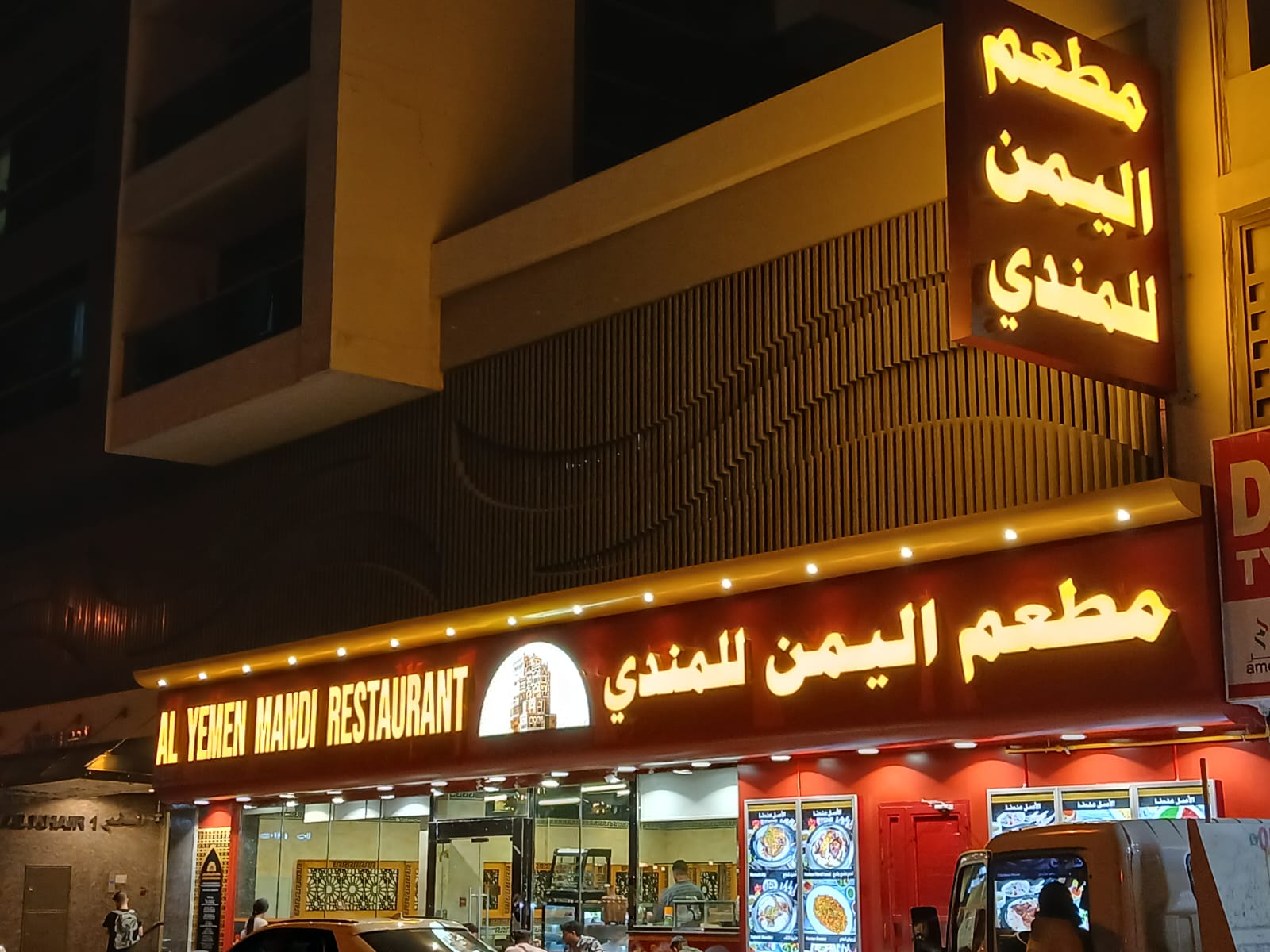
Aroos Al Yemen
The saltah at Aroos Al Yemen in Al Qusais is the benchmark. The hilbeh is made fresh and beaten to the right consistency — frothy, light, bitter in the right proportions — and the maraq beneath is deep and complex, clearly made from bones that have simmered for hours. The madara pots here have the character of long-seasoned cookware. The sahawiq is notably fresh-tasting, ground same-day. Order saltah here first — it sets the standard for everything else.
Come at lunch, when the dish has had the full morning's preparation time behind it. The Friday saltah is particularly exceptional, as the kitchen prepares more for the longer family lunch service.
Tibba Restaurant
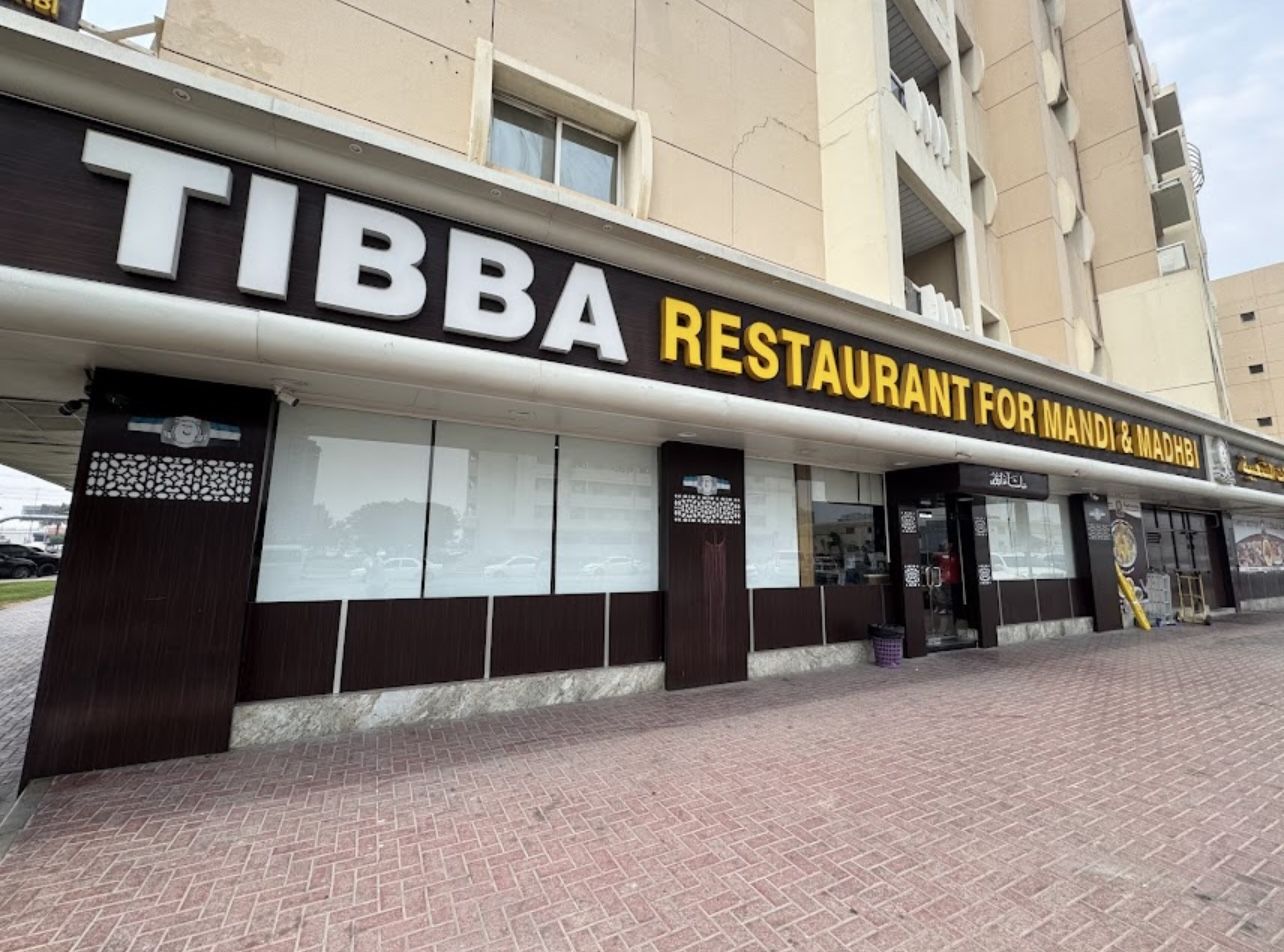
Tibba is better known for its haneeth and madhbi, but the saltah here is one of the best in Deira and deserves equal attention. The kitchen takes the dish seriously — the madara arrives with genuine sizzle, the hilbeh is properly aerated rather than thinly dispersed over the surface, and the maraq has the depth that comes from a kitchen that makes stock from scratch every day. The lamb pieces in the pot are tender enough to pull apart with bread alone. Sit near the kitchen and you'll hear the sizzle of new orders arriving constantly.
Al Marhabani Mandi
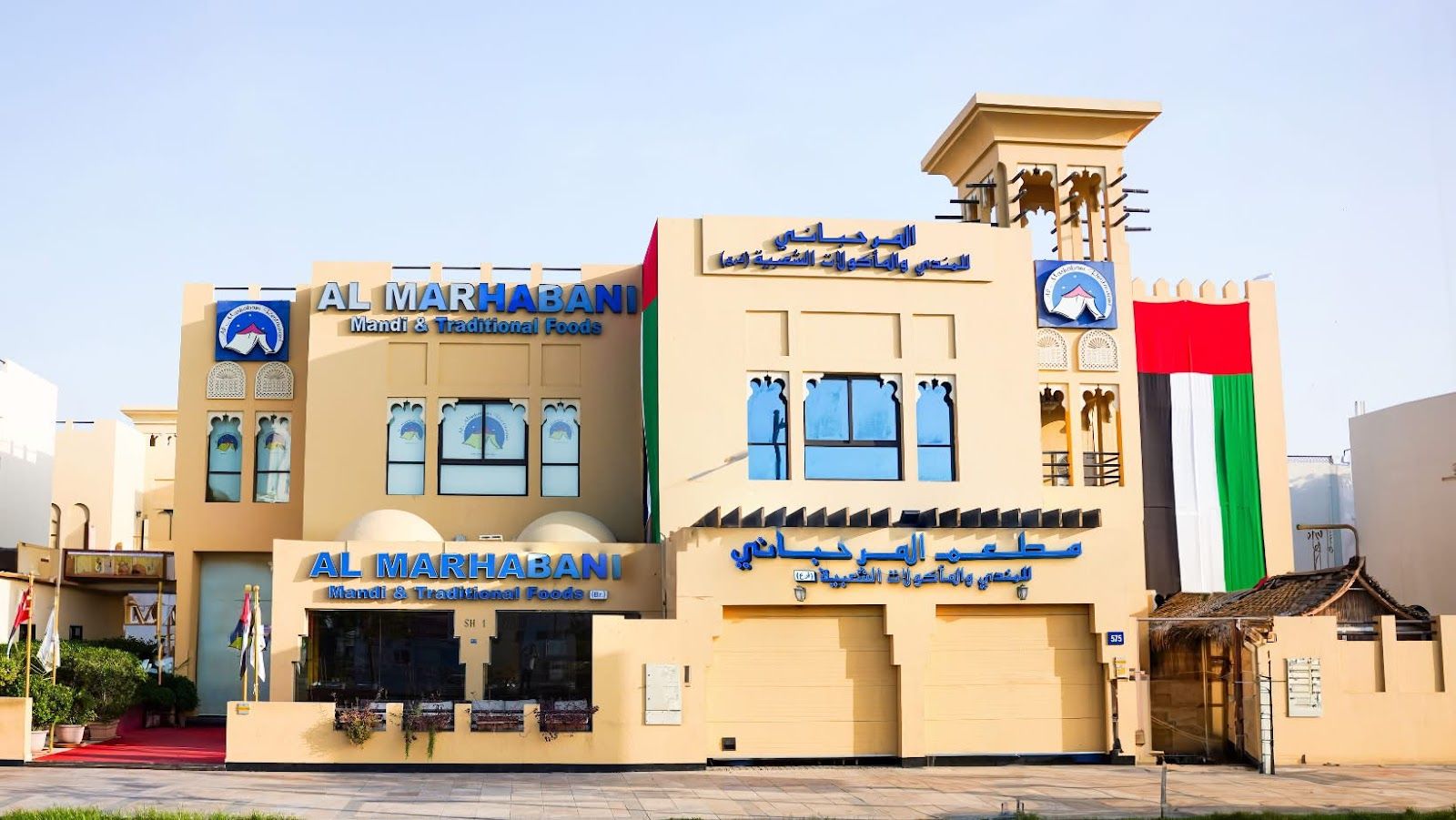
For anyone approaching saltah for the first time, Al Marhabani in Jumeirah is the most forgiving environment. The staff are accustomed to guiding unfamiliar diners through the dish — they'll explain what the hilbeh is, how to eat it, and adjust the sahawiq heat level on request. The saltah itself is excellent, if slightly less rustic than Deira versions, with a clearly made maraq and good-quality lamb. The setting is comfortable and well-lit, and the staff don't rush you. A good place to try saltah properly for the first time before venturing to Deira for the full experience.
Saltah vs Fahsa: What's the Difference?
Fahsa is saltah's close relative — another Yemeni lamb stew served in a stone pot, equally iconic, equally built on hawayij-spiced maraq and fenugreek. The distinction between them is subtle but real: saltah typically includes eggs scrambled directly into the hot broth, and the hilbeh crown is more prominent and aerated. Fahsa is denser, without the egg component, and slightly more intensely meaty in character.
Both dishes are worth ordering if you're exploring Yemeni food in depth — they're not interchangeable but they're siblings. Some restaurants in Dubai serve both; others make only one or the other. When both are available, order saltah first on the first visit, fahsa on the second.
Price reality check: Saltah in Dubai costs AED 25–55 depending on the restaurant. At Deira's neighbourhood spots (Aroos Al Yemen, Tibba), it's AED 30–45. At Jumeirah's more polished restaurants, AED 45–60. There is no version that should cost more than AED 70 — if you see it at that price without a very significant upscale context, walk next door.

Saltah FAQ
What is saltah made of?
Saltah is a lamb or chicken stew cooked in a hawayij-spiced broth (maraq), topped with whipped fenugreek froth (hilbeh) and fresh chilli-tomato salsa (sahawiq). It's served in a volcanic stone pot called a madara. Eggs are commonly scrambled directly into the hot broth. Lahoh bread is always served alongside as the eating utensil.
What does saltah taste like?
Rich, deeply savoury broth with a warmly spiced, slightly smoky quality from the hawayij blend. The fenugreek froth adds a distinctive bitterness that softens as it integrates. The sahawiq salsa brings heat and brightness. Overall: bold, complex, comforting, deeply satisfying. Unlike any other dish in the Middle East.
Is saltah available outside Ramadan?
Yes — saltah is available year-round at all authentic Yemeni restaurants in Dubai. However, it takes on special significance during Ramadan, when it's commonly served as the first substantial iftar course after dates and maraq broth. During Ramadan, many restaurants add seasonal versions with extra garnishes and accompaniments.
Is saltah vegetarian?
Traditional saltah contains lamb or chicken in the broth. A vegetable version is possible and some Yemeni cooks make it, but it's not standard in Dubai's restaurants. If you have dietary requirements, ask the kitchen — most will accommodate a vegetable-only version with the hilbeh and sahawiq elements, which are both naturally plant-based.
What should I order with saltah?
Lahoh bread (always — it's your utensil), extra sahawiq on the side if you like heat, and a glass of fresh lemon mint juice or Vimto to balance the richness of the stew. A small bowl of extra maraq broth makes a good starter. Bint al-sahn (honey cake) is the natural dessert to follow.