Dubai's Yemeni food scene is bigger, older, and more deeply rooted than most visitors realise. Yemen and the UAE share centuries of trade and cultural history, and the Yemeni community in Dubai — particularly concentrated in Deira — has given the city some of its most beloved, most fiercely authentic dining traditions. This isn't food that chases trends. It doesn't need to.
Yemeni cuisine is one of the most distinctive in the Arab world. Where Levantine cooking leans on herbs and olive oil, and Gulf cuisine reaches for saffron and rosewater, Yemeni food is built on slow fire, deep spice, and a relationship with bread unlike anything else in the region. The lahoh — spongy, fermented, impossibly light — serves as both utensil and vessel. The mandi pit has been feeding travellers and merchants for centuries. And saltah, the national dish, is the kind of thing that ruins you for lesser stews forever.
The Essential Yemeni Dishes to Know
Before you sit down at any Yemeni restaurant in Dubai, it pays to know what you're looking at. Yemeni menus can be brief — sometimes just a chalkboard — but what they lack in length they make up for in depth. Every dish takes time, every dish has a story.
Saltah
Yemen's national dish — lamb stew crowned with whipped fenugreek froth, served in volcanic stone
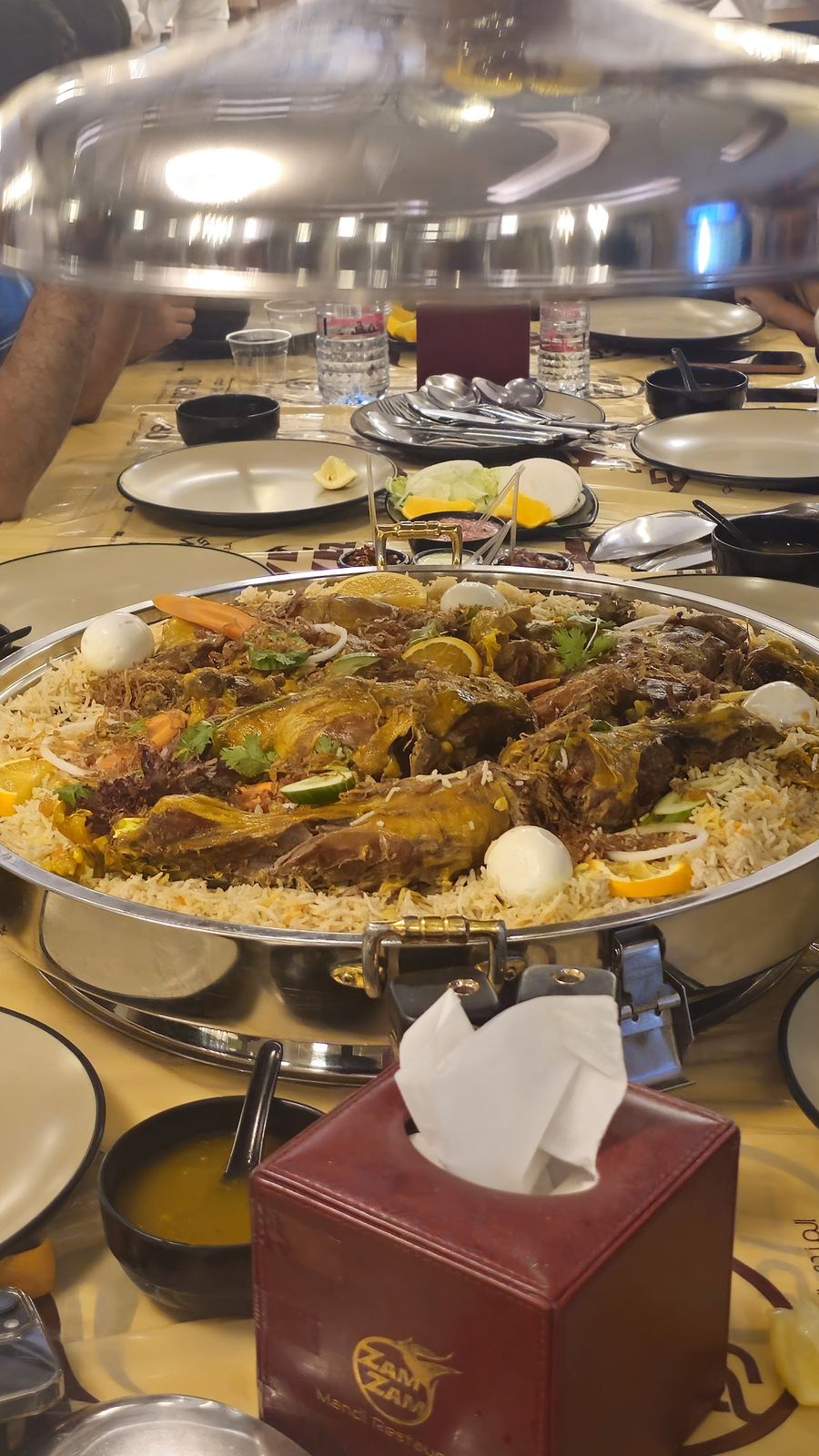
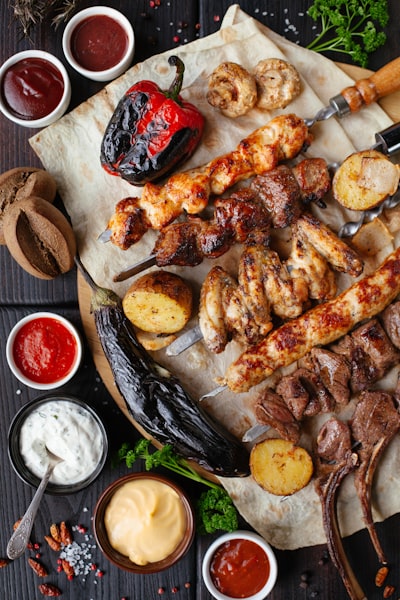
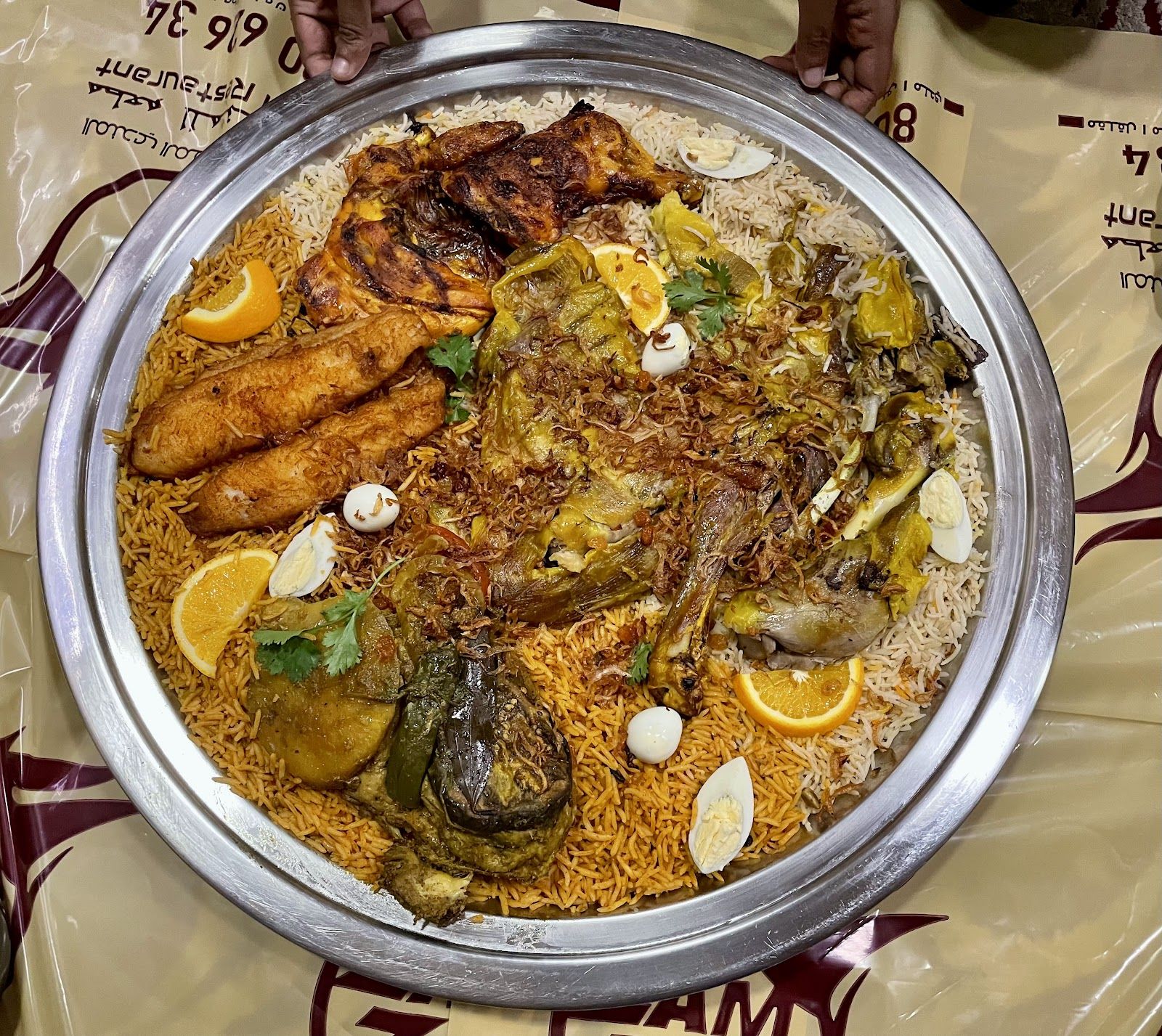
Mandi
Tender slow-smoked lamb or chicken over fragrant basmati rice, cooked in a sealed tandoor pit
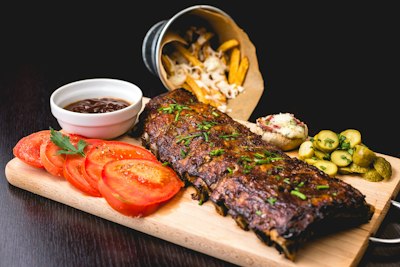
Madhbi
Meat or fish grilled directly on superheated flat stones — charred edges, impossibly juicy inside
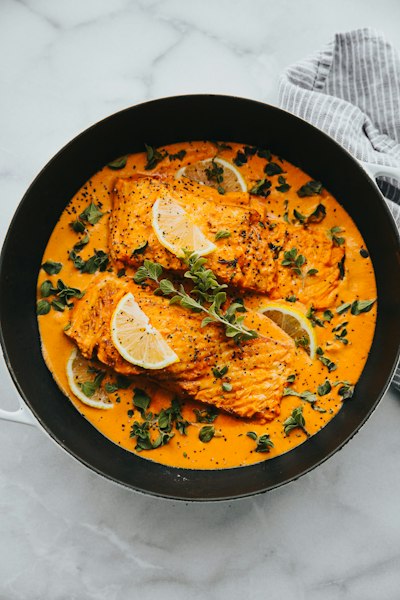
Haneeth
Long-roasted whole lamb until the meat falls from the bone — the queen of Yemeni feasts
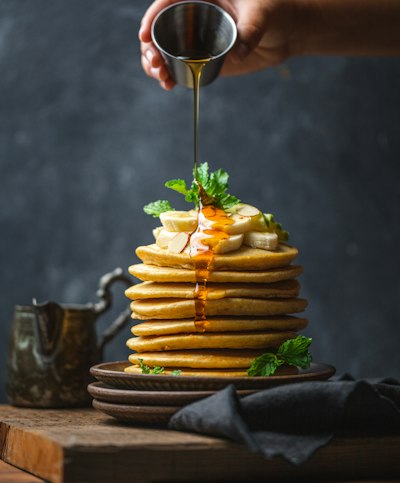
Madfoon
Literally "buried" — lamb slow-cooked in a sealed underground oven until meltingly tender
Bint Al-Sahn
Flaky honey cake layered with black sesame — Yemen's most iconic dessert, served warm
Beyond these headline dishes, a proper Yemeni meal will also feature maraq — a clear, deeply savoury broth served at the start to prepare your stomach — sahawiq, a fiery green chilli salsa blended with tomatoes and garlic that accompanies almost everything, and hilbeh, whipped fenugreek paste with a polarising bitterness that Yemenis consider essential. Give the hilbeh a chance. It grows on you fast.
Insider tip: In Deira's Yemeni restaurants, bread is everything. Ask specifically for lahoh (the fermented sponge bread) rather than the standard khubz — it's what every Yemeni would choose, and it's the perfect vehicle for scooping up saltah and broth.
The Best Yemeni Restaurants in Dubai
Dubai's best Yemeni restaurants are clustered in Deira and Al Rigga, though a handful of polished spots have appeared in Jumeirah. The honest truth: the most authentic experiences are almost always in the older neighbourhoods, where the menus are shorter, the prices are lower, and the food is cooked by people who grew up eating it.
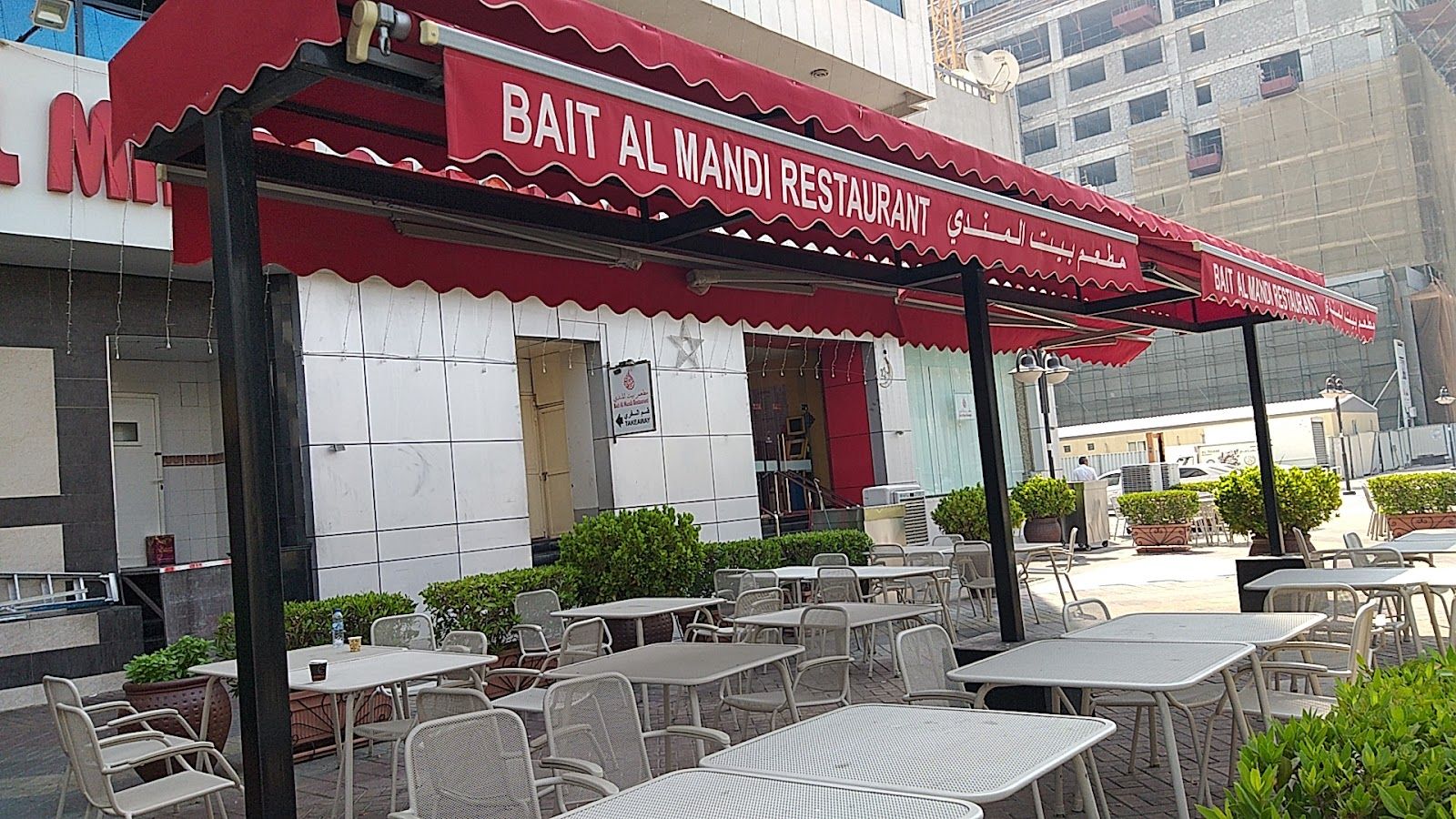
Bait Al Mandi
Tucked into Al Rigga Road in Deira, Bait Al Mandi is the address that Dubai's Yemeni community has been sending friends to for years. The dining room is no-frills — plastic chairs, shared tables, the kind of place where the food does all the talking. And it talks loudly. Chicken mandi for AED 20, lamb for AED 40, and a bowl of maraq broth that arrives almost immediately and sets the table perfectly for what follows. The rice is long-grained, fragrant with whole spices and the drippings of the meat above, and the lamb falls from the bone without argument. This is the real thing.
Order the lamb mandi, the sahawiq on the side, and a bottle of cold Vimto — the unofficial Yemeni national soft drink. Come hungry, come in a group, and share everything.
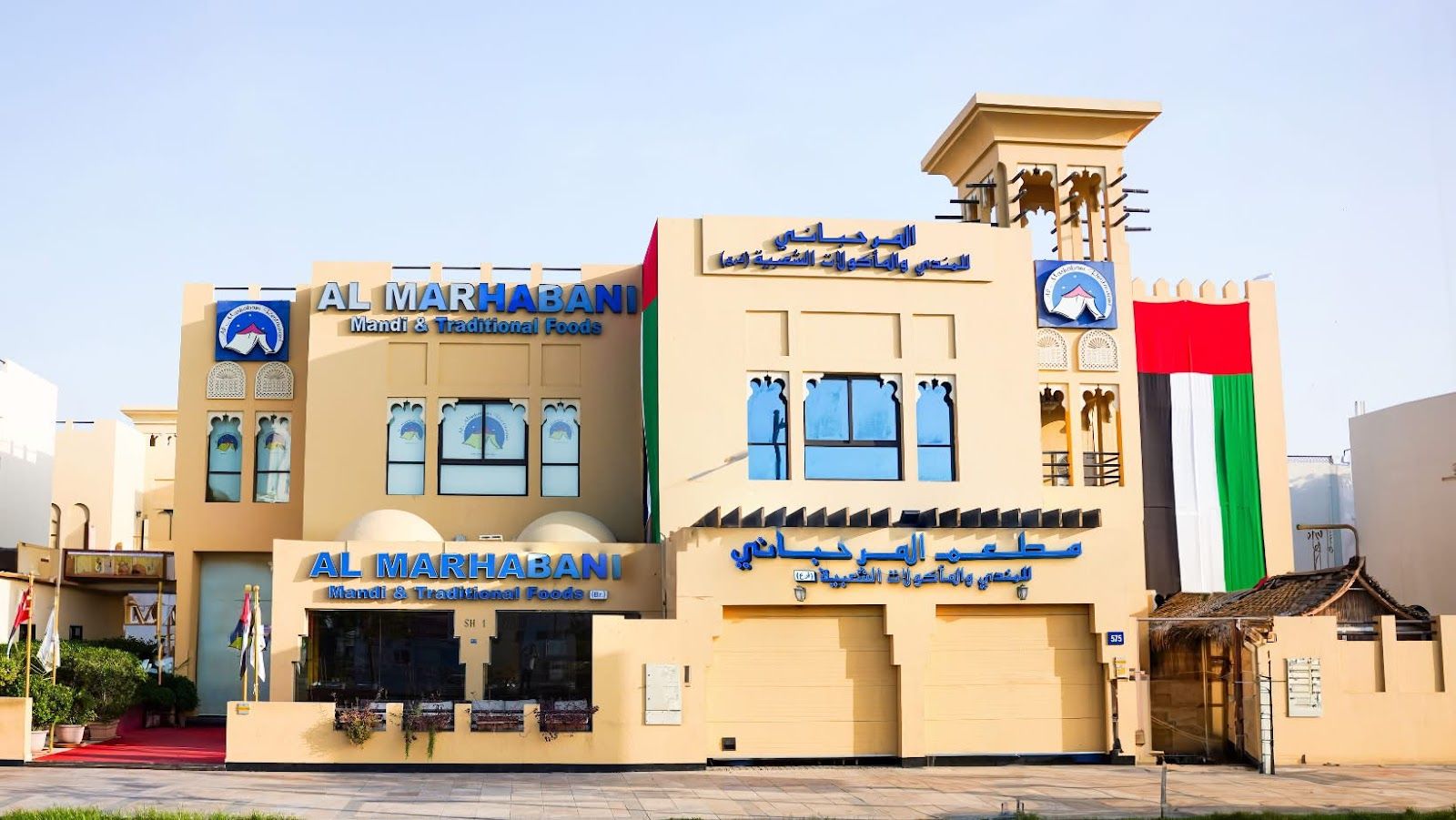
Al Marhabani Mandi
Al Marhabani in Jumeirah is where you take guests who've never had Yemeni food before — the setting is considerably more polished than Deira's street-level canteens, the menu broader, and the service attentive enough that you don't need to know what you're doing to order well. The mandi here is excellent, the haneeth impressive, and the kabsa — rice slow-cooked with spices and topped with nuts and raisins — is one of the better versions in the city. Prices are higher than Deira, but still thoroughly reasonable for what you get.
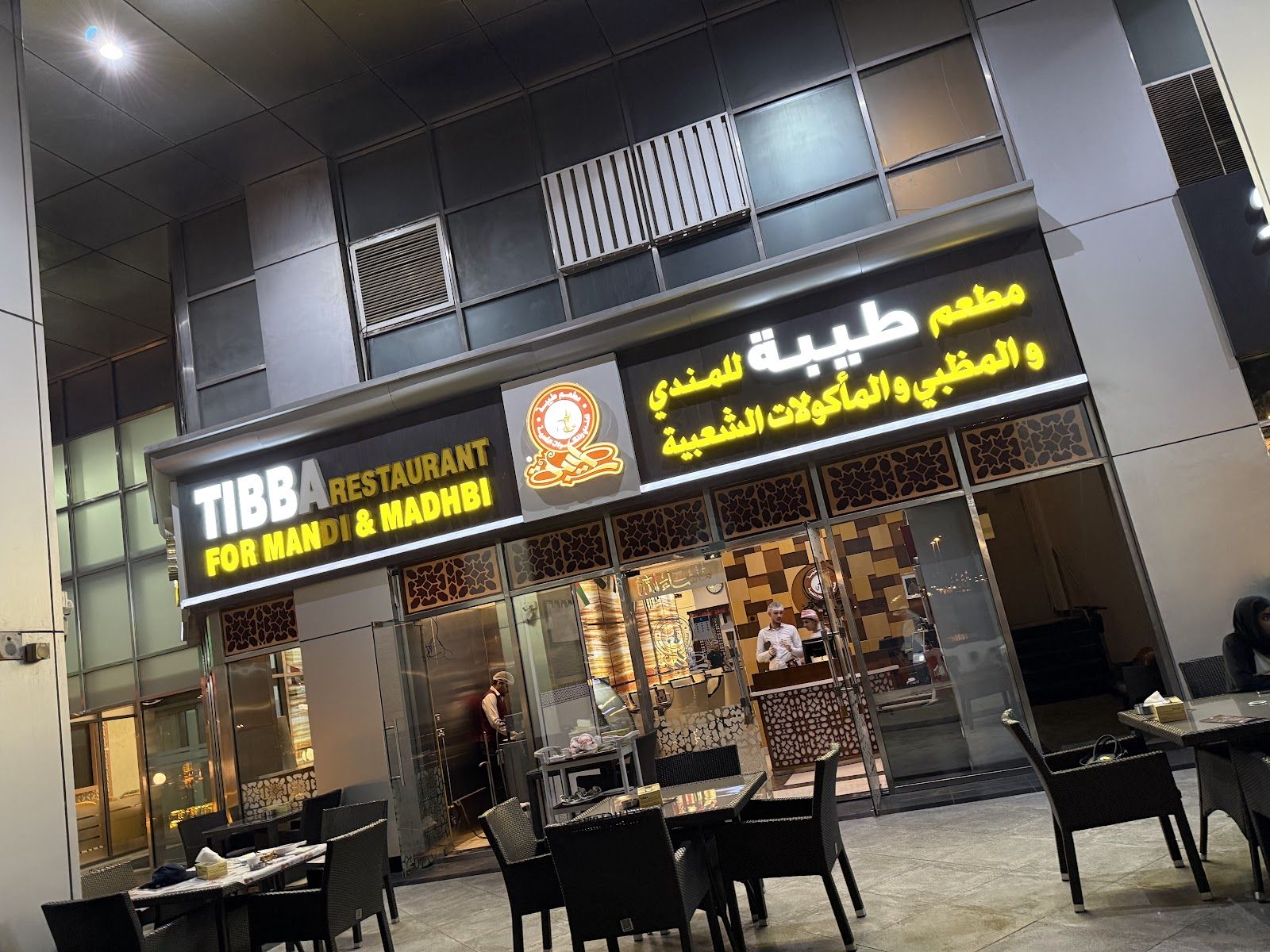
Tibba Restaurant (Mandi & Madhbi)
Tibba is a Deira institution for one specific dish: haneeth. This long-roasted whole lamb — cooked for hours until the exterior is caramelised and crackling, the interior yielding and perfumed with hawayij spice blend — is as good as you'll find anywhere in Dubai. The restaurant is casual and unpretentious, the service brisk and efficient, and the portions sized for people who mean business. The madhbi (stone-grilled chicken) is also excellent. Come on a Thursday or Friday evening when the kitchen is at full tilt and the aroma alone from the entrance is worth the trip.
Understanding Yemeni Spices: Hawayij
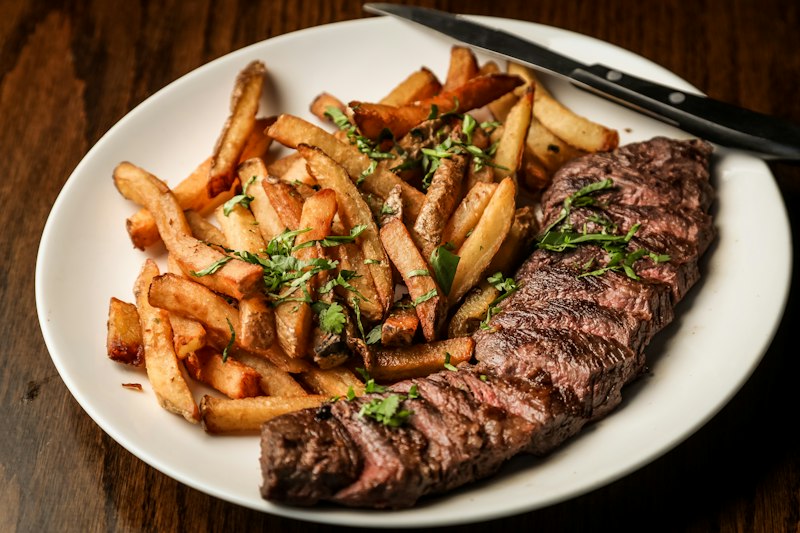
The defining flavour of Yemeni cooking is hawayij — a spice blend that has no real equivalent in Western cooking. The word literally means "necessities," which tells you everything about its role in Yemeni kitchens. There are two main versions: a savoury blend used in meat dishes (typically black pepper, cumin, coriander, turmeric, cardamom, and dried ginger) and a sweeter version for coffee and desserts (cardamom, ginger, cinnamon, cloves).
The savoury hawayij is what you taste in a great mandi — it's rubbed into the meat before cooking, layered into the rice, and used to season the broth. Unlike the sharp, fresh spice profiles of Indian cooking or the aromatic depth of Persian cuisine, hawayij has a warm, rounded quality that softens everything it touches. It's a spice blend that speaks of ancient trade routes, Silk Road caravans, and centuries of Yemeni hospitality.
Where Yemeni Food Concentrates in Dubai
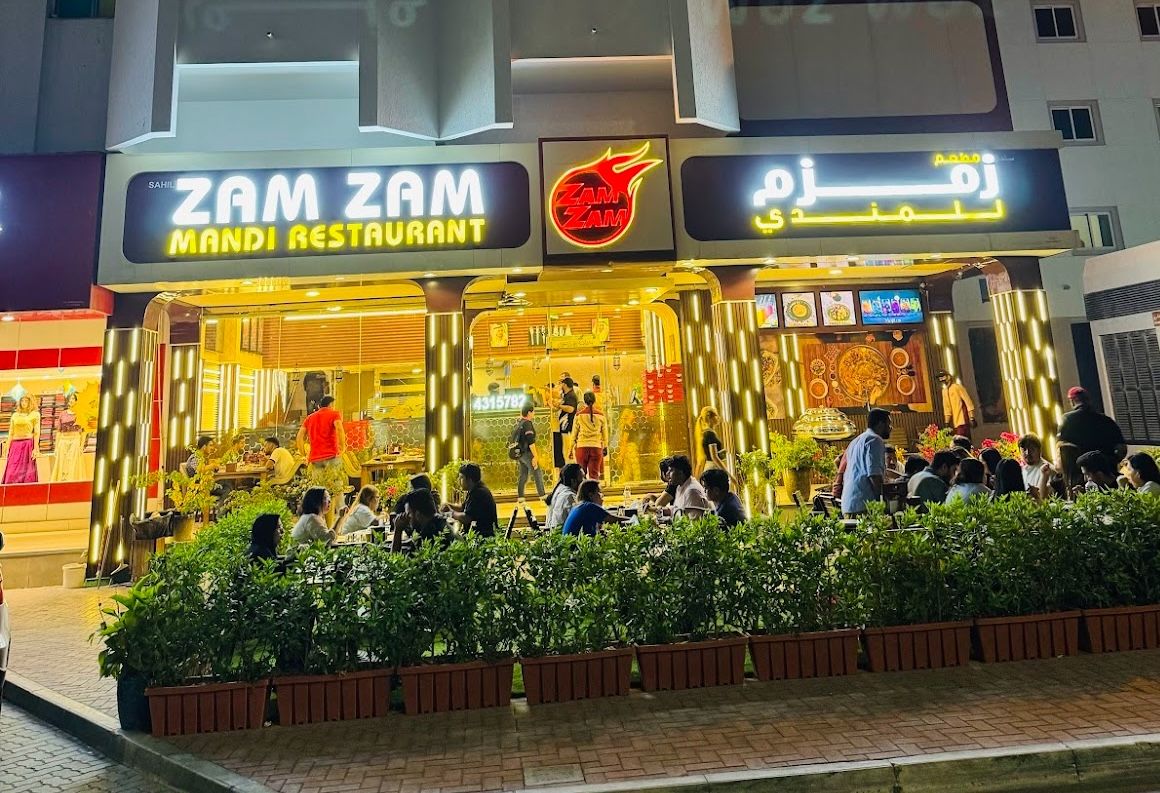
The heart of Dubai's Yemeni dining scene is Deira, specifically the streets around Al Rigga, Muraqabat, and Al Qusais. These neighbourhoods have large Yemeni communities and have supported authentic Yemeni restaurants for decades — some of the city's longest-running food institutions are here. The food is cheap, portions are enormous, and you'll almost certainly be the only non-regular in the room. That's a good sign.
Jumeirah has a handful of more polished Yemeni restaurants that cater to a broader clientele. International City also has a strong concentration of Yemeni eateries, particularly around the Yemen and Arab Clusters. For the deepest dive into the food, though, Deira remains the address.
Budget guide: Yemeni food is some of Dubai's best-value dining. At the Deira canteen level, a full meal of mandi rice, lamb, broth, and bread costs AED 40–80 for two people. At a mid-range restaurant like Al Marhabani, budget AED 100–160 for two. You won't find many cuisines in Dubai where the authentic experience is also the affordable one.
Yemeni Food and the Ramadan Experience
Yemeni restaurants become particularly special during Ramadan. The tradition of iftar — breaking the fast — is taken seriously by Yemeni dining culture, and the restaurants transform for the occasion. Dates and maraq broth are typically served first, followed by the full spread. Saltah takes on an almost ceremonial quality during Ramadan, eaten communally from the volcanic stone pot as the first real meal after sunset. If you're in Dubai during Ramadan, eating iftar at a traditional Yemeni restaurant in Deira is one of the city's great dining experiences.
Yemeni Coffee: A Culture Unto Itself
No guide to Yemeni food is complete without discussing qahwa — Yemeni coffee. Yemen is considered the birthplace of the coffee trade, and the country's coffee culture is one of the world's oldest. Yemeni coffee is typically lighter than Arabic coffee — brewed from the dried husks of the coffee cherry (called qishr) with ginger and cardamom, producing a golden, spiced drink that's utterly unlike anything from the coffee chain on the ground floor of your hotel.
Many Yemeni restaurants in Dubai serve qishr alongside meals, particularly at breakfast and after dinner. It pairs beautifully with bint al-sahn (the honey cake) and provides a gentle, warming end to a heavy mandi feast. Ask for it specifically — some restaurants only serve it on request.

Frequently Asked Questions
What is the national dish of Yemen?
Saltah is considered Yemen's national dish. It's a hearty stew — typically lamb — topped with a froth of whipped fenugreek (hilbeh) and sahawiq salsa, served in a volcanic stone pot and eaten with lahoh bread. It's warming, complex, and deeply satisfying.
Is Yemeni food spicy?
It can be, though the heat level varies significantly by dish. Sahawiq (the green chilli salsa) is genuinely spicy, while the main dishes — mandi, haneeth, and madfoon — tend to be warmly spiced rather than fiery. You control the heat level by how much sahawiq you add.
Where is the best Yemeni food in Dubai?
Deira has the most concentrated and authentic Yemeni dining scene — particularly Al Rigga and Muraqabat roads. Bait Al Mandi, Al Yemen Mandi, and Tibba Restaurant are all worth visiting. For a more comfortable setting, Al Marhabani in Jumeirah is excellent.
How much does Yemeni food cost in Dubai?
Yemeni food is some of the best-value dining in the city. At budget Deira restaurants, you can eat very well for AED 30–60 per person. Mid-range spots run AED 60–130. Very few cuisines in Dubai offer this level of quality at this price.
What is mandi and why is it so popular?
Mandi is a slow-cooking technique where meat (lamb or chicken) is suspended over fragrant rice inside a sealed clay-lined pit (tandoor), cooked over charcoal so the meat drippings flavour the rice below. The result is impossibly tender meat and impossibly fragrant rice. It originated in Yemen's Hadhramaut region and is now one of the most popular dishes across the entire Arabian Peninsula.