Syrian Meze in Dubai: The Ultimate Guide
Syrian meze is a world unto itself. While Lebanese meze gets most of the international attention, Syrian meze carries bolder flavours, deeper spicing, and dishes that will stop you mid-bite. In Dubai, where a large Syrian community has established roots over decades, you can find meze spreads that would stand tall in Damascus. This is your guide.
What Makes Syrian Meze Different
If you've tried Lebanese meze and wondered why some Syrian restaurants taste so different, there's a reason. Syrian and Lebanese cuisines are cousins, but they're not twins. Here's where they diverge:
- Muhammara is quintessentially Syrian — a walnut-roasted red pepper paste that tastes almost sweet, with a subtle heat. You'll rarely find it as well executed outside Syrian restaurants.
- Kibbeh comes in more varieties in Syrian cooking — fried, baked, raw (kibbeh nayyeh), in yogurt soup (kibbeh in laban). It's treated as an art form.
- Aleppo pepper is used more liberally. It's fruitier and more complex than regular chilli flakes — worth seeking out.
- Pomegranate molasses is used as a dressing more than lemon. It gives a tartness without acidity.
- Fattoush is spicier, sumac is used more heavily, and there's more emphasis on burnt bread.
- Syrian hummus tends to be more tahini-forward, creamier, less lemon-aggressive than Lebanese versions.
The Essential Syrian Meze Dishes
Hot Meze (Savoury & Warm)
Kibbeh Bil Saniyeh
Baked minced lamb, bulgur, pine nuts. The crown jewel of Syrian meze.
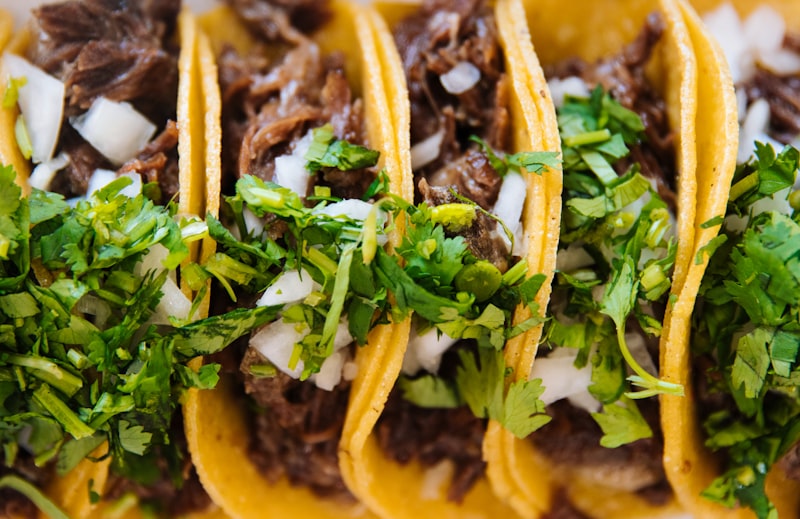
Fried Kibbeh
Torpedo-shaped, crispy, filled with lamb. The ultimate comfort meze.
Fattet Djaj
Layered chicken, toasted bread, chickpeas, yogurt, pine nuts. A textural marvel.
Cold Meze (Dips & Spreads)
Muhammara
Roasted pepper & walnut paste. Syrian signature — drizzle with olive oil.
Syrian Hummus
Creamier and more tahini-forward than Lebanese versions. Sublime.
Baba Ghanoush
Smoked aubergine, tahini, lemon, olive oil. Silky and smoky.
Pro tip: Always order muhammara at a Syrian restaurant. If it's bad, you know the chef isn't serious. The good ones are extraordinary.
Best Places for Syrian Meze in Dubai
Damascene Nights, Deira
- Best for: Overall meze spread, authenticity, atmosphere
- Signature dish: Muhammara and kibbeh bil saniyeh
- Price: AED 60–100 per person for full meze spread
- Vibe: No tablecloths, no Instagram moments. Just genuine Syrian hospitality.
Al Sham, Bur Dubai
- Best for: Value, enormous portions, all-day availability
- Signature dish: The full meze spread (order for 2-3)
- Price: AED 35–60 per person
- Vibe: Casual, busy, unpretentious. This is where locals eat.
Beit Al Souri, Al Barsha
- Best for: Families, groups, beautiful setting
- Signature dish: The meze spread for 4 (AED 280)
- Price: AED 80–120 per person
- Vibe: Modern, comfortable, excellent for entertaining.
Aleppo House, Deira
- Best for: Muhammara specifically (imported Aleppo pepper)
- Signature dish: Muhammara, kibbeh nayyeh (raw kibbeh)
- Price: AED 50–85 per person
- Vibe: Intimate, warm, deeply authentic.
Zaitouneh, JLT
- Best for: Upscale experience, business entertaining, refined presentation
- Signature dish: The chef's meze selection (AED 180+ per person)
- Price: AED 150–200 per person
- Vibe: Polished, modern, excellent service.
How to Order Syrian Meze Like a Local
- Order 4–5 cold meze first to arrive with fresh bread while you wait for hot dishes. This is the traditional progression.
- Always ask for muhammara at a Syrian restaurant. If it's mediocre, that's a red flag about the whole menu.
- A full meze spread for 4 people: 4–5 cold meze + 3–4 hot dishes + bread = AED 300–500 total. Better value than ordering individually.
- Syrian bread (khubz) is thicker than Lebanese pita. Use it to scoop, don't expect thin crispness.
- Pair with ayran or fresh lemon mint juice. These are the traditional drinks, not wine.
- Leave room for dessert. Knafeh or halawet el jibn to finish is essential.
Meze Etiquette: How to Eat It
Syrian meze is a communal experience. All dishes go in the centre of the table. Everyone shares. There's no rushing — meze is a 2–3 hour experience. It's about conversation, connection, and leisurely eating. In Damascus, a meze lunch could easily stretch into early evening. In Dubai, you'll find the same unhurried philosophy in the best Syrian restaurants.
The dishes come continuously. Cold meze first, then hot dishes, then maybe grilled items arrive. Bread refreshes constantly. Tea follows at the end. This is not fast food. This is hospitality.
FAQ: Syrian Meze in Dubai
Baba ghanoush is made with smoked aubergine; muhammara is made with roasted red peppers and walnuts. Muhammara is slightly sweet and nutty. Baba ghanoush is smoky and earthy. Both are essential Syrian meze.
Yes, largely. Most cold meze (hummus, baba ghanoush, muhammara, tabbouleh, fattoush, labneh) are vegetarian. Most hot meze (kibbeh, fattet djaj) contain meat. Ask before ordering — Syrian restaurants are happy to accommodate.
Order the meze spread for 2–3 people. Request muhammara, kibbeh bil saniyeh, and Syrian hummus specifically. Let the restaurant surprise you with the rest. This gives you the true Syrian meze experience.
Not at all. A full meze spread for 4 people in Deira costs AED 300–450. That's AED 75–112 per person for 10–12 dishes. Better value than almost any cuisine in Dubai.