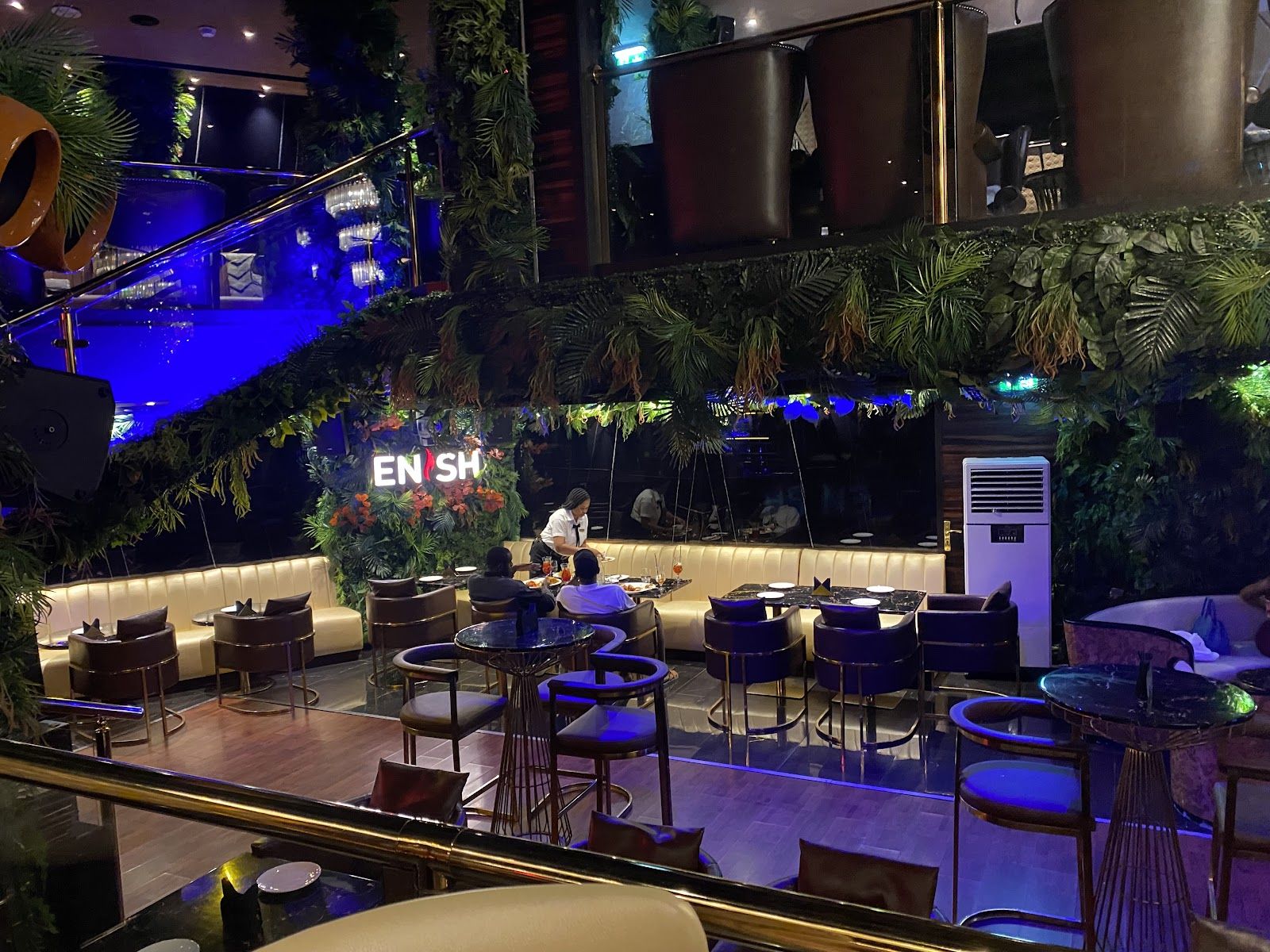
Dubai's Nigerian dining scene has grown dramatically over the past decade, mirroring the city's expanding West African expatriate community. From the flagship elegance of Enish on Sheikh Zayed Road to the neighbourhood soul food of Africana Home in Deira — established since 1993 — you can eat your way through Nigeria's greatest dishes without leaving the UAE. We've done the research, eaten the jollof, debated the egusi, and ranked the best.
🇳🇬 Quick Rankings — Best Nigerian Restaurants Dubai
- #1 Enish Nigerian Restaurant & Lounge — Sheikh Zayed Road (The H Hotel)
- #2 Chop House — Jumeirah Lake Towers
- #3 KIZA Restaurant & Lounge — DIFC, Emirates Financial Towers
- #4 Biggy African Restaurant — Al Karama
- #5 Africana Home Restaurant — Deira (est. 1993)
- #6 Jollof House Dubai — Al Barsha
- #7 Pass D Jollof — Jumeirah Village Circle
- #8 Lasgidi Café — Dubai Silicon Oasis
The Full Rankings
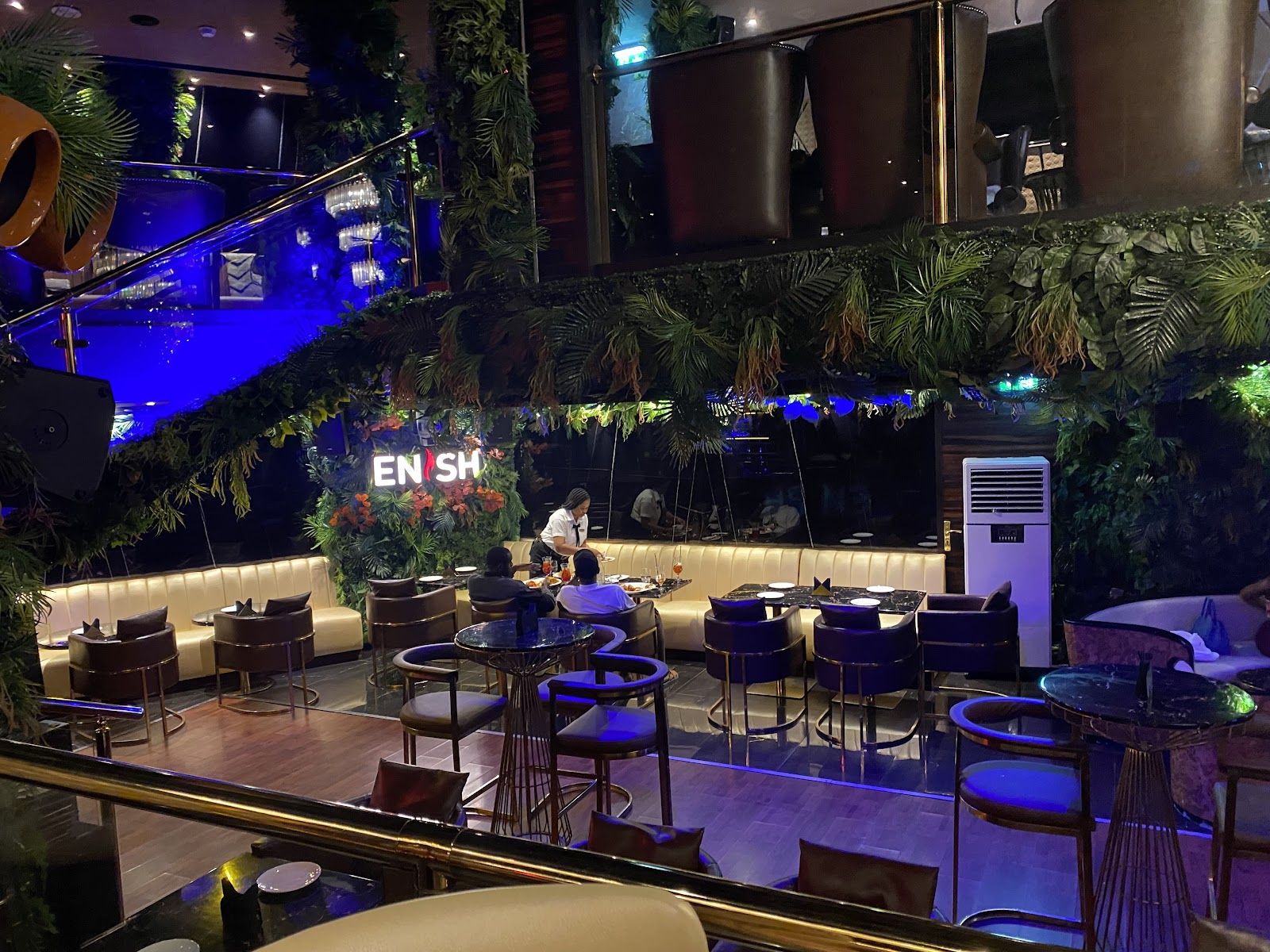
Enish Nigerian Restaurant & Lounge
Enish is the gold standard for Nigerian fine dining in Dubai — part of the world's largest Nigerian restaurant chain, with the Dubai outpost inside the five-star H Hotel bringing a level of ambiance rarely seen in West African cuisine. The dining room blends contemporary design with traditional African motifs: warm terracotta accents, carved wood screens, and Afrobeat humming at a volume that energises rather than overwhelms.
The menu is a love letter to Nigerian cuisine. Their seafood jollof rice is widely considered the best in Dubai — smoky, deeply seasoned, loaded with prawns and calamari. The egusi soup with pounded yam is exceptional: the ground melon seed base has depth from palm oil and crayfish, and the pounded yam is smooth and elastic. The asun (spicy goat meat) appetiser is a must-order. Suya arrives thinly sliced, charred, and served warm with raw onion and tomato.
Seafood Jollof Rice (AED 95) · Pounded Yam with Egusi Soup (AED 85) · Asun Appetiser (AED 60) · Pepper Soup with Goat Meat (AED 75)
Our take: The best Nigerian restaurant in Dubai by a comfortable margin. Premium pricing is justified by the quality of ingredients, level of finish, and overall experience. Book ahead for weekends.
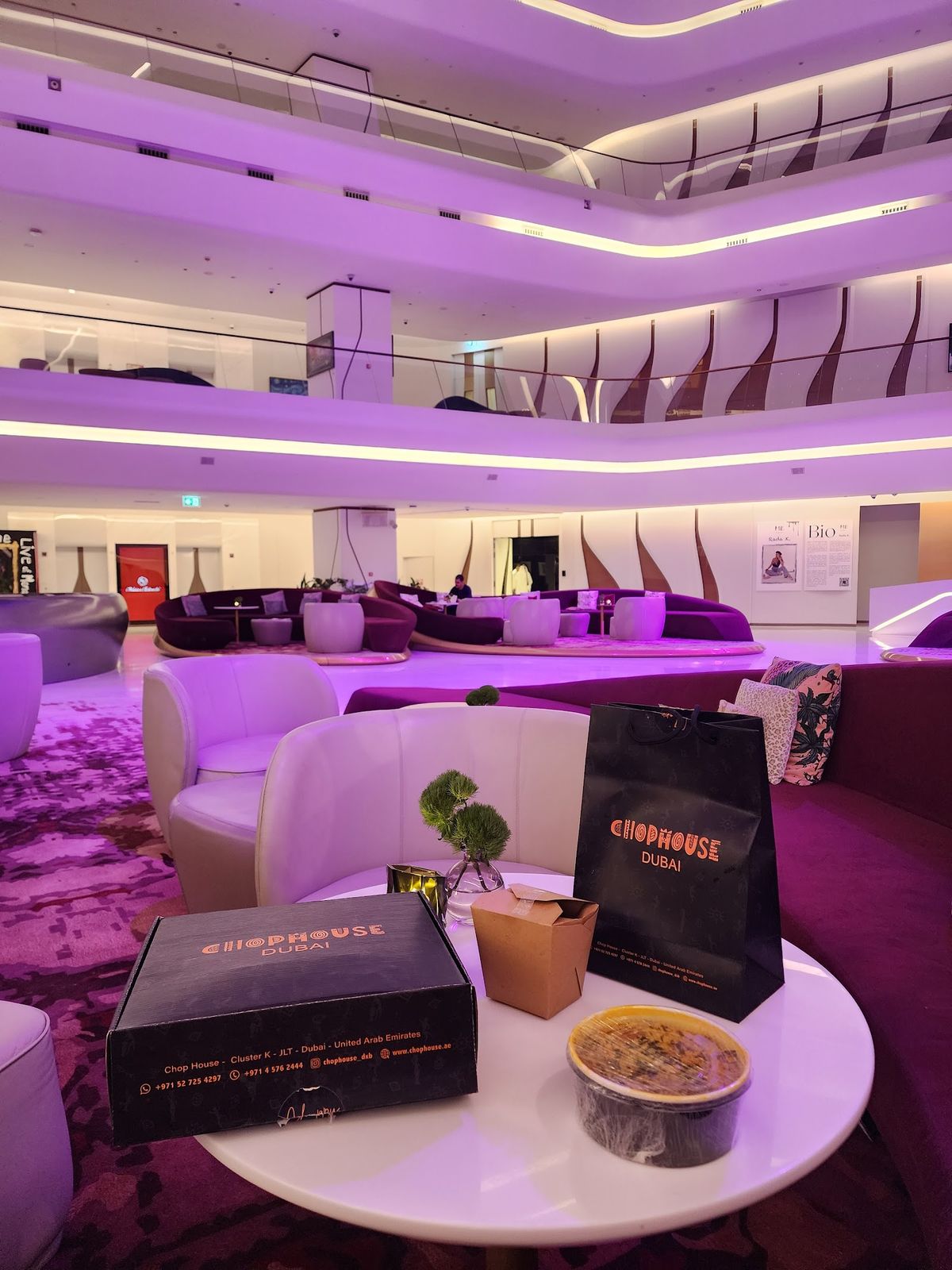
Chop House
Chop House fills a crucial gap in Dubai's Nigerian dining scene — it is the place locals actually eat on a Tuesday, not just for special occasions. Located in JLT, the restaurant draws an almost entirely Nigerian and West African crowd, which is always the most reliable sign of authenticity you can get. The playlist runs from Burna Boy to old-school Fela Kuti, the portions are generous, and nobody is going to judge you for ordering two rounds of fried plantain.
Their Jollof rice is properly smoky and comes with your choice of chicken, beef, or fish. The fried rice and jollof spaghetti are also worthy distractions. The ofada rice — served with ofada stew, a fermented-pepper sauce that is an acquired taste but completely addictive once acquired — is one of the few places in Dubai you can find this specifically Yoruba dish. Grilled tilapia with eba (cassava dough) is the dish that gets photographed and re-ordered.
Jollof Rice with Grilled Chicken (AED 65) · Ofada Rice with Stew (AED 60) · Grilled Tilapia with Eba (AED 85) · Fried Plantain (AED 25)
Our take: The best everyday Nigerian restaurant in Dubai. Honest food, honest prices, honest crowd. The ofada rice alone is reason enough to make the trip to JLT.
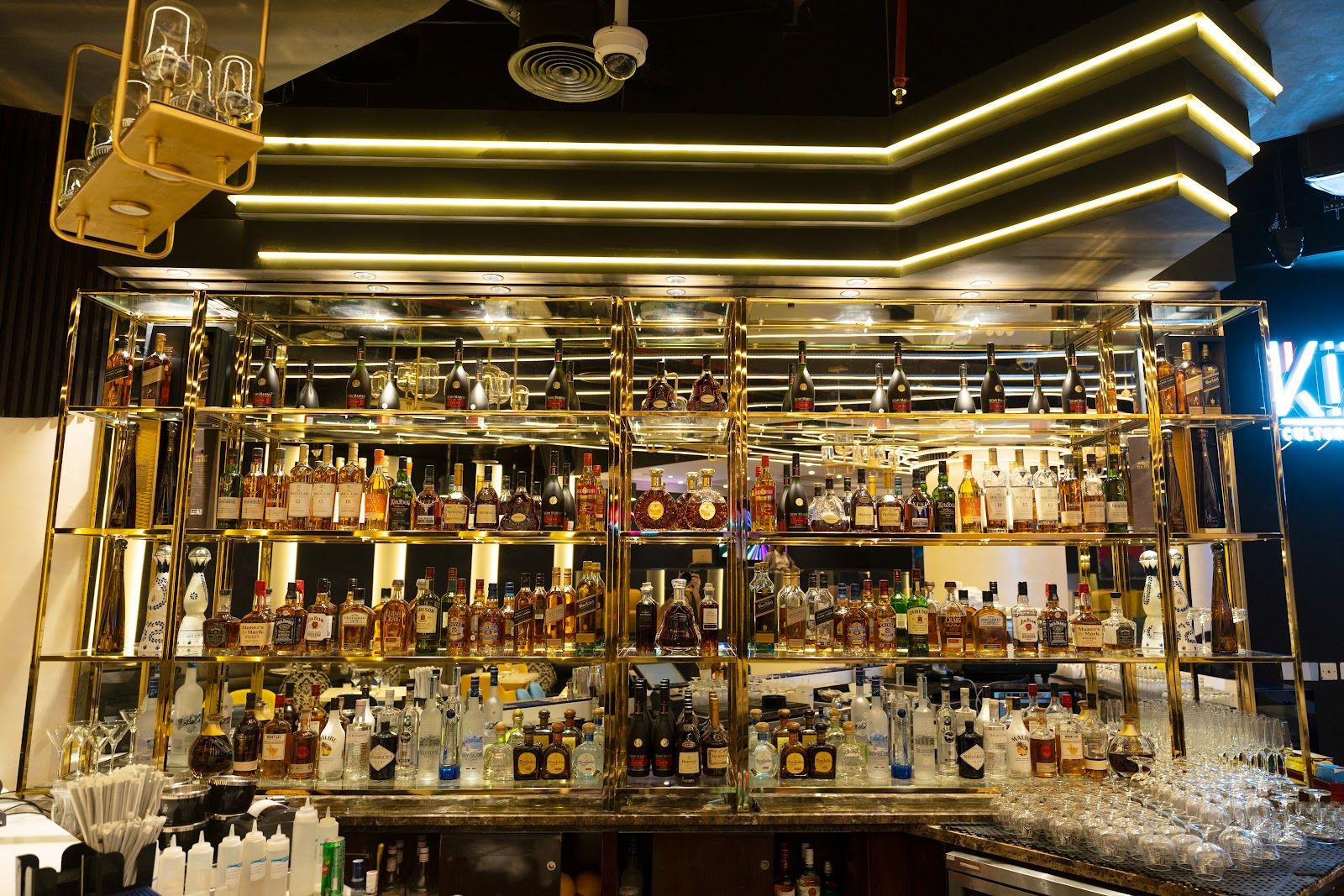
KIZA Restaurant & Lounge
KIZA has been a Dubai institution since 2012, long before West African cuisine got its mainstream moment. The concept is Pan-African — drawing from Nigeria, Ghana, East Africa, and beyond — but the kitchen's heart beats Nigerian. Operating as both a restaurant and a lounge, KIZA transforms after 10pm into one of Dubai's most energetic African nightlife venues, with live DJs and a crowd that knows how to dance.
The food is excellent and the business lunch is genuinely one of DIFC's better value propositions at around AED 89 for two courses. The suya platter is comprehensive — multiple cuts of meat, all rubbed in the signature spice blend, served with fresh tomatoes, red onion, and kuli-kuli (groundnut cake) for sprinkling. The grilled lobster with jollof rice is a showstopper for expense-account occasions. Cocktails are creative with African-inspired flavours — palm wine mojito, hibiscus gimlet, zobo punch.
Suya Platter (AED 90) · Business Lunch Set Menu (AED 89) · Grilled Lobster with Jollof Rice (AED 195) · Palm Wine Mojito (AED 55)
Our take: Go for a business lunch, stay for the party. KIZA is Dubai's original Pan-African fine dining experience and still one of its best. Book the lounge tables for evening dining.
Biggy African Restaurant
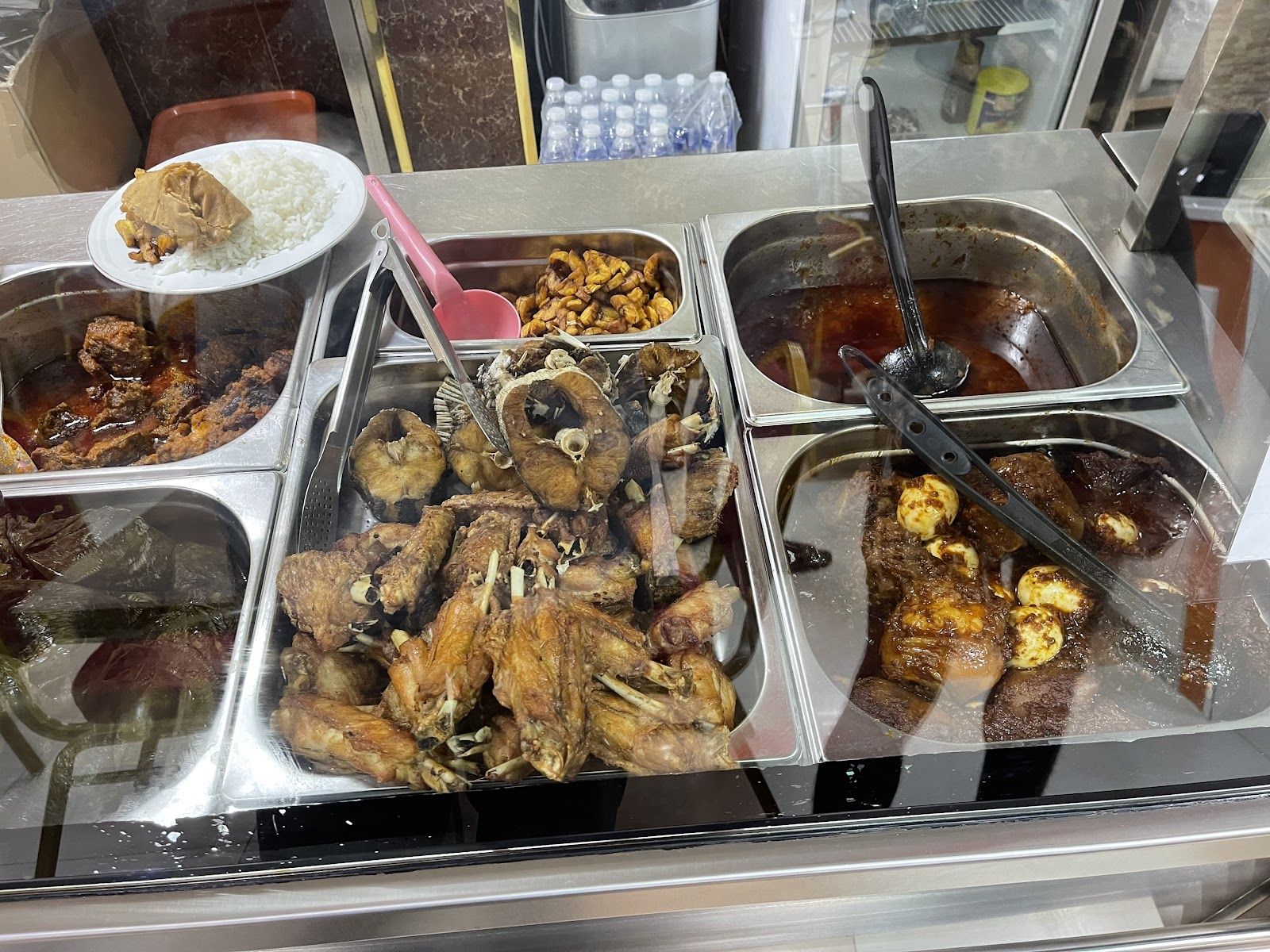
Biggy is Karama's neighbourhood Nigerian restaurant, and it wears that identity proudly. The walls are covered in African murals, wooden carvings hang from the ceiling, and Afrobeat plays at a volume that encourages table conversation without drowning it out. It specialises in authentic West African flavours, particularly Nigerian, with a casual setting that feels more like eating in a Lagos home than a restaurant.
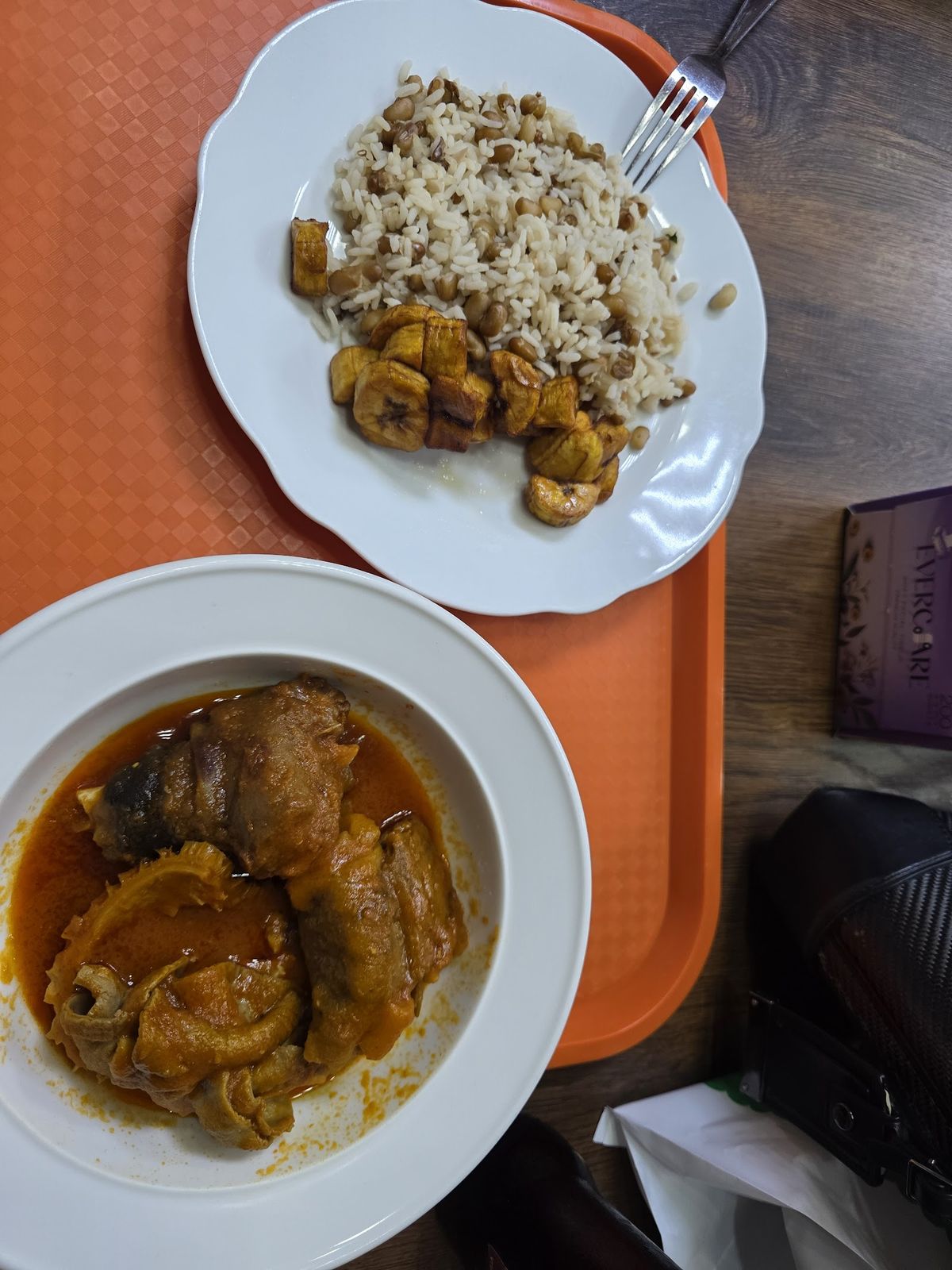
The egusi soup here is made with the proper technique — toasting the melon seeds first before grinding, then frying in palm oil with bitter leaf and stockfish. It arrives with a choice of swallow: eba, pounded yam, amala, or semo. The goat meat pepper soup is properly fiery, herbal, and restorative. Weekend afternoons bring extended families who settle in for two or three hours and multiple rounds — the truest sign of a restaurant that has earned its community's trust.
Egusi Soup with Pounded Yam (AED 70) · Goat Meat Pepper Soup (AED 65) · Fried Plantain with Beans (AED 35) · Chin Chin Snack (AED 15)
Our take: Biggy earns its reputation through consistency and soul. Not the fanciest room in Karama, but the food is made with care and the welcome is warm. Ideal for families and groups.
Africana Home Restaurant
Established in 1993, Africana Home Restaurant in Deira is the oldest continuously operating African restaurant in Dubai. More than three decades of serving the West African community in the city gives it a weight and authenticity that newer competitors simply cannot replicate. The dining room is unpretentious — fluorescent lighting, laminated menus, communal tables — but nobody comes here for the décor.
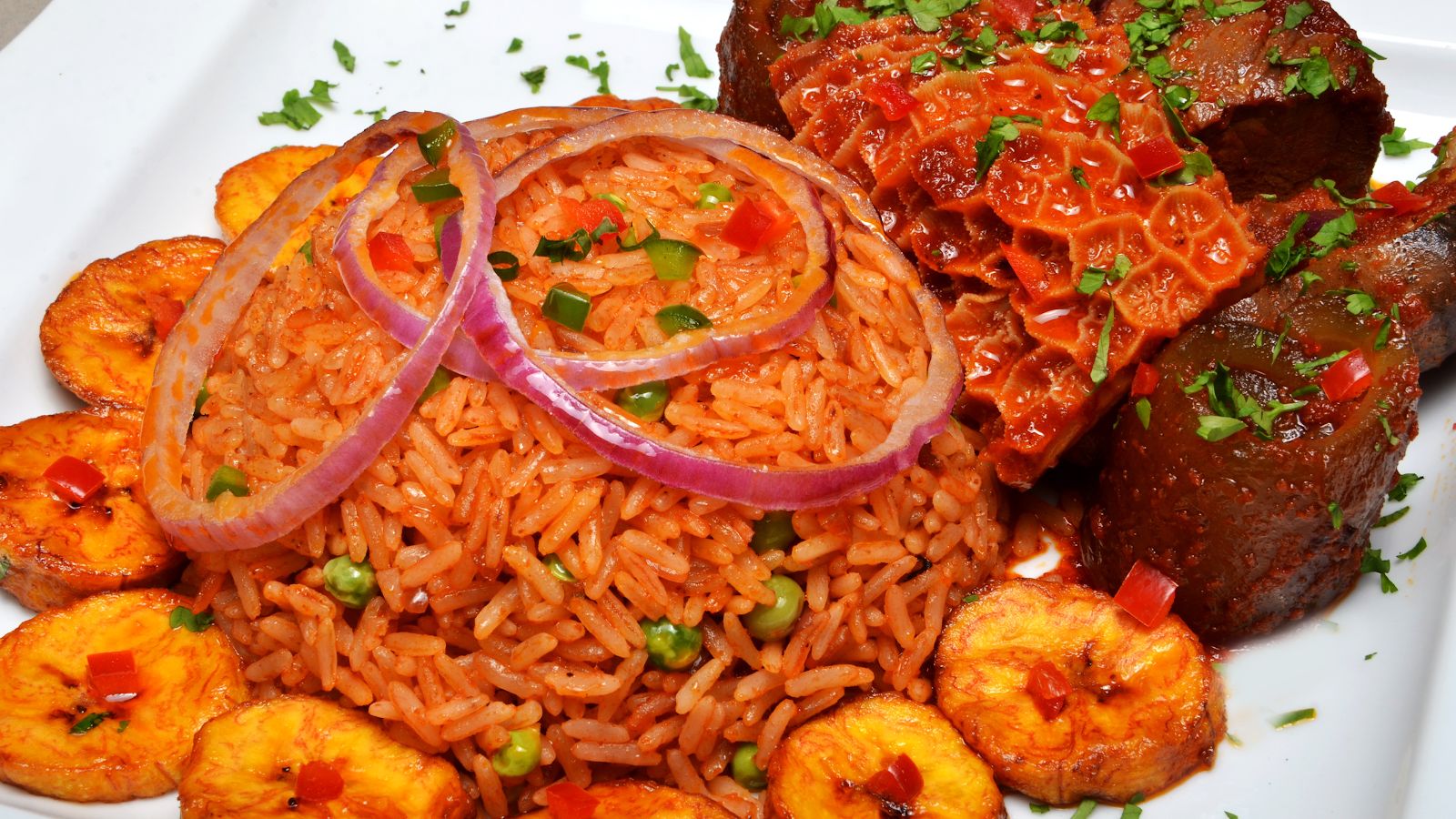
The classic dishes are made as they have always been made: goat meat rice with cow tail, assorted meat stew with fufu, pepper soup served in a deep clay-coloured bowl. The cow tail stew is something you won't find anywhere else in Dubai — slow-braised until the collagen has dissolved into the sauce, rich, sticky, and deeply satisfying. The prices remain the most reasonable of any Nigerian restaurant in the city. Go at lunch when the kitchen is at its freshest.
Goat Meat Rice (AED 45) · Cow Tail Stew with Fufu (AED 55) · Assorted Meat Pepper Soup (AED 50) · Dodo Fried Plantain (AED 20)
Our take: An institution. Not the place for a date night, but the food is honest, prices are the lowest in the city, and eating here feels like a direct connection to Dubai's West African history.
Also Worth Visiting
Jollof House Dubai (Al Barsha): A dedicated jollof rice specialist with rotating variations — coconut jollof, party jollof, smoky jollof. Casual and quick, with prices from AED 45. Perfect for solo lunches and takeaway.
Pass D Jollof (JVC): A home-cooking-style spot in Jumeirah Village Circle, popular with the Nigerian community for weekend lunch. The banga soup with starch (a Delta State specialty) is rarely found elsewhere in Dubai.
Lasgidi Café (Dubai Silicon Oasis): A Lagos-style café concept serving suya wraps, jollof spaghetti, and Nigerian small chops for snacking. The palm wine cocktail is a conversation starter. Takeaway friendly, AED 35–75 per person.
What to Order: A Nigerian Menu Guide
For first-timers navigating a Nigerian menu, here is what you need to know. Jollof rice is the safe universal entry point — smoky, tomato-rich, and served with chicken, beef, or fish. Suya is Nigeria's most famous street food snack — grilled spiced beef skewers. Pounded yam with egusi is the full West African experience — the starchy pounded yam is eaten by pulling off a ball, dipping it into the rich soup, and eating in one bite. Pepper soup is intensely spiced and herbal; the goat meat version is considered restorative and slightly medicinal. Fried plantain (dodo) is a side dish that transcends its supporting role — sweet, caramelised, irreplaceable.
For the full deep-dive on each of these dishes, read our Complete Guide to Nigerian Food in Dubai.

Frequently Asked Questions
Which is the best Nigerian restaurant in Dubai overall?
Enish at The H Hotel on Sheikh Zayed Road is Dubai's top Nigerian restaurant for food quality, ambiance, and experience. For everyday value, Chop House in JLT and Biggy in Karama are the most authentic and affordable options.
Do I need to book a table at Enish?
Yes — reservations are strongly recommended for Enish, especially for Thursday and Friday evenings when the lounge element draws large groups. Book via their website or call ahead. Lunch on weekdays is usually walk-in friendly.
Is Nigerian food halal in Dubai?
All Nigerian restaurants listed here serve halal-certified meat, as required by Dubai's food regulations. Nigeria's Muslim-majority north has always prepared suya and grilled meats as halal, so the cuisine adapts naturally to Dubai dining.
Where can I eat jollof rice in Dubai?
Jollof rice is served at virtually every Nigerian restaurant in Dubai. Our top picks for jollof specifically: Enish (seafood jollof), Chop House (chicken or beef jollof), and Jollof House Dubai (the dedicated specialist).