Ghana's food culture does not get the international attention it deserves. While Nigerian cuisine has broken through into the global mainstream, Ghanaian food — with its waakye stalls serving elaborate toppings at dawn, its kelewele vendors working the night market corners, and its profound tradition of palm nut and groundnut soups — remains a discovery waiting to happen. In Dubai, a growing Ghanaian community and a handful of restaurants and pan-African spots are making that discovery possible. This is your complete guide.
🇬🇭 Ghanaian Food in Dubai — Full Guide Series
This page — cuisine, culture, restaurants, all dishes
Ranked guide to every Ghanaian dining spot
Ghana's iconic rice and beans dish — where to find it
Spiced fried plantain — Ghana's greatest street food snack
The definitive Dubai taste test — which wins?
Ghana's Food Culture: What You Need to Know
Ghanaian cuisine is built on a foundation of starchy staples and rich, slow-cooked soups and stews. The starchy base comes in many forms: fufu (pounded cassava and plantain), banku (fermented corn and cassava dough), kenkey (steamed fermented corn dough wrapped in leaves), omotuo (rice balls), and tuo zaafi (TZ — a northern Ghanaian millet porridge). Each is designed to be eaten by hand, pulled apart, rolled into a ball, and dipped into soup.
The soups and stews are the soul of the cuisine: palm nut soup (rich, red, intensely aromatic), groundnut soup (peanut-based, slightly sweet and deep), light soup (clear broth with tomatoes and aromatics), and kontomire stew (made with cocoyam leaves, similar to spinach). Fish — particularly whole grilled tilapia and smoked herrings — appears throughout the cuisine in a way that reflects Ghana's long Atlantic coastline.
Street food is equally important. Ghana's street food culture is one of the most developed in West Africa: waakye sold from dawn at neighbourhood stalls, kelewele at night market corners, bofrot (Ghanaian doughnuts) for breakfast, and roasted plantain (atta) with peanuts as the universal afternoon snack.
The Essential Ghanaian Dishes
Waakye — Rice and Beans with Everything
Waakye is one of the most beloved dishes in Ghana — a combination of rice and beans (cowpeas) cooked together with dried sorghum or millet leaves, which turn the rice a distinctive earthy reddish-brown colour. But it is the toppings and accompaniments that make waakye an event rather than just a meal.
A full waakye plate includes: the rice and beans base, tomato stew, boiled egg, fried fish or boiled chicken, spaghetti (always included, a Ghanaian waakye tradition that surprises newcomers), fried plantain, gari (dried cassava), and crucially, shito — Ghana's extraordinary black pepper sauce made from dried chili, smoked herrings, ginger, and aromatics, with a deep, complex, slightly smoky heat. Shito alone is worth the entire journey into Ghanaian cuisine.
In Dubai, waakye is available at pan-African restaurants on request. Finding an authentic full-toppings waakye requires a community connection or a Ghanaian home cook — but the dish is achievable at dedicated spots in Karama.
Price in Dubai: AED 45–75 · Best at: Biggy African Restaurant (Karama), pan-African spots
Kelewele — Spiced Fried Plantain
If Nigerian cuisine's street food ambassador is suya, Ghana's is kelewele. Ripe plantain is cubed, marinated in a blend of ginger, cayenne pepper, garlic, and anise (sometimes cloves and nutmeg), then deep-fried until the outside is crispy and caramelised while the inside stays soft and sweet. The contrast of the sweet, starchy plantain against the heat of the spice rub is irresistible.
Kelewele is typically eaten as a snack or street food, served in a cone of paper or a small bowl, with a handful of roasted peanuts on the side. The peanuts are not a garnish — their fat and protein balance the sugar and spice of the plantain. Eat them together.
In Dubai, kelewele is available at Nigerian and African restaurants that serve fried plantain — ask for it spiced in the Ghanaian style. The full authentic version with the proper spice blend is available at Ghanaian community events and a handful of African restaurants in Karama.
Price in Dubai: AED 25–40 · Best at: African restaurants in Karama; ask for "spiced fried plantain"
The Full Ghanaian Dish Guide
Ghana's Essential Dishes — Ordered by Category
Fufu with Palm Nut Soup
Pounded cassava and plantain dough, smooth and sticky, served with palm nut soup — rich, deep red, intensely aromatic from the palm fruit, crayfish, and dried herrings. The flagship dish of Ghanaian cuisine. Eaten by hand: pull, dip, swallow.
Banku with Grilled Tilapia
Fermented corn and cassava dough, slightly tangy and dense, served with a whole grilled tilapia and fresh tomato-pepper sauce (shitor). One of the most commonly ordered Ghanaian meals. The fermentation in the banku gives it a complexity that unflavoured fufu lacks.
Kenkey with Fried Fish
Steamed fermented corn dough wrapped in corn husks or banana leaves — slightly sourer than banku, more dense. Served with fried fish, pepper sauce, and sometimes fried plantain. A distinctly Ga (southern Ghanaian) dish.
Groundnut Soup with Rice or Fufu
Peanut-based soup with chicken, beef, or fish — slightly sweet, rich, deeply nourishing. More similar to West African groundnut stew than Nigerian egusi, with a texture that ranges from thin and brothy to thick and stew-like depending on the region.
Omo Tuo (Rice Balls) with Soup
Soft, glutinous rice balls served with palm nut soup or groundnut soup. More common at weekday lunches and in home cooking than at restaurants. A deeply comforting, humble dish.
Red Red (Bean Stew with Fried Plantain)
Black-eyed peas cooked in palm oil with tomatoes, onion, and chili — named for the double red of the beans and the oil. Served with fried ripe plantain. A completely satisfying vegetarian (or near-vegetarian) meal in its own right.
Kontomire Stew (Palava Sauce)
Ghanaian stew made from cocoyam leaves (similar to spinach or taro leaves), cooked with palm oil, smoked herrings, and sometimes egusi seeds. Rich, earthy, slightly bitter. Eaten with boiled yam, plantain, or rice.
Shito (Black Pepper Sauce)
Not a dish but a condiment so important it deserves its own listing. Shito is Ghana's defining condiment — a slow-cooked blend of dried chili peppers, smoked fish, ginger, garlic, onion, and tomatoes, reduced to a dark, intensely complex paste. Spreads on everything, improves everything.
Ghanaian Jollof Rice — Dubai's Other Jollof
The jollof rice debate is one of West Africa's great cultural traditions, and Ghana and Nigeria are the primary combatants. Ghanaian jollof is typically made with basmati or jasmine rice (more aromatic than the Nigerian long-grain preference), a tomato-pepper base that is slightly lighter and less reduced than the Nigerian version, and a spice profile that includes more nutmeg and other warm spices. The result is more fragrant, slightly less smoky, and often more accessible for newcomers to West African food.
In Dubai, Ghanaian jollof is less widely available than Nigerian jollof, but can be found at pan-African spots. For the full comparison, we have a dedicated deep-dive at Ghanaian Jollof vs Nigerian Jollof in Dubai.
Where to Eat Ghanaian Food in Dubai
Dedicated Ghanaian restaurants in Dubai are limited compared to Nigerian spots, reflecting the relative sizes of the two communities. However, the Ghanaian community in Dubai is growing, and several restaurants and community-focused spots are meeting the demand.
Pan-African Restaurants (Most Accessible)
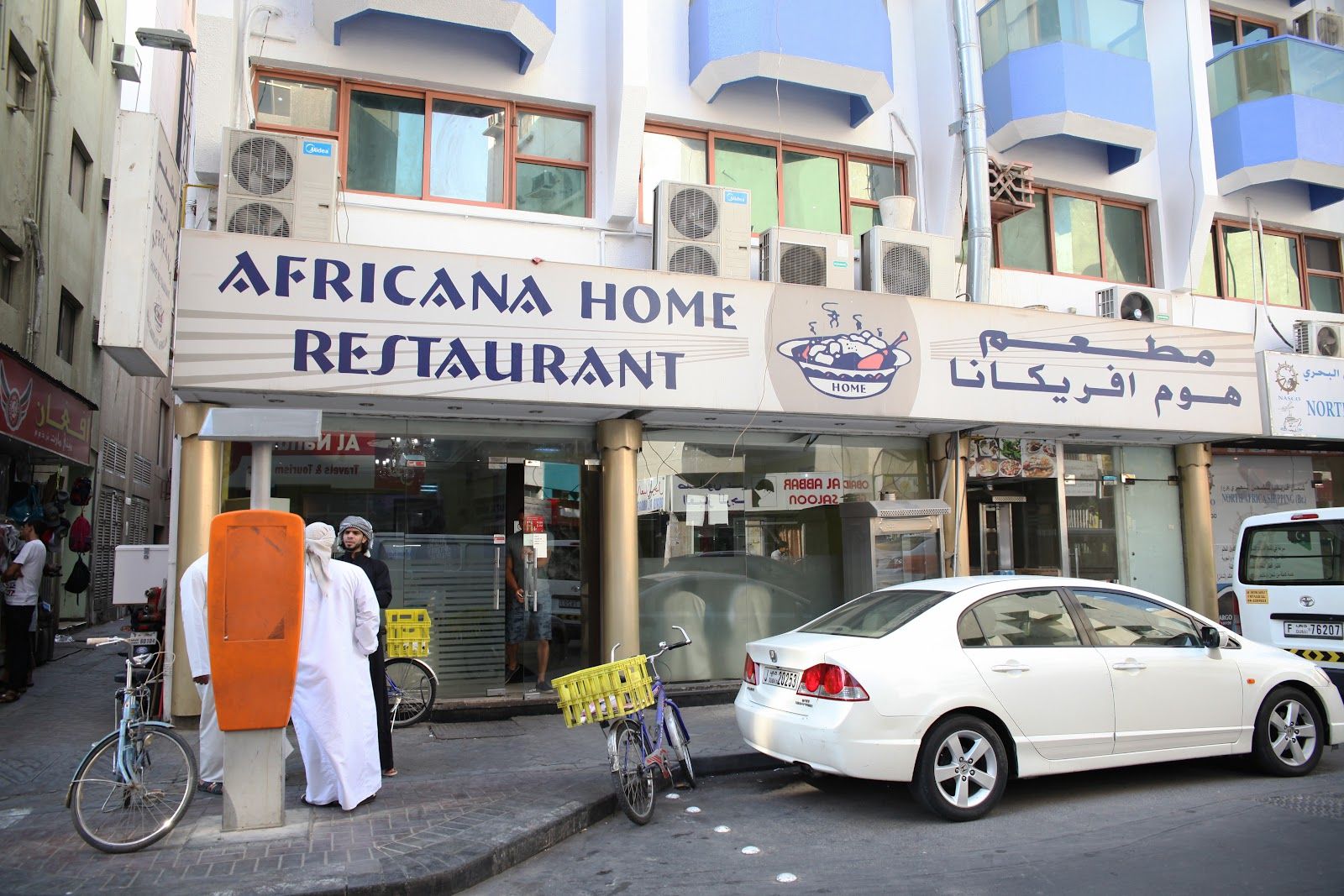
KIZA (DIFC), Biggy African Restaurant (Karama), and Africana Home (Deira) all serve Ghanaian-influenced dishes alongside Nigerian and pan-African options. Waakye is available on request at Biggy. KIZA serves Ghanaian jollof and plantain-forward dishes on their pan-African menu.
Karama & Deira — Community Spots
The most authentic Ghanaian food in Dubai tends to emerge from community-oriented restaurants in Karama and Deira, where the West African population is concentrated. Ask around in these neighbourhoods for the current best Ghanaian home-cooking spots — these change and evolve rapidly.
Weekend Community Events
The Ghanaian community in Dubai hosts cultural events and food fairs, particularly around Ghana's Independence Day (6 March) and at community centres. These events are often where the most authentic Ghanaian cooking in the city surfaces — waakye from proper waakye sellers, kelewele from street-food style vendors, and palm nut soup made from scratch.
Ghanaian Food and Neighbouring Cuisines
Ghanaian food has close cousins across West Africa. The fufu tradition is shared with Nigeria (though Ghanaian fufu uses cassava and plantain rather than yam). The jollof tradition extends across Nigeria, Ghana, Senegal, and beyond. The use of fermented ingredients — locust beans (dawadawa), fermented fish (momone), smoked herrings — appears throughout the region. Understanding one West African cuisine is a doorway into the rest.
For the broader picture, read our West African Food in Dubai guide, which covers Nigerian, Ghanaian, and pan-African dining across the city.
Ghanaian Food Glossary
- Fufu: Pounded cassava and plantain dough — smooth, sticky, elastic. Eaten with soup.
- Banku: Fermented corn and cassava dough, slightly tangy. Served with grilled fish.
- Kenkey: Steamed fermented corn dough wrapped in corn husks. A Ga staple.
- Waakye: Rice and beans cooked with sorghum leaves; served with extensive toppings including shito.
- Kelewele: Spiced fried plantain cubes — ginger, chili, garlic. Ghana's street food icon.
- Shito: Dark, intensely complex chili and fish paste condiment. Ghana's essential condiment.
- Red Red: Black-eyed pea stew with palm oil and fried plantain. A complete meal.
- Bofrot: Ghanaian doughnuts, slightly crispy outside, fluffy inside. Breakfast street food.
- Kontomire: Ghanaian spinach — cocoyam leaves cooked with palm oil and fish.
- Omotuo: Soft rice balls served with soup. Comfort food at its most elemental.

Ghanaian Food in Dubai — FAQ
Is Ghanaian food available in Dubai?
Yes — Ghanaian food is available at pan-African restaurants including KIZA (DIFC), Biggy African Restaurant (Karama), and community spots in Deira and Karama. Dedicated Ghanaian restaurants are limited but growing as the community expands. The best authentic Ghanaian food often comes from community events and weekend cooking spots.
How does Ghanaian food differ from Nigerian food?
Ghanaian cuisine is slightly gentler in heat than Nigerian, with more emphasis on fermented doughs (banku, kenkey) as starchy bases rather than pounded yam. Ghanaian jollof uses basmati rice and is more aromatic; Nigerian jollof is smokier. Both cuisines use palm oil, plantain, and fish extensively — but the techniques and specific dishes differ meaningfully.
What is the most famous Ghanaian dish?
Internationally, waakye and jollof rice are Ghana's most recognised dishes. Within Ghana, fufu with palm nut soup and banku with grilled tilapia are perhaps the most deeply embedded in daily life. Kelewele is the nation's most beloved street food snack.
What is shito?
Shito is Ghana's defining condiment — a slow-cooked, intensely flavoured paste of dried chili peppers, smoked fish, ginger, garlic, and tomatoes. It is dark reddish-black, smoky, spicy, and deeply complex. Ghanaians use it on everything. Once you try it, you will understand why.
Is Ghanaian food halal?
Ghanaian food is generally halal — the country has a significant Muslim population, particularly in the north, and Muslim-owned restaurants prepare food in line with halal requirements. In Dubai, all African restaurants serve halal-certified meat, and fish-based dishes are universally appropriate.