Emirati Food in Dubai: The Definitive Guide
Here is a paradox at the heart of Dubai dining: you are in one of the world's great food cities, built on a coastline that has traded spices for centuries, yet finding genuinely Emirati food requires knowing where to look. Most visitors eat Lebanese, Indian, Japanese — and all of it is superb. But the local cuisine, shaped by the Gulf's pearling traditions, Bedouin hospitality, and ancient spice routes, deserves its own chapter.
Emirati food is built on slow cooking, aromatic spices, and the natural bounty of the sea and desert. Machboos (slow-cooked spiced rice with tender lamb or hammour fish), harees (a creamy slow-cooked wheat and meat porridge that takes all day to make), and margoog (a rich meat and vegetable stew) are the cornerstones. For breakfast, chebab (Emirati-spiced pancakes) with date syrup and balaleet (sweet saffron vermicelli topped with a fried egg) will reset your understanding of what the morning meal can be.
We have eaten our way through every Emirati restaurant in Dubai — from atmospheric heritage houses in Al Fahidi to modern khaleeji cafes in JBR. Here is where to find the real thing.
Best Emirati Restaurants in Dubai
Ranked by food quality, authenticity, atmosphere and value. Updated March 2026.
Al Fanar is the essential Emirati restaurant in Dubai — and it is not close. Designed to evoke 1960s Dubai, the interior features old photographs, antique radios, and the kind of warm lantern light that makes you want to stay for hours. The machboos here — slow-cooked rice with saffron-stained lamb, dried lemon, and toasted onions — is the benchmark by which all others are measured. The kitchen takes its time, and the results show it.
The Festival City location is the most atmospheric, overlooking the creek with views of the Dubai skyline. Come for weekend lunch when the place fills with Emirati families and the kitchen is at its best. The luqaimat (fried dough balls with date syrup) are the only acceptable way to end the meal.
Must-Order Dishes
💡 Reserve a creek-view table at least 2 days ahead on weekends. The kitchen gets stretched during Ramadan — book dinner for 8:30pm when the rush subsides.
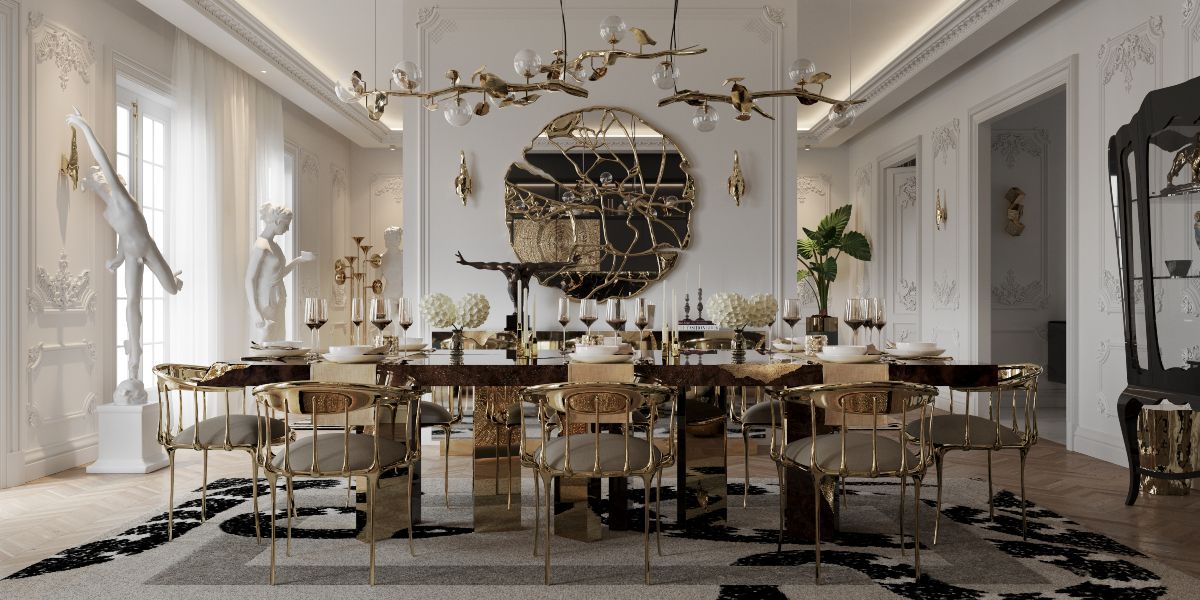
Traditional Emirati fare — fragrant, slow-cooked, and built for sharing
Logma does something difficult: it makes traditional Emirati food feel completely contemporary without losing its soul. The concept — modern khaleeji comfort food — has resonated deeply with young Emiratis and expats alike. Chebab pancakes come with three types of cream alongside the obligatory date syrup. The balaleet is silky, sweetly perfumed with saffron and rose water. The chicken shawarma paratha is a cross-cultural triumph that should not work but absolutely does.
The Box Park Jumeirah original, with its Dubai Fountain views, is the most Instagrammable Emirati dining experience in the city. Weekday breakfasts (7am–11am) are supremely peaceful. Weekend brunches require fortitude — the queue forms by 9:30am.
Must-Order Dishes
💡 The JBR branch is better for dinner (Fountain views are magnificent at night). For breakfast, the Box Park original is quieter and has better service. Expect a 20-minute wait on Friday mornings — it is worth it.

Tucked into the narrow lanes of Al Fahidi — Dubai's oldest surviving neighbourhood — the Arabian Tea House is the most atmospheric place in the city to eat Emirati food. Turquoise benches, white rattan chairs, bougainvillea tumbling over ancient wind-tower walls. The kitchen delivers traditional breakfast and lunch dishes that have not changed in years, because they do not need to.
The full Emirati breakfast plate — rgag bread, balaleet, chebab pancakes, honey, cream, fresh juice — at AED 85 is one of Dubai's great value meals. Come on a weekday morning, pair it with a pot of karak tea, and plan to stay longer than you intended.
Must-Order Dishes
💡 Visit between 8am–10:30am on a weekday for the most peaceful experience. The courtyard fills up rapidly after 11am with tour groups. Go in winter (Nov–Mar) when the outdoor seating is sublime.
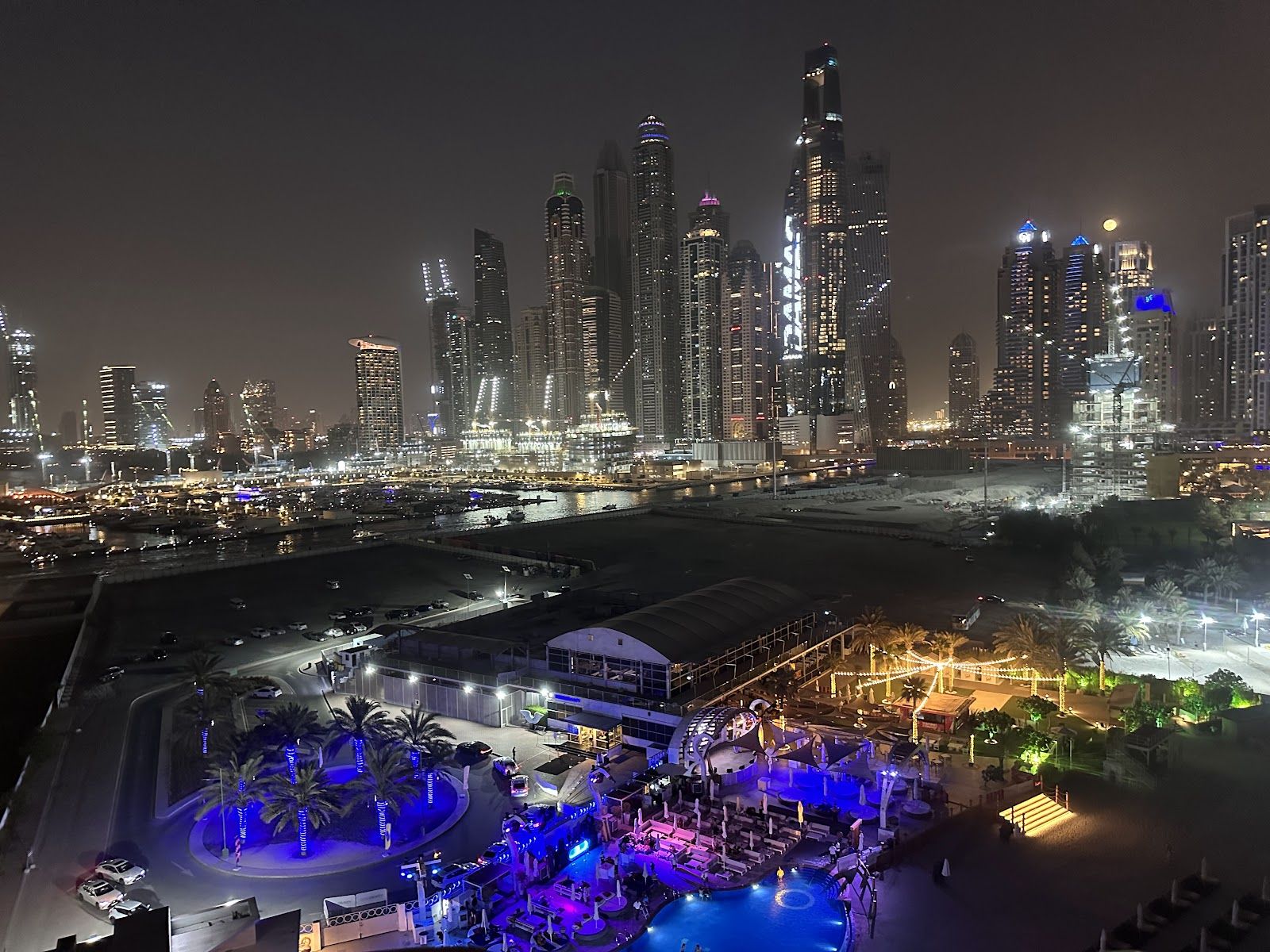
Emirati breakfast — chebab pancakes, balaleet, and date syrup are the holy trinity
Local House sits in the heart of old Dubai — the Deira Creek area that shaped this city long before the skyscrapers arrived. The restaurant embraces its heritage setting with exposed brick walls, traditional Emirati artefacts, and a menu that reads like a cultural history lesson. The margoog (slow-cooked lamb and vegetable stew ladled over thin bread) is the most comforting dish in the city on a cool winter evening.
Must-Order Dishes
💡 This is a walk-in spot — no reservations. Come for lunch (12:30–2:30pm) when the food is freshest. Excellent for solo diners eating at the bar.
Siraj is where Emirati cuisine grows up. Adjacent to the Dubai Frame, this elevated restaurant turns traditional dishes into considered fine dining — without the clinical coldness that often accompanies the genre. The 7-course Emirati tasting menu (AED 395 per person) is genuinely extraordinary: a smoked harees amuse-bouche, a deconstructed machboos main, a date and saffron dessert that manages to be both deeply nostalgic and modern.
Must-Order Dishes
💡 Book the tasting menu experience at least a week ahead. The private dining room (seats 8) is ideal for corporate entertaining with Emirati counterparts — cultural cachet is significant.
Essential Emirati Dishes: What to Order
Machboos (مجبوس)
The national dish. Slow-cooked spiced rice with lamb, fish or chicken, dried black lemon (loomi), saffron, and toasted onions. Every family has their own recipe. AED 45–75.
Harees (هريس)
Slow-cooked wheat and lamb porridge — sometimes cooked for 10–12 hours. Silky, smoky, deeply savoury. Served with clarified butter (samn). Essential during Ramadan. AED 40–65.
Balaleet (بلاليط)
Sweet saffron-and-rose-water vermicelli topped with a fried egg. Breakfast dish that sounds strange and tastes brilliant. The sweet-savoury contrast is uniquely Emirati. AED 35–55.
Luqaimat (لقيمات)
Crispy fried dough balls drenched in date syrup or honey. Street food royalty. The perfect Emirati dessert. Best eaten fresh from the fryer. AED 22–35 per portion.
Chebab (چبّاب)
Emirati pancakes spiced with cardamom and saffron. Lighter and more fragrant than Western pancakes. Served with date syrup, cream cheese, and honey. The ultimate breakfast. AED 38–50.
Karak Tea (كرك)
Strongly brewed tea with condensed milk, cardamom, and saffron. Not Emirati in origin (it comes from India via the Gulf) but now entirely claimed. The city's unofficial beverage. AED 5–20.
Where to Eat Emirati Food by Dubai Area
Al Fahidi / Bur Dubai
Best for heritage atmosphere — Arabian Tea House, Local House
Jumeirah / Box Park
Best for modern Emirati cafes — Logma, Smashi
Dubai Festival City
Best for sit-down dining — Al Fanar (creek views)
Zabeel / Dubai Frame
Best for fine dining Emirati — Siraj tasting menus